
Articles on our range and the market.
Background, sourcing tips and product stories for wholesalers, specialty stores and retailers working with West African and Surinamese products.
 ·12 min read
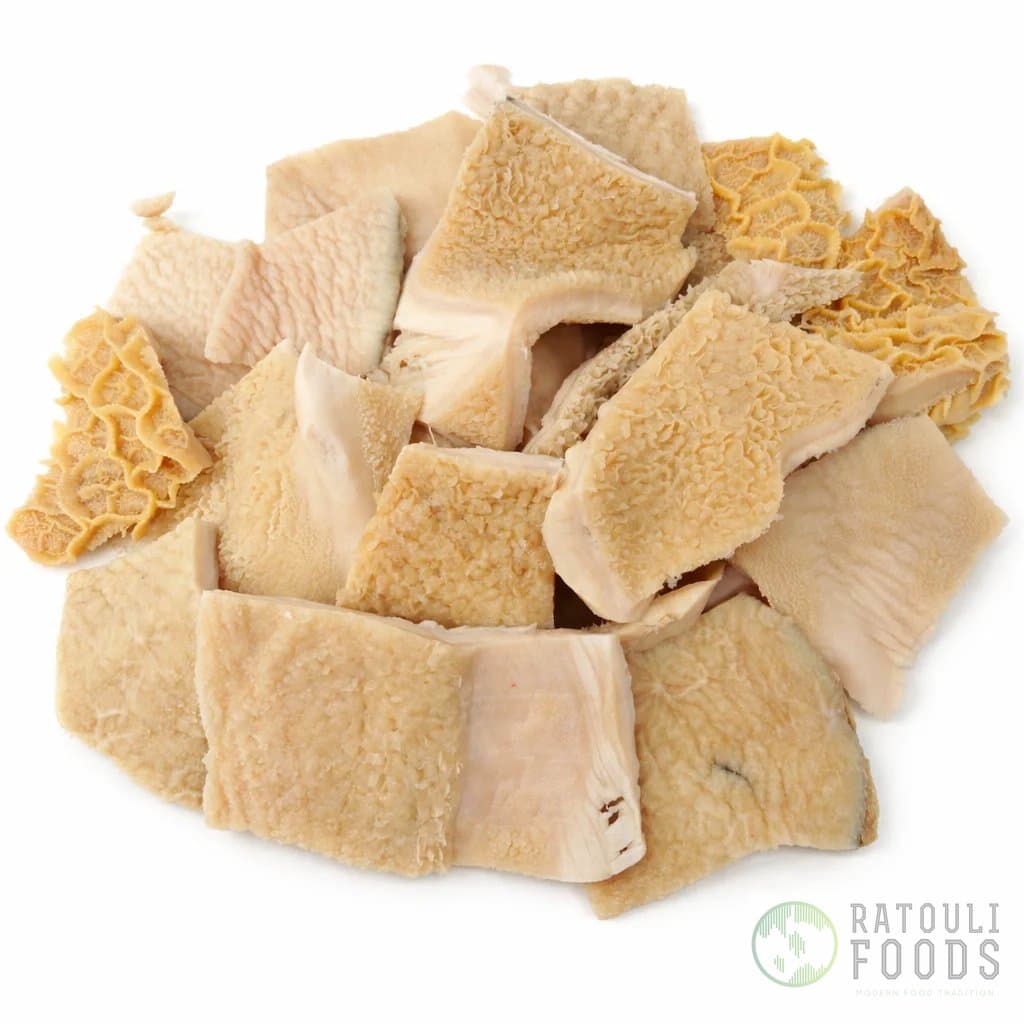
Shaki (Beef Tripe): The Complete Guide for Cooks and Buyers
Shaki is beef tripe, the muscular lining of the cow's stomach. This guide covers what shaki is, the four kinds of tripe, the Yoruba subtypes, the dishes it carries, how to clean and cook it, its nutrition, storage, and how stores and distributors source it frozen at scale.
Read more- ·6 min read
How to clean shaki properly (no bleach) before cooking
A plain, step-by-step guide to cleaning shaki (beef tripe) at home without bleach. Rock salt and lime scrub, scraping the honeycomb folds, a 10 to 15 minute par-boil, and how to get the smell out before it goes into your soup.
Read more - ·6 min read
Shaki pepper soup, Nigerian assorted-meat style
A real recipe for shaki pepper soup the Nigerian assorted-meat way: what to buy, the cleaning step, why shaki goes in the pot first, the spice and crayfish that carry the broth, and how to scale it for a party of fifty.
Read more - ·6 min read
Types of tripe explained: honeycomb, blanket, book and reed
A cow has four stomach chambers, and each one gives a different tripe. Here is how honeycomb, blanket, book and reed compare on texture and cooking, which African dish each suits, and what to stock for a shop.
Read more - ·6 min read
Shaki vs ponmo vs roundabout vs abodi: Nigerian offal cuts compared
Four assorted-meat cuts that shops keep confusing. Shaki is tripe, ponmo is cow skin, roundabout is small intestine, abodi is beef reed. Here is how to tell them apart and label each SKU correctly.
Read more - ·6 min read
Is shaki healthy? Beef tripe nutrition, protein and collagen
A factual look at shaki nutrition: around 18 to 20g of complete protein per 100g, about 35% of it collagen, over a full day of B12, plus selenium and zinc, with less fat than most beef cuts. Why traceability matters as much as the numbers.
Read more - ·6 min read
Shaki Across the Diaspora: Nigerian Pepper Soup, Ghanaian Light Soup, Surinamese Fladder, Caribbean Mondongo
One cut of beef tripe, called shaki in Yoruba and fladder in Suriname, runs through kitchens from Lagos to Accra to Paramaribo. Here is how the diaspora cooks it, what each dish needs, and how we supply it clean, cut and frozen.
Read more - ·6 min read
Smoked, fresh or frozen shaki: which to buy and how to use it
A trader's guide to the three formats of shaki (beef tripe): smoked and dried for soup depth, fresh, and IQF frozen. How to rehydrate, pre-cook and which format a shop should stock.
Read more - ·6 min read
How to store and defrost shaki safely: shelf life for homes and shops
Keep shaki frozen at -18°C, defrost it in the fridge or in cold water, and never leave it on the counter or refreeze it once thawed. A trader's guide to tripe shelf life for home cooks and shops.
Read more - ·7 min read
Shaki margins for retailers: wholesale cost vs shelf price in the EU and UK
A trader's guide to pricing frozen Shaki (beef tripe) for your shelf. Real UK retail bands, pack-size economics, and why scalded-and-cut stock cuts your in-store prep and waste.
Read more - ·6 min read
How to source frozen shaki for your store: cold chain, packs and specs
A practical checklist for African food shops and wholesalers buying frozen shaki. What to check on the cut, the cleaning, the cold chain, pack sizes and EU approval before you commit to a supplier.
Read more 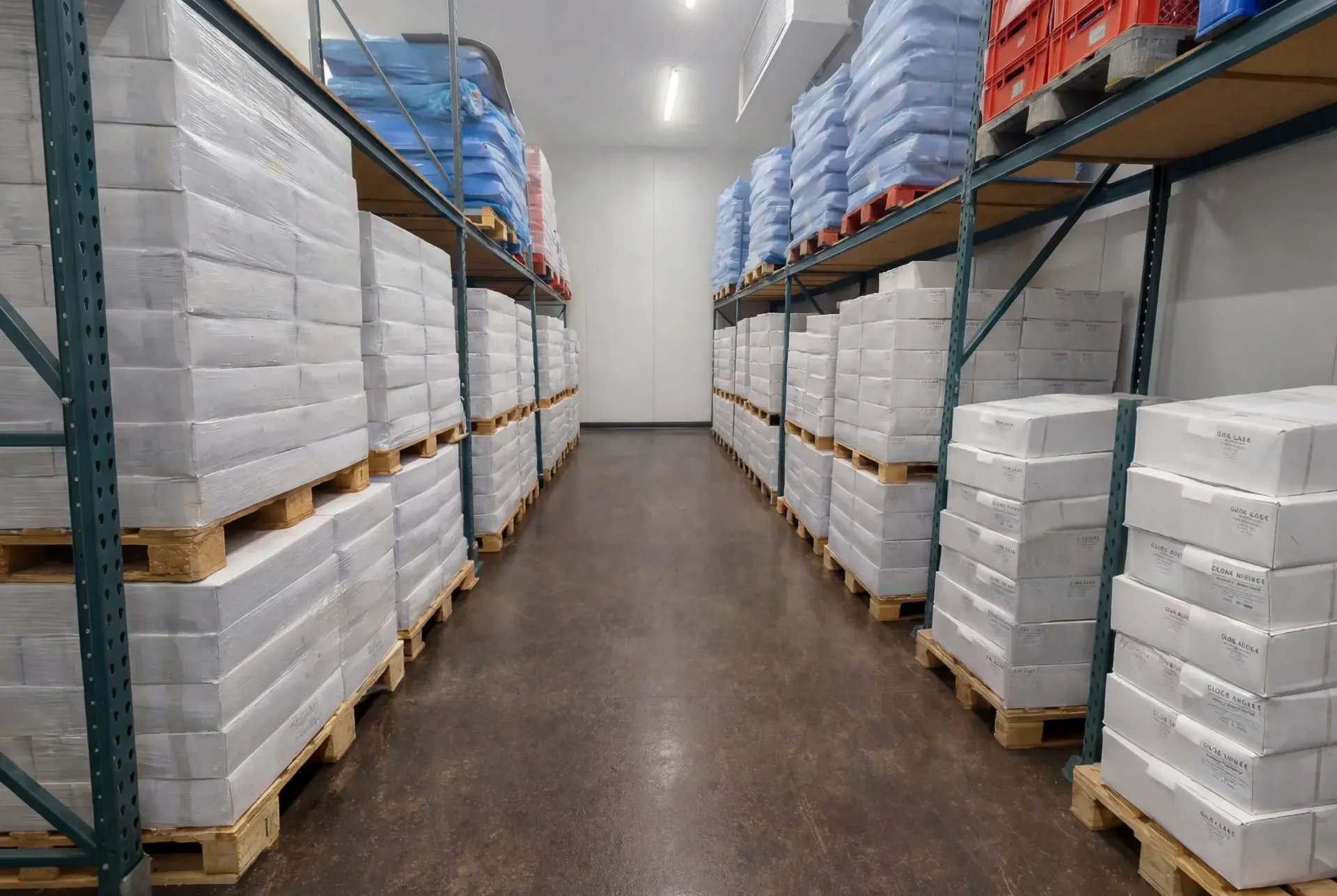 ·6 min read
Why buying from an EU-approved Dutch supplier removes border friction
For shops and distributors in the EU, sourcing frozen offal from an approved establishment in the Netherlands skips the third-country import checks. Here is how it works, and the honest position on UK delivery.
Read more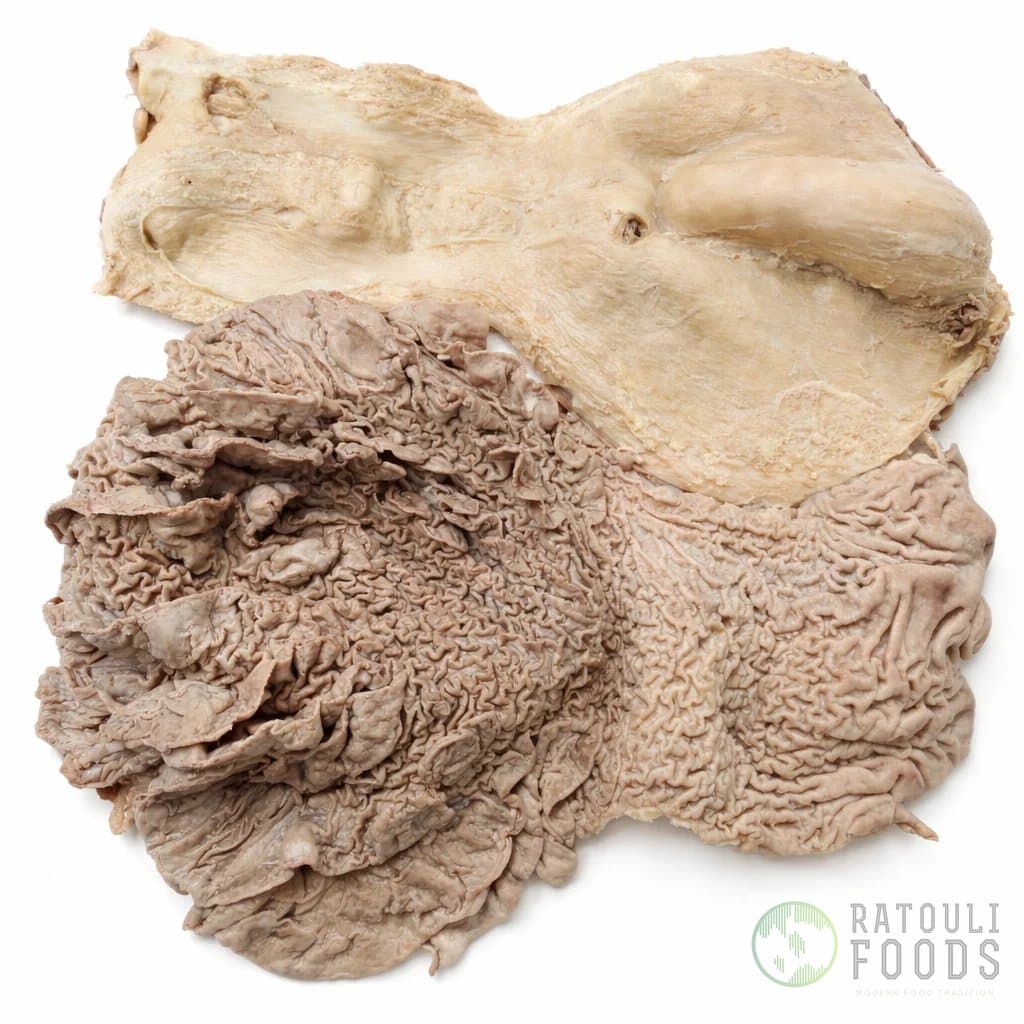 ·12 min read
Abodi (Beef Reed): The Complete Guide for Cooks, Stores and Wholesalers
Abodi is beef reed, the abomasum, the cow's fourth and true stomach. This guide covers all of it: what it is, the trade names it hides behind, how it differs from shaki, the dishes it carries, how to clean and cook it, and how we ship it frozen across Europe.
Read more- ·5 min read
Abodi in English: what part of the cow is it?
Abodi in English is beef reed, the cow's fourth and true stomach, the abomasum. This page covers what the part actually is, why people search for it, the other shop names you will run into, and how it differs from shaki and ponmo.
Read more - ·6 min read
Abodi vs shaki: the real difference (reed vs honeycomb tripe)
Abodi and shaki come from two different stomach chambers. Abodi is beef reed, the abomasum, with a smoother chew. Shaki is honeycomb tripe, the reticulum, chewier and ridged. Here is the clear difference, the dishes each one suits, and how a shop should label both.
Read more - ·6 min read
Beef reed (abodi) nutrition: protein, B12, collagen and what to watch
A straight read on beef reed (abodi) nutrition. The honest numbers on protein, collagen, B12, selenium and zinc, plus the fat and cholesterol you should know before you cook it, from a wholesaler who handles it every week.
Read more - ·6 min read
From lampredotto to rennet: why the cow's fourth stomach is a prized cut
The cow's fourth stomach is the abomasum, the cut West Africans call abodi. The same chamber is Florence's lampredotto, and it is where cheese rennet comes from. Here is the heritage behind reed tripe, and why traders treat it as a cut worth paying for.
Read more - ·7 min read
What Nigerians, Ghanaians and Surinamese call cow offal: abodi, shaki, ponmo, roundabout and more
One cow, many names. Abodi is beef reed, shaki is honeycomb tripe, ponmo is cow skin, roundabout is small intestine. Here is the full offal decoder across Yoruba, Igbo, Hausa, Ghanaian and Surinamese, so your shop labels every SKU right and buyers stop arguing at the counter.
Read more - ·6 min read
How to clean and cook abodi (beef reed): pepper soup, assorted meat and stew
A working trader's guide to abodi, the beef reed. How to clean it with salt and vinegar, par-boil it, then cook it long and slow into pepper soup, assorted meat and stew. Plus what abodi really is and how the trade actually labels it.
Read more - ·6 min read
Stocking abodi in your African food store: pack sizes, pricing and labelling that sells
A wholesale buying guide to stocking abodi (beef reed) in your African food store. Pack sizes, the scalded-cleaned-cut spec, cold chain, reorder by the pallet, and the shelf-label trick that moves more stock: list both Abodi and Beef reed.
Read more - ·6 min read
Importing frozen beef reed (abodi) into the EU and UK: approval numbers, HACCP and cold chain
What a distributor checks before buying frozen abodi by the case. The EU approval number, HACCP and traceability, the cold chain at -18°C, and free circulation inside the EU against the extra UK import step since Brexit.
Read more - ·7 min read
The margin on abodi: why frozen beef reed is a quiet earner for distributors
A distributor's read on the margin in frozen Abodi, the beef reed or abomasum. Real UK retail bands behind the channel, how the two pack sizes work, why scalded-and-cut cuts your accounts' prep and waste, and why a steady reed line reorders next to Shaki.
Read more 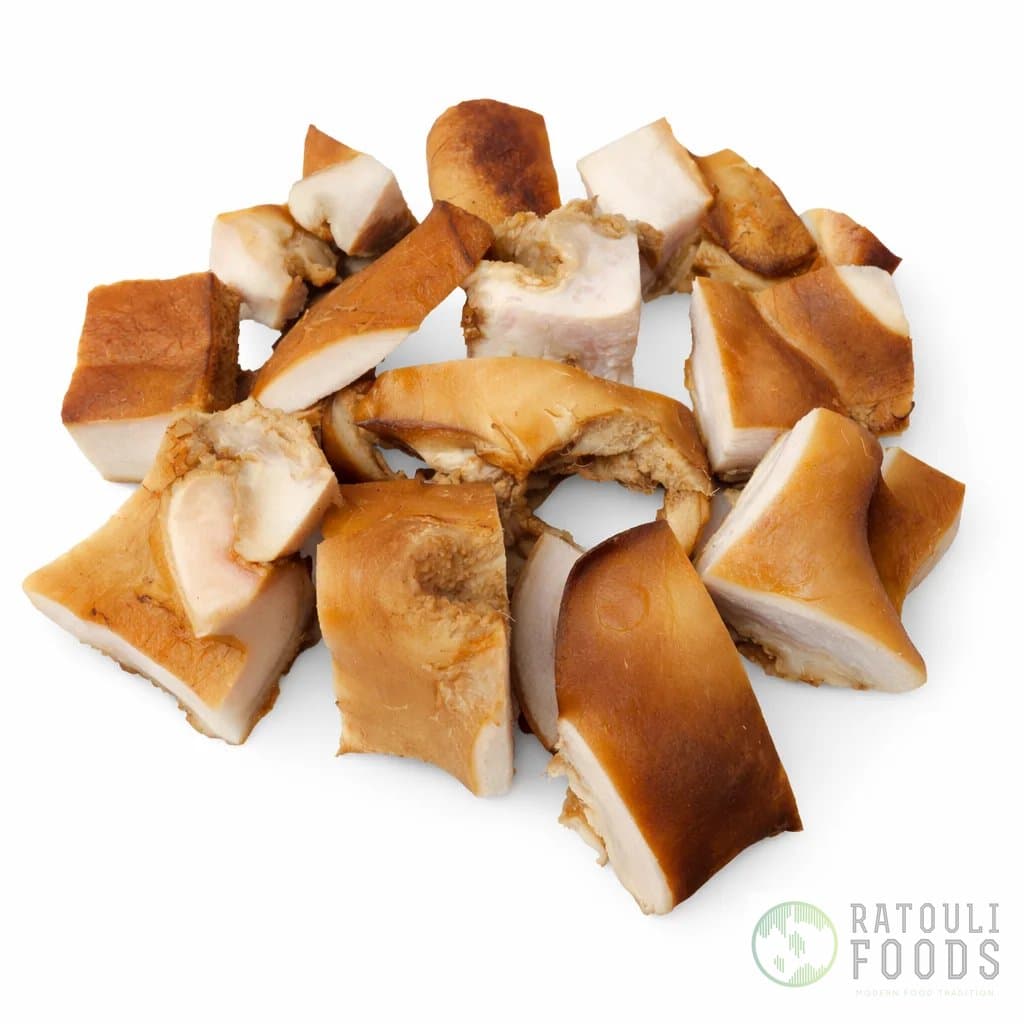 ·12 min read
Ponmo (Kpomo): A Trader's Guide to Cow Skin for Cooks, Stores and Wholesalers
Ponmo, also written kpomo, is edible cow skin. The collagen-rich hide of the cow, eaten once the hair is off. It is not tripe and not intestine. This guide runs through the names it goes by, brown versus white, the dishes it ends up in, how to clean and store it, and how we sell it wholesale.
Read more- ·5 min read
Ponmo (kpomo) in English: what is it?
Ponmo in English is cow skin, also called cowhide or beef skin. Here is what it actually is, the other names people use for it, and why it gets mixed up with shaki and abodi.
Read more - ·6 min read
Ponmo vs shaki vs abodi: cow skin, tripe and reed compared
Three cuts that get mixed up all the time. Ponmo is cow skin. Shaki is honeycomb tripe. Abodi is beef reed. Here is what each one is, how it cooks, and how a shop should label all three so the right customer finds the right product.
Read more - ·6 min read
How to clean and cook ponmo (cow skin)
Ponmo is edible cow skin. Scrape off the soot, rub it with salt, rinse, then boil it tender before it goes into egusi, ofada, pepper soup, or peppered ponmo small chops. Here is the full process from a trader who handles it every week.
Read more 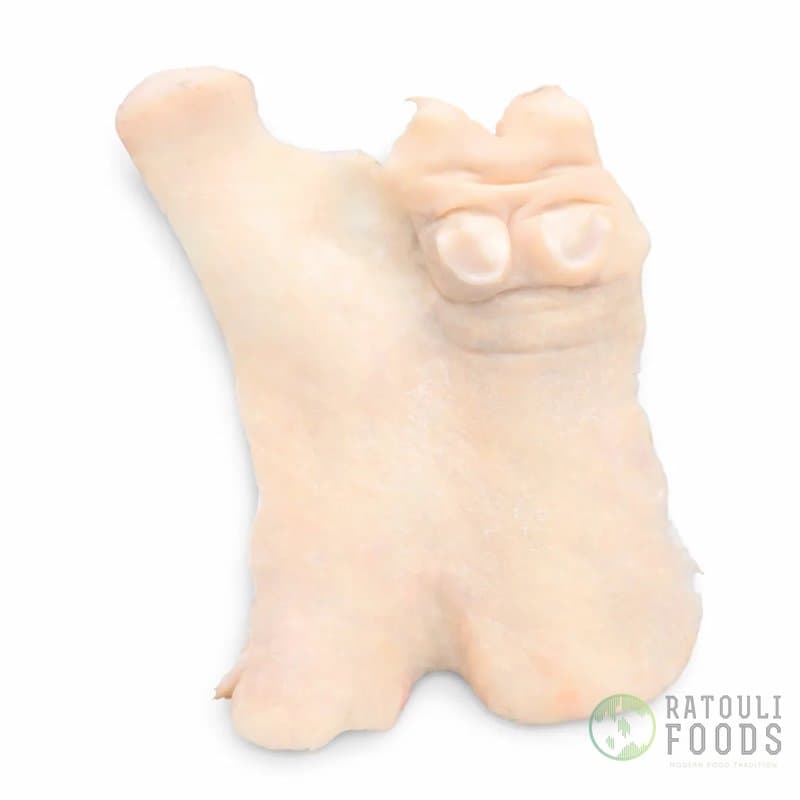 ·5 min read
Brown vs white ponmo: which to buy and stock
Brown ponmo is cow skin singed over flame, so it comes out smoky, darker and firmer. White ponmo is scalded or boiled, so it stays paler, softer and reads as cleaner. Here is how each one is made, who asks for which, and what a shop should keep on the shelf.
Read more- ·6 min read
Is ponmo healthy? Cow skin nutrition, collagen and the facts
A straight look at ponmo nutrition. Cow skin is lean and low in fat, rich in collagen, but it is mostly collagen, so on its own it is not a complete protein. Here is what that means for your plate, and the truth behind the ban claims.
Read more - ·6 min read
What everyone calls ponmo: cow skin names across cultures
Ponmo, kpomo, kanda, wele. One ingredient, dozens of names. Here is the full map across Nigerian, Ghanaian, francophone and EU markets, so you can find it and shops can label it right.
Read more - ·6 min read
The dishes that need ponmo: from egusi to peppered ponmo and Ghanaian wele
Ponmo is cooked cow skin, and it carries half the West-African pot. Here is where it belongs: egusi, ofada and ayamase, abula, ewa agoyin, pepper soup, peppered ponmo at parties, and Ghanaian wele in waakye. The diaspora taste-of-home list, from a trader who ships it frozen across Europe.
Read more - ·6 min read
Stocking ponmo in your African food store: brown vs white, packs and labelling
A wholesale buying guide for African food stores. Which ponmo SKUs to carry, brown vs white, head mask vs leg skin, pack sizes, cold chain, reorder by pallet, and the shelf label that actually moves stock.
Read more - ·7 min read
The margins on ponmo: why cow skin is a high-turnover earner
How distributors and African retailers should think about margins on frozen ponmo (cow skin). Pack economics, why a low shelf price drives fast reorders, and how cleaned-and-cut stock cuts in-store prep and waste. The method, not a fixed quote.
Read more 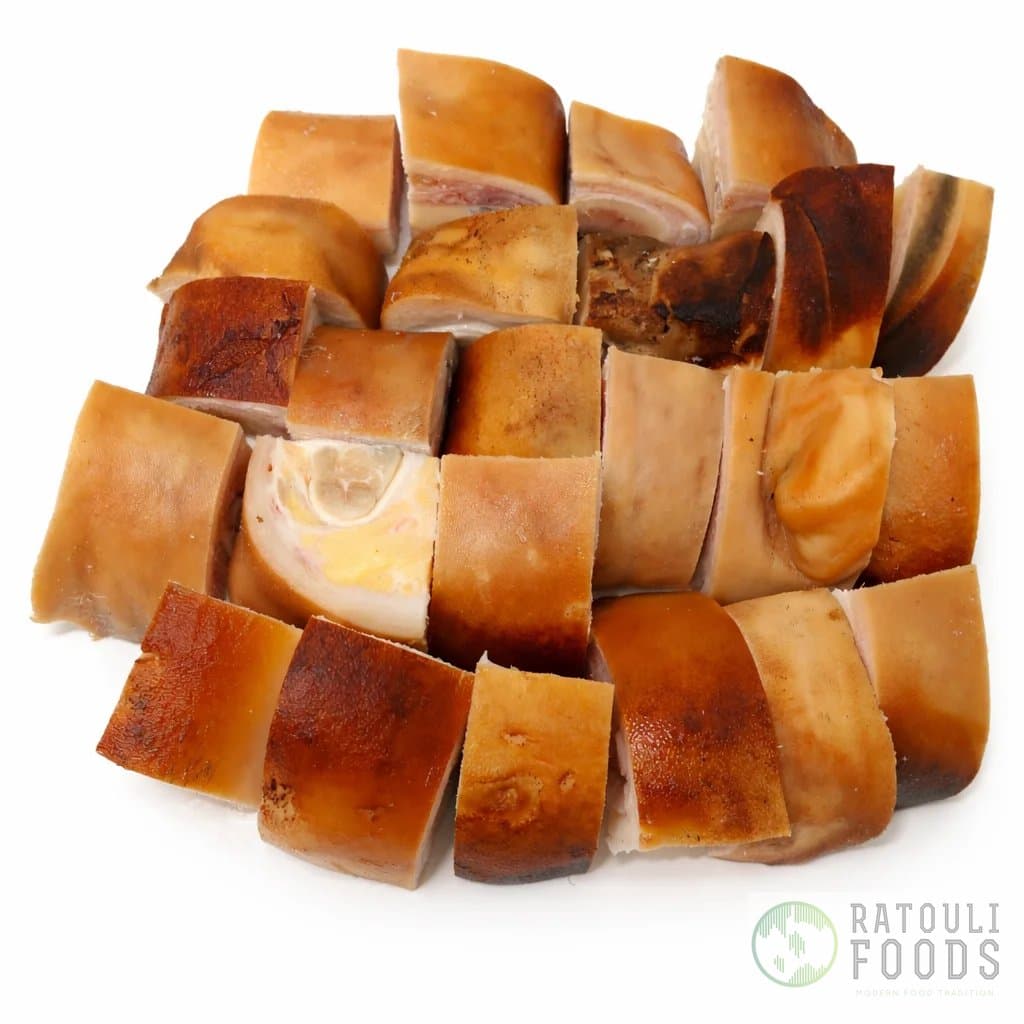 ·12 min read
Cow Feet (Bokoto): The Complete Guide for Cooks, Stores and Wholesalers
Cow feet, called bokoto across the diaspora, is the foot and lower leg of cattle. Bone, hoof, tendon, cartilage and skin, with barely any muscle. It is the collagen cut that gives soups and stocks their sticky body. This guide runs through the names, the dishes, cleaning, nutrition, the cut variants, storage and wholesale sourcing.
Read more- ·5 min read
Bokoto in English: what is it?
Bokoto in English is cow feet, also called cow foot or cow leg. It is the foot and lower leg of cattle, prized for collagen. Here is what it means, the other names it goes by, and why it is not tripe, skin or reed.
Read more - ·6 min read
How to clean and cook cow feet (bokoto): nkwobi, pepper soup and cow foot soup
Cow feet, called bokoto, are mostly bone, skin and collagen, so they need cleaning and then long slow cooking. Here is how to clean the leg and turn it into nkwobi, pepper soup or Caribbean cow foot soup.
Read more - ·6 min read
Cow feet nutrition: collagen, gelatine and what it gives a soup
What burned cow feet actually bring to the pot. Straight nutrition on collagen, gelatine and protein, plus how traceability and the cold chain keep the product right from our freezer to your kitchen.
Read more - ·5 min read
Cow foot vs cow leg vs cow heel vs cow leg bones: the cuts explained
Cow foot, cow leg, cow heel and the leg bones all come off the same lower leg of cattle, but they cook differently. Here is what each one is, which to buy for nkwobi, for a clear stock and for a hearty soup, and what a shop should keep in the freezer.
Read more - ·6 min read
Every name for cow feet: bokoto, cow heel, mocoto, pieds de boeuf and more
Cow feet carry a different name in every kitchen that cooks them. Bokoto in Yoruba, cow heel and bull foot in the Caribbean, mocoto in Angola and Brazil, pieds de boeuf in French, koeienpoten in Dutch. Here is the full map, so you can find the cut and shops can label it right.
Read more - ·6 min read
One cut, many kitchens: cow feet in Nigerian, Caribbean, Congolese and Surinamese cooking
Cow feet, the foot and lower leg of cattle known as bokoto, feed several diaspora kitchens from one box. Igbo nkwobi, Nigerian and Ghanaian pepper soup, Caribbean cow foot and cow heel soup, Congolese pieds de boeuf and Surinamese soups all start from the same cut. Here is how the dishes differ and why one SKU covers them all.
Read more - ·5 min read
Why cow feet are burned: the singeing step explained
Burned cow feet are de-haired by machine, then singed over an open flame to clear the last hair. That step gives the light-brown skin and a mild smoky note before the feet get washed and cut. Here is how it works and why the diaspora wants the burned colour.
Read more - ·6 min read
Stocking cow feet in your store: whole, cut, bones and labelling
A buying guide for shops and wholesalers stocking burned cow feet (bokoto). Which SKUs to carry, how to hold the cold chain, when to reorder by the pallet, and how to label it so Nigerian and Caribbean customers both find it on your shelf.
Read more - ·7 min read
The margins on cow feet: one SKU that earns across communities
A distributor's read on the margin in frozen cow foot, the bokoto. The real UK retail bands behind it, how the three pack formats price out, why one SKU reorders from Nigerian and Caribbean buyers alike, and where the leg-bones line earns as a cheap stock SKU.
Read more 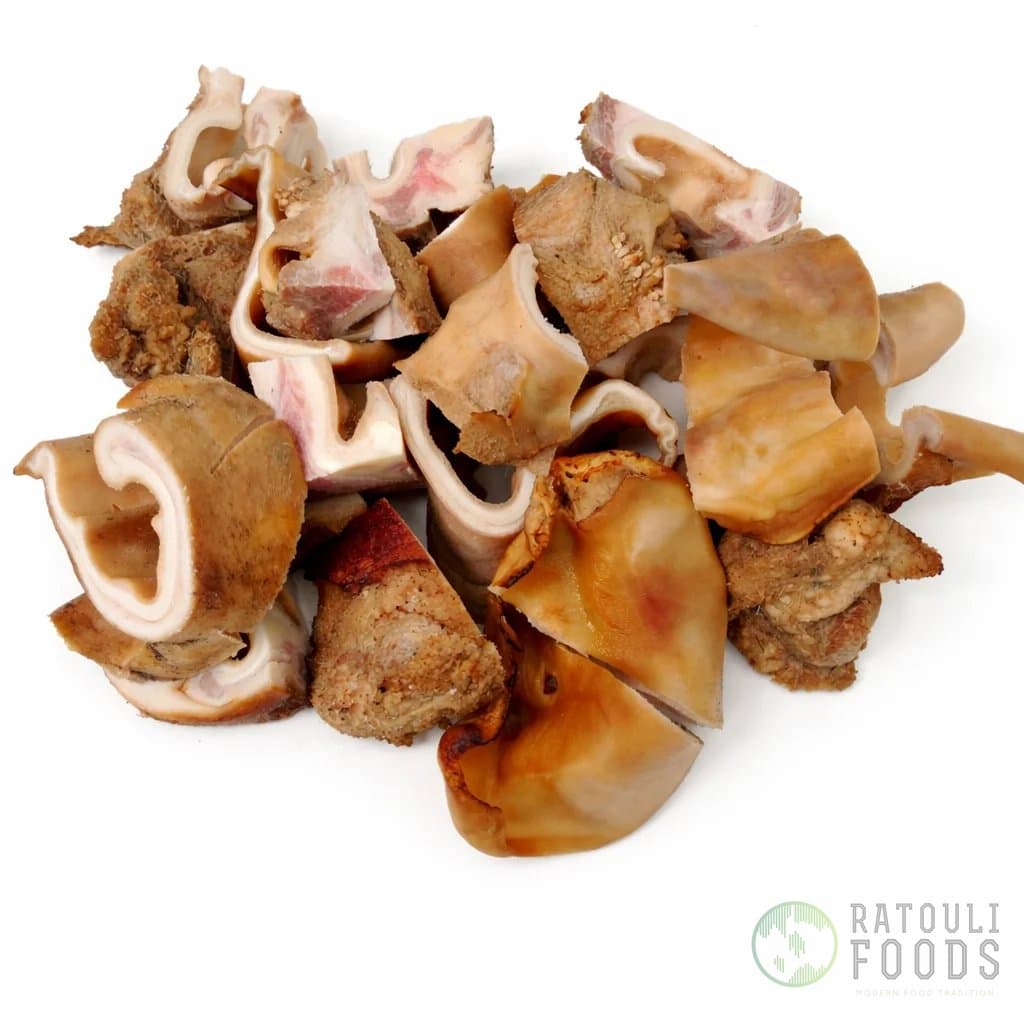 ·7 min read
Cow Ears (Beef Ears): What They Are and How to Use Them
Cow ears, also sold as beef ears, are the cleaned and singed ears of a cow. Crunchy cartilage on the inside, soft collagen-rich skin on the outside. They give real bite to nkwobi, pepper soup and assorted meat. Here is what they are, what they get called across Europe, and how to cook them.
Read more- ·5 min read
How to clean and cook cow ears (beef ears)
Cow ears, also sold as beef ears, need a scrape, a salt rinse and a par-boil before they go into nkwobi, pepper soup or assorted meat. Cook them long and slow and the cartilage keeps its crunch while the skin turns soft and gelatinous. Here is how to clean and cook them at home.
Read more - ·5 min read
Cow ears across the diaspora: names, texture and the dishes that use them
Cow ears, sold as beef ears in UK African shops, are the cleaned and singed ears of the cow. Crunchy cartilage, soft gelatinous skin, full of collagen. Here is what they are called in seven languages and the dishes they go into, from nkwobi to pepper soup to assorted meat.
Read more - ·6 min read
Stocking cow ears in your African food store: packs, cold chain and labelling
A trader's guide to stocking cow ears for a store or wholesale counter: pack formats, the cleaned-cut-frozen spec, holding at -18 C, labelling that sells, and where ears sit in the assorted-meat range.
Read more 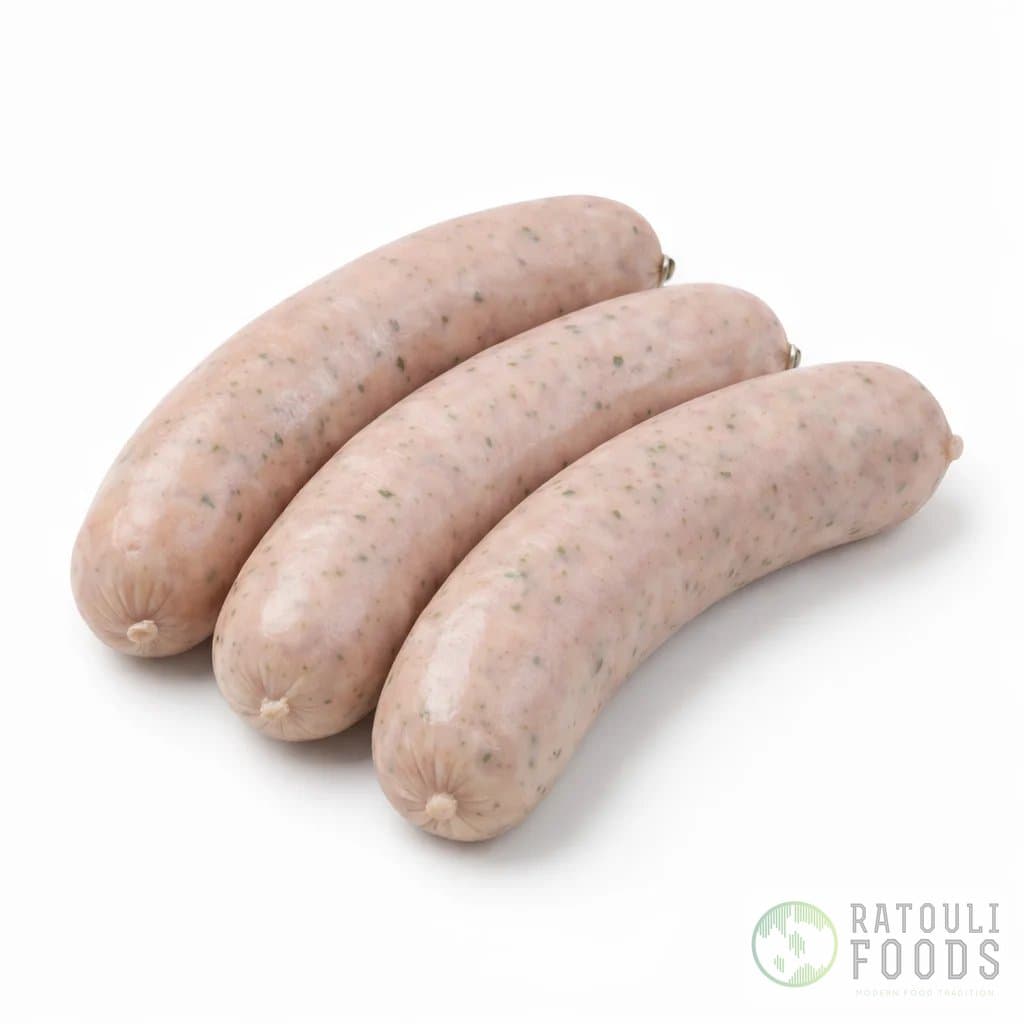 ·12 min read
Surinaamse worsten: the complete guide to vleesworst, bloedworst, kippenworst and fladder
A working guide to Surinaamse worsten for home cooks and toko buyers. What vleesworst, bloedworst, kippenworst and fladder actually are, which meat goes in each, how they are eaten warm in spiced bouillon, and where the no-pork versions fit.
Read more- ·6 min read
Surinaamse vleesworst: the classic recipe and the broodje
How to make Surinaamse vleesworst at home: half-om-half meat, milk-soaked bread, fresh pepper and garlic, stuffed in pork casing and steamed. Plus the broodje vleesworst met peper en zuur, and the beef and 100% kip variants.
Read more 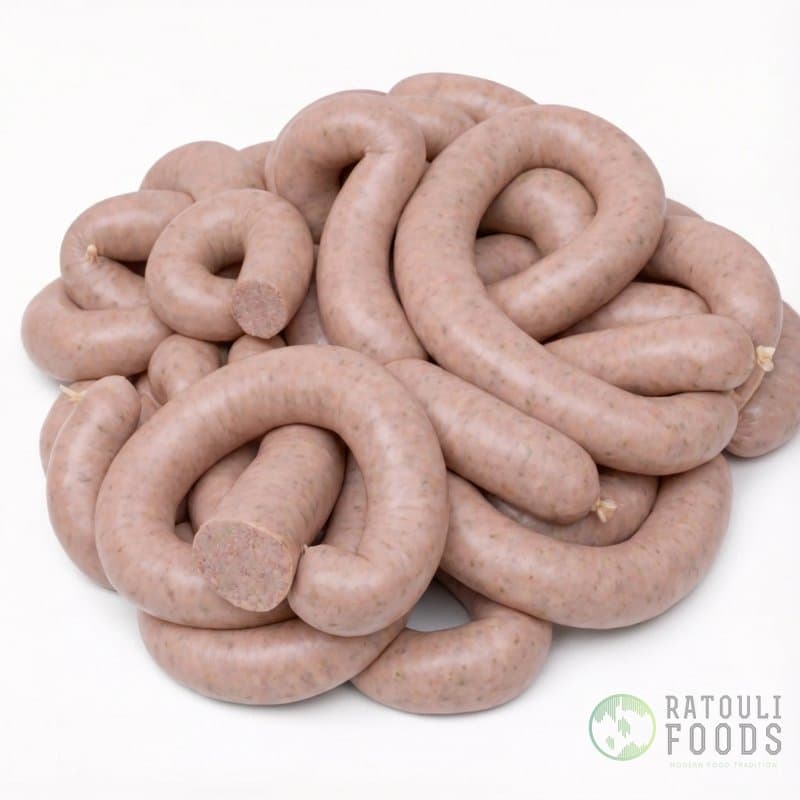 ·5 min read
How to reheat and prepare Surinaamse vleesworst from the freezer
Warm Surinaamse vleesworst through in a spiced bouillon for about 15 minutes, or use a pan or oven. Keep the heat gentle so it stays juicy, then slice it and serve with peper en zuur, the way the warm-worst stalls do it.
Read more- ·6 min read
What is Surinaamse fladder, and how do you cook it
Fladder is a Creole beef-offal delicacy from Suriname, made from the cow's fourth stomach. Here is what it actually is, the history it carries, and how to clean, soak and slow-cook it the way it lands next to hot Surinaamse worst.
Read more 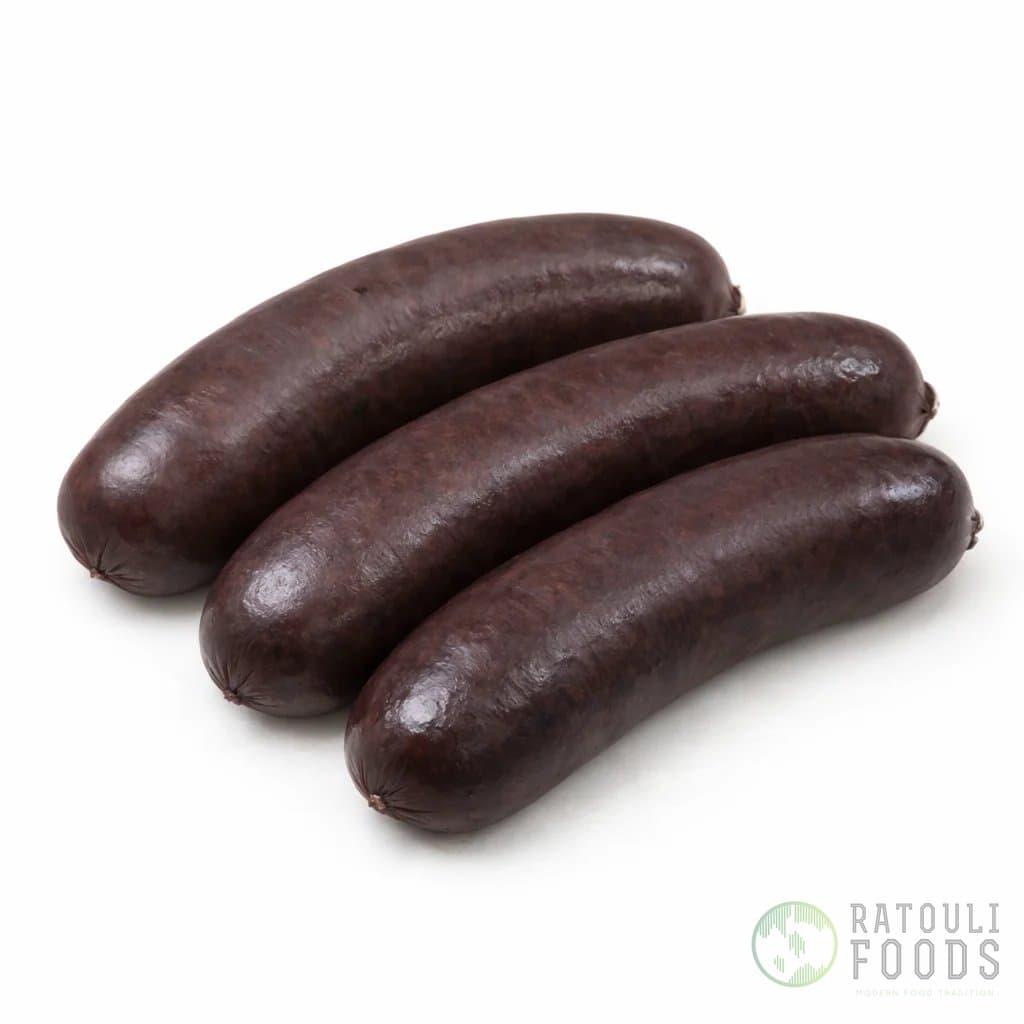 ·6 min read
Surinaamse bloedworst: the traditional recipe and how to fry it
Traditional Surinaamse bloedworst is pork blood mixed with breadcrumbs, onion, pepper, ginger and marjoram in a pork casing, then boiled. It comes out coarser and less sweet than a French boudin noir. Here is the recipe, how to bak it right, and the honest answer on pork versus the beef and chicken versions.
Read more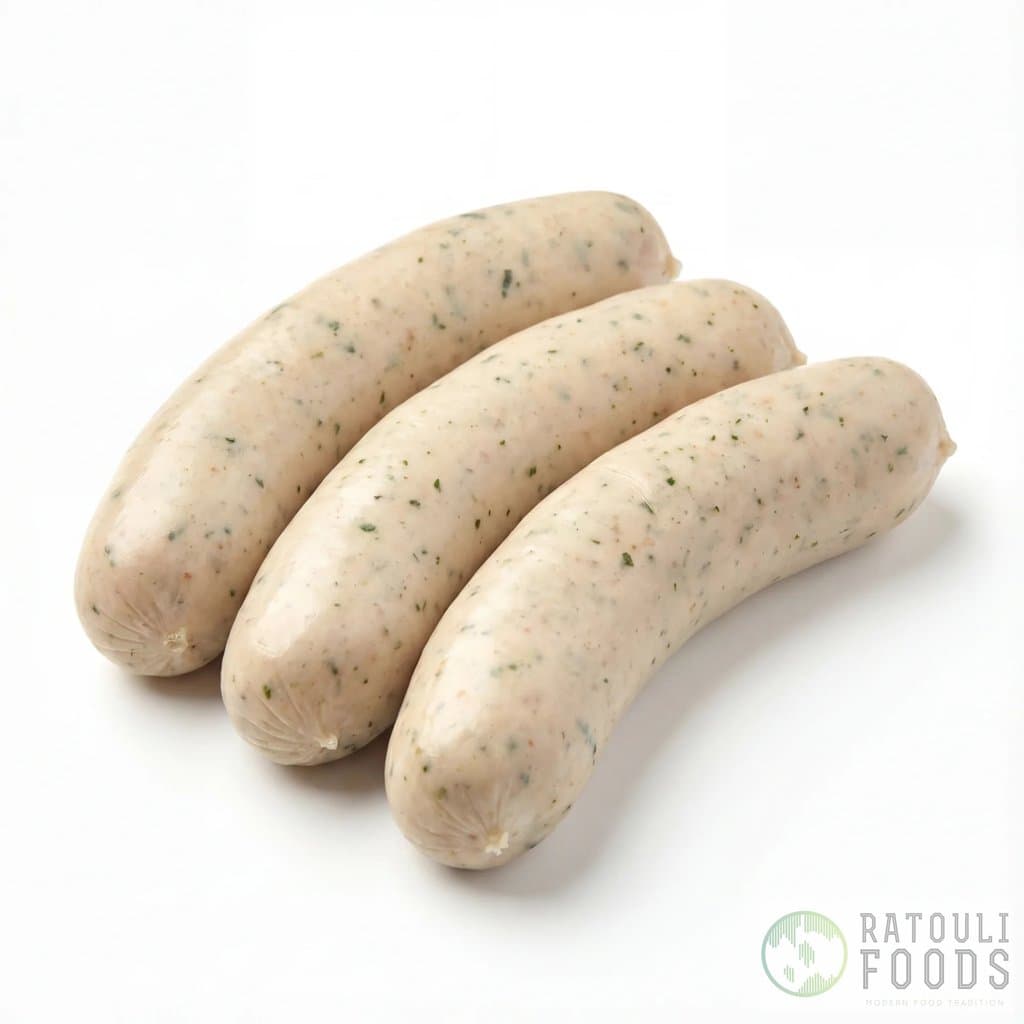 ·6 min read
Kippenworst or vleesworst: the difference and which to choose
Kippenworst is 100% kip, no pork and no beef, the no-pork answer to classic Surinaamse vleesworst, which is usually beef, pork, or a half-om-half blend. Here is how they differ and which one fits your kitchen.
Read more- ·6 min read
The Surinaamse worstplankje: vleesworst, bloedworst, kippenworst and fladder together
How to build a warm Surinaamse worstplankje from vleesworst, bloedworst, kippenworst and fladder, with the spiced bouillon, peper en zuur and sides. A board made for sharing at the family table and Keti Koti.
Read more - ·6 min read
Surinaamse worsten for tokos and snackbars: kip, rund, bloedworst and fladder per kilo or box
A wholesale buyer's guide to Surinaamse worsten from Ratouli Foods. The kip, rund, bloedworst and fladder range, pack formats from 500g retail to 10kg per doos, los versus vacuum, the kip line made with 100% halal ingredients, and DAP delivery across the EU and UK on an unbroken cold chain at -18 C.
Read more 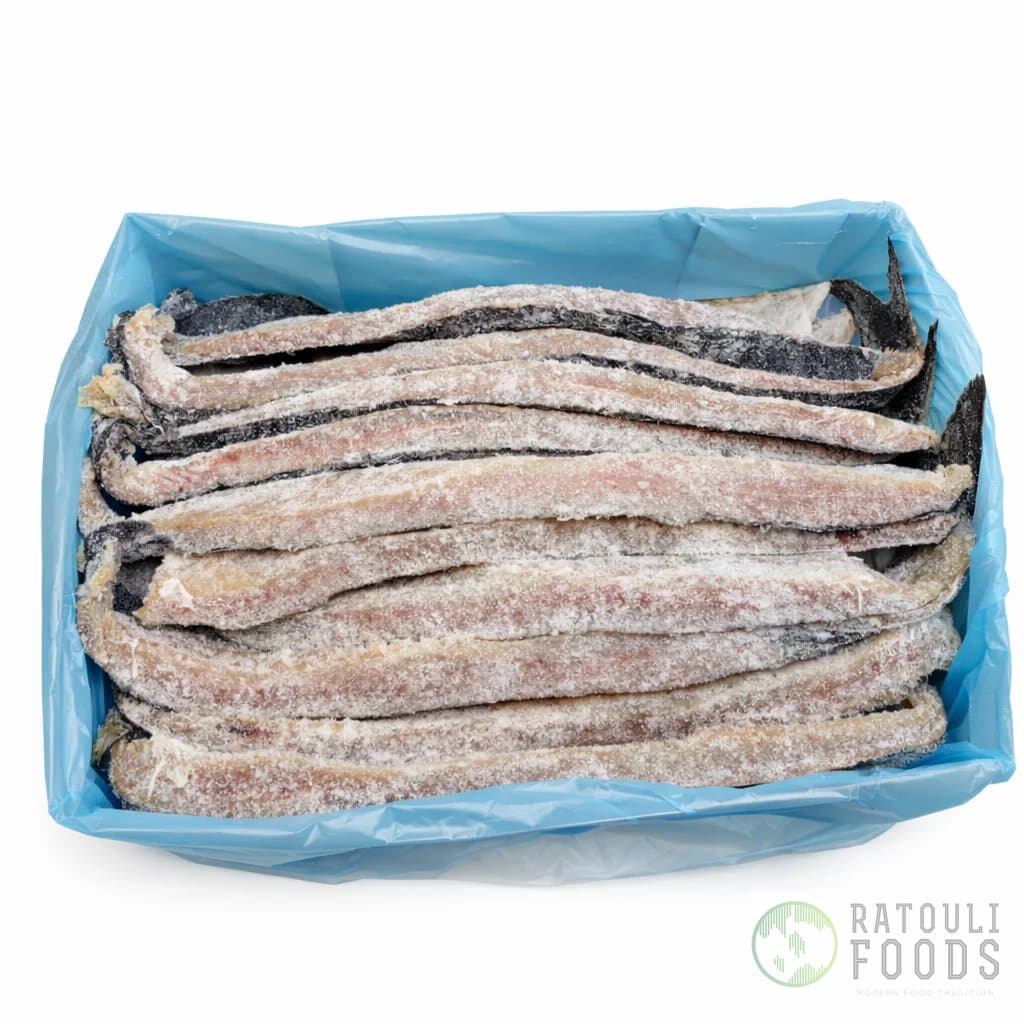 ·12 min read
Bakkeljauw: the complete Surinamese guide (what it is, desalting, dishes, history)
Bakkeljauw is salted, traditionally dried white fish. Usually saithe, not the cod the recipe blogs claim. Here is what it really is, how to desalt it the Surinamese way, the dishes worth making, and how to tell it apart from makayabu and stokvis.
Read more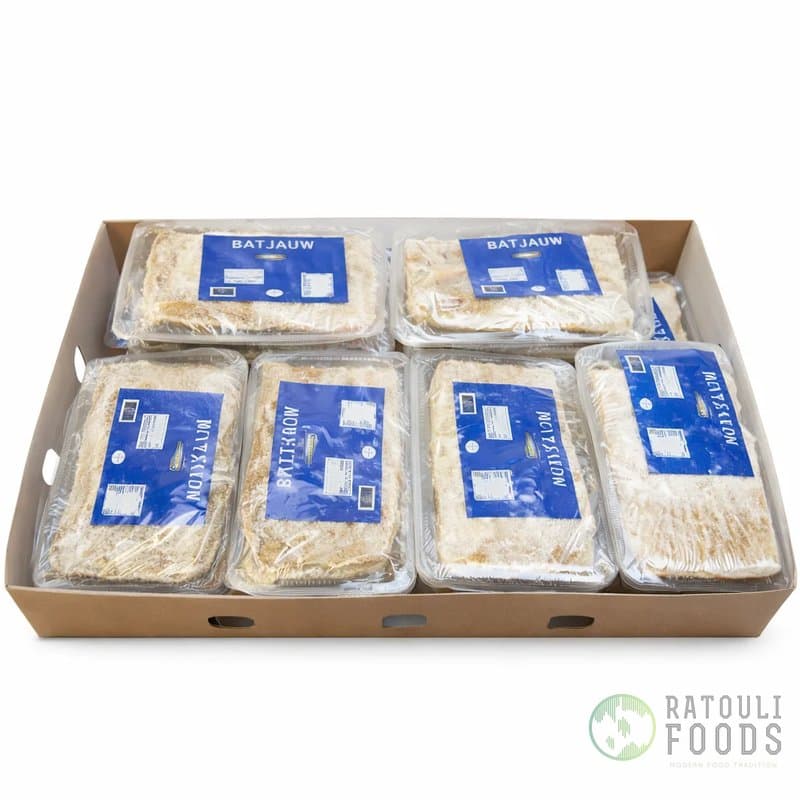 ·6 min read
How to desalt bakkeljauw (uitkoken): boiling vs 24-hour soaking
Bakkeljauw comes out of the pack too salty to eat. Two methods fix that: a fast boil in fresh water, or a slow 24-hour soak. Here is how I do both, and how to flake and debone the fish so your broodje bakkeljauw turns out right.
Read more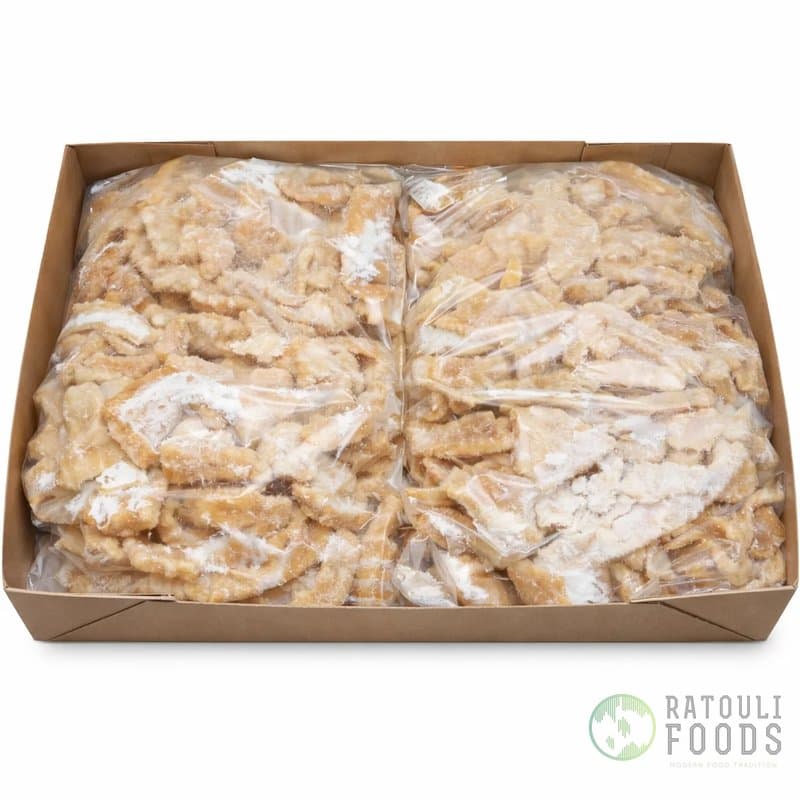 ·6 min read
Broodje bakkeljauw like in Suriname (with trassi, tomato and garlic)
The real broodje bakkeljauw from the toko, made at home. Desalted flaked saltfish stewed with onion, garlic, tomato and trassi, piled onto a witte puntje with zuurgoed and Madame Jeanette sambal. Here is exactly how I make it.
Read more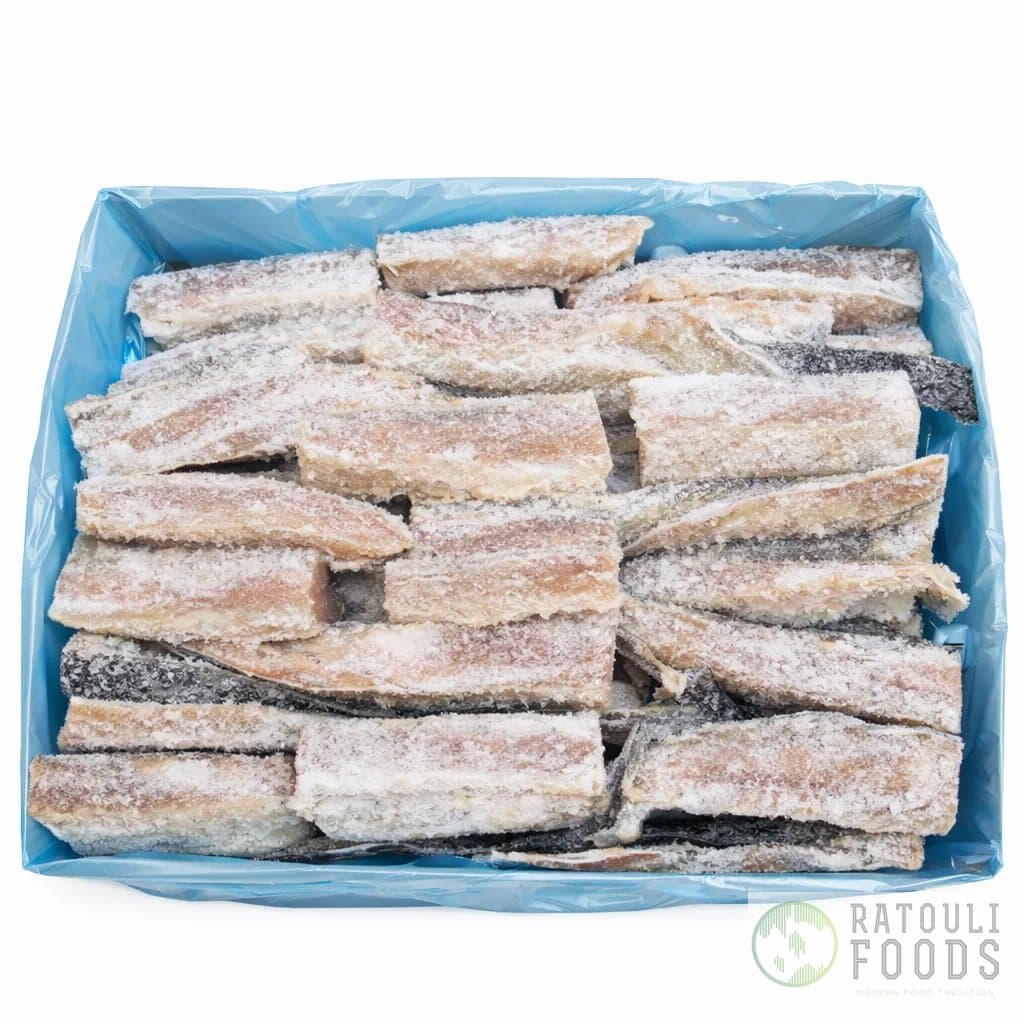 ·6 min read
Heri heri with bakkeljauw: the oldest Surinamese dish on your plate
Heri heri is the plantation-era plate that became the symbol meal of Keti Koti: cassava, sweet potato, plantain, boiled egg and desalted bakkeljauw. Here is what the dish is, where it comes from, how to cook the fish right, and why it lands on tables across Amsterdam every July 1.
Read more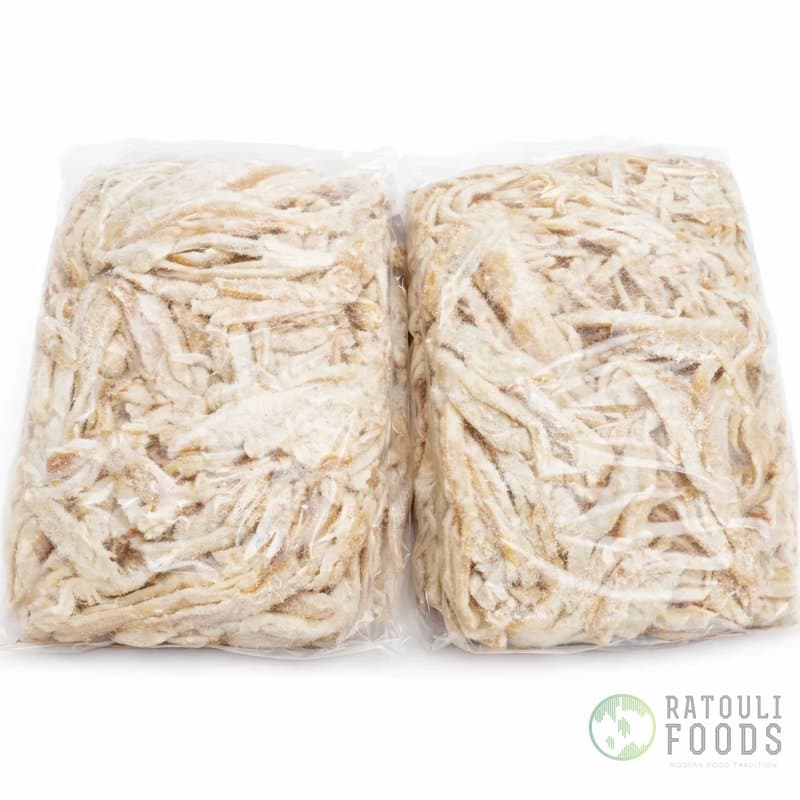 ·5 min read
Telo with bakkeljauw: the Surinamese fish and chips
Telo is fried cassava. Put it next to desalted bakkeljauw, fried crisp or stewed soft, with a fierce Madame Jeanette sambal, and you have the Surinamese answer to fish and chips. Here is how the snack works, how to desalt the fish, and why it holds its own next to any chip shop.
Read more- ·6 min read
Moksi alesi with bakkeljauw: one pot, everything in
Moksi alesi is the Surinamese mixed rice where everything cooks in one pot. With bakkeljauw, beans and vegetables it turns into a full dinner from a single pan. Here is how I make it at home, including the one step you cannot skip.
Read more - ·5 min read
Bakkeljauw filet or on the bone? Which to buy and why
Filet is near-boneless and faster to cook, but it costs more. On the bone, sold as heel or moten, is cheaper and tastes deeper, but you shred and debone it yourself. Here is how to pick the right one for your cook.
Read more - ·6 min read
The history of bakkeljauw: from plantation ration to favourite sandwich
Bakkeljauw started as cheap salted fish that survived the long voyage to the plantations of Suriname. Today it is the heart of broodje bakkeljauw and the Keti Koti table. Here is how a colonial ration became a dish people in Almere queue for.
Read more - ·5 min read
Storing bakkeljauw: how long it keeps and why it stays in the fridge
Salted bakkeljauw keeps for up to a year, but it is a chilled product, not a cupboard one. Here is why the salt does the preserving, how long sealed and opened packs last, and why a desalted batch has to be eaten within a day or two.
Read more - ·6 min read
Bakkeljauw, makayabu or stokvis: what is the difference in the kitchen?
Three salted or dried fish that get mixed up at the toko counter. Bakkeljauw is salted saithe you have to desalt. Makayabu is heavily salted cod split on the bone. Stokvis is air-dried with no salt at all. Here is which one to grab for which dish.
Read more - ·8 min read
Bakkeljauw (salted saithe and pollock): salted dried fish for wholesale in the EU and UK
Bakkeljauw is salted, dried white fish: saithe and pollock. Our biggest fish line and a core SKU for Surinamese, Caribbean and African stores. Learn what it is, how customers use it, and how to source it in the EU and UK.
Read more 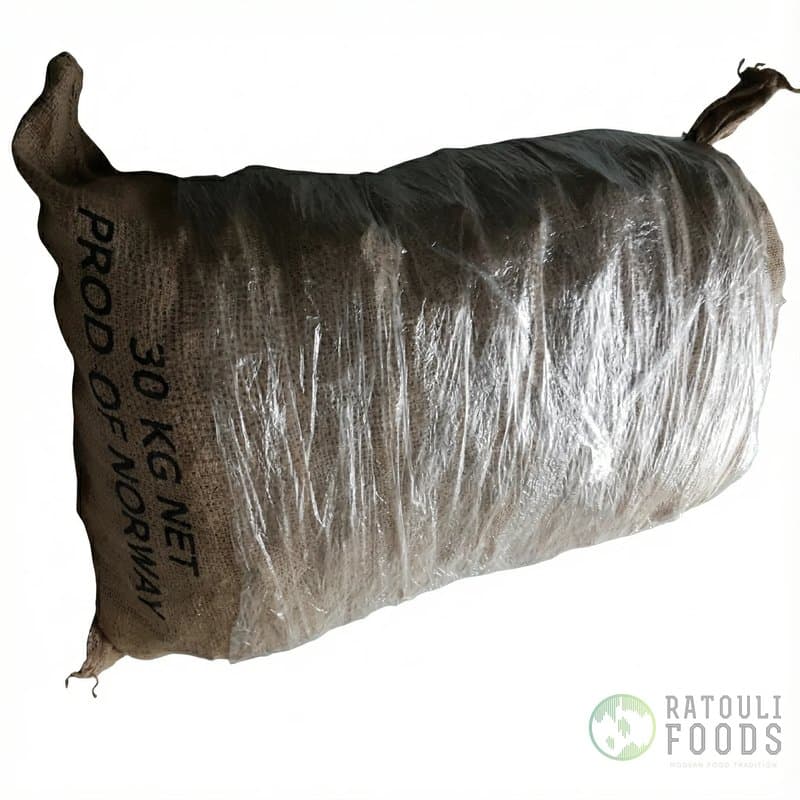 ·8 min read
Stockfish (okporoko): air-dried cod and tusk for wholesale in the EU and UK
Stockfish is unsalted, air-dried cod and tusk. A core SKU for African and Caribbean stores. Learn what it is, how customers use it, and how to source it in bales and retail packs across the EU and UK.
Read more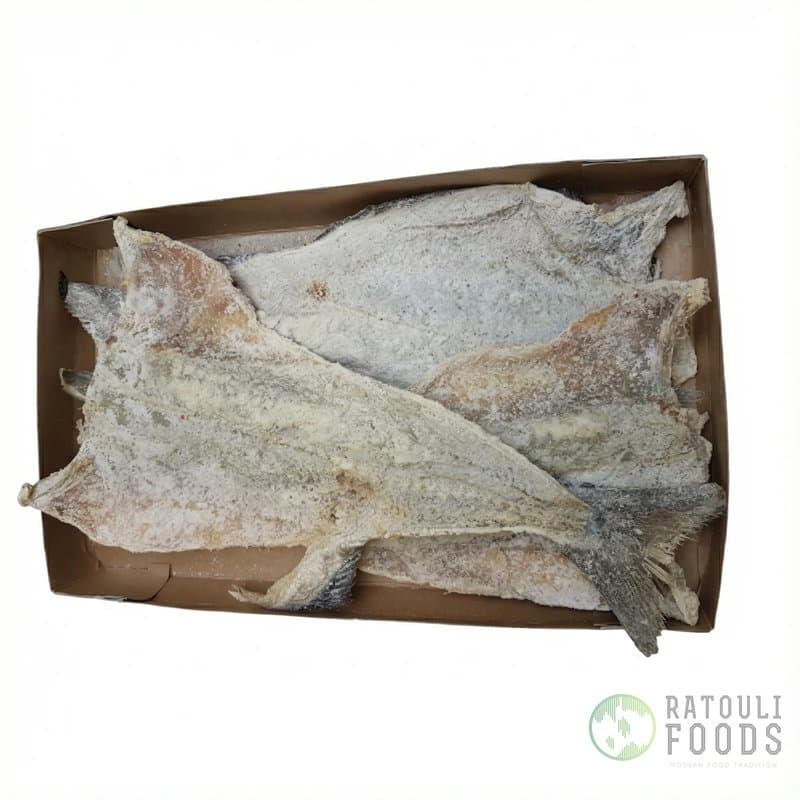 ·7 min read
Makayabu (salted cod): salted, chilled salt fish for wholesale in the EU and UK
Makayabu is salted cod, kept chilled and desalted before cooking. A core staple for the Congolese, Angolan and wider Central-African diaspora. Learn what it is, how customers use it, and how to source it in the EU and UK.
Read more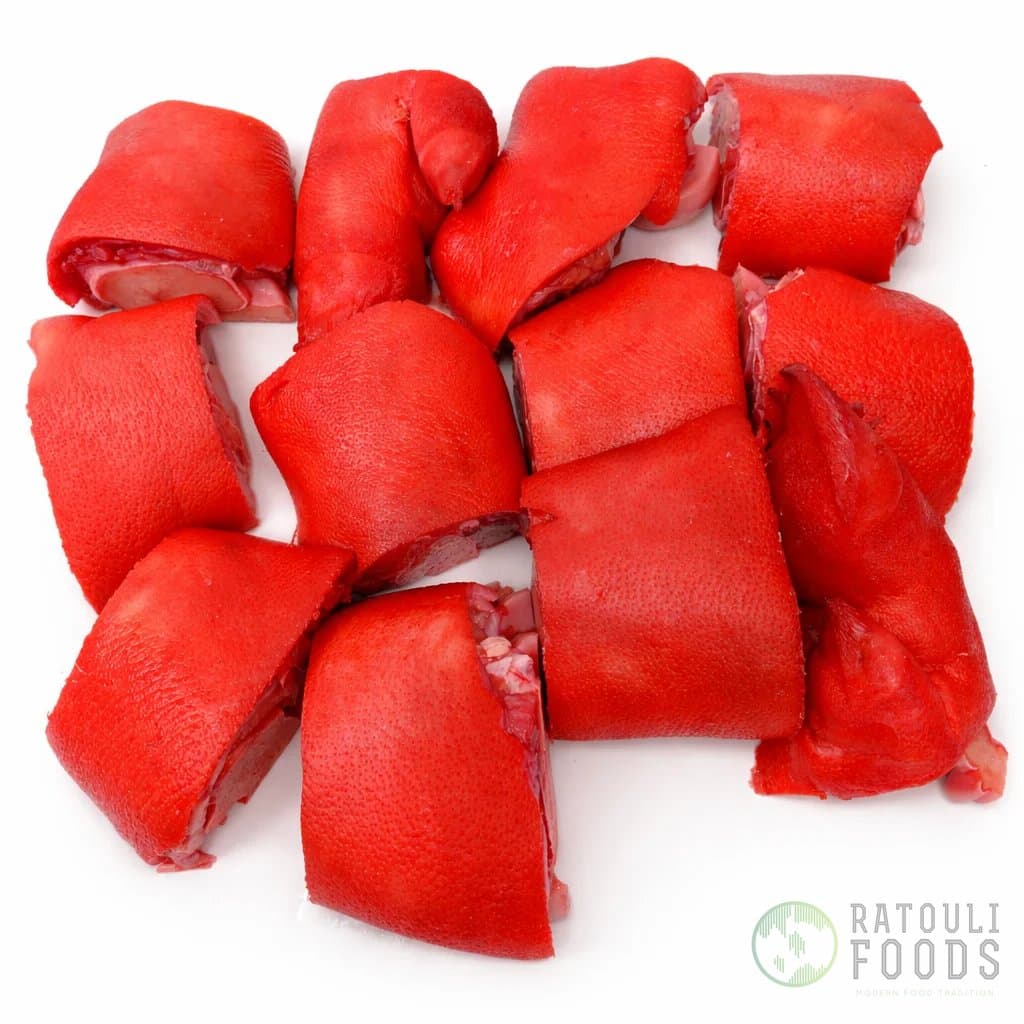 ·7 min read
Salted pig feet (pied de porc à la créole): a Creole specialty for wholesale in the EU and UK
Salted pig feet (pied de porc à la créole) are a Creole specialty, heavily salted in a saturated brine. Learn what it is, how customers use it, and how to source it in the EU and UK.
Read more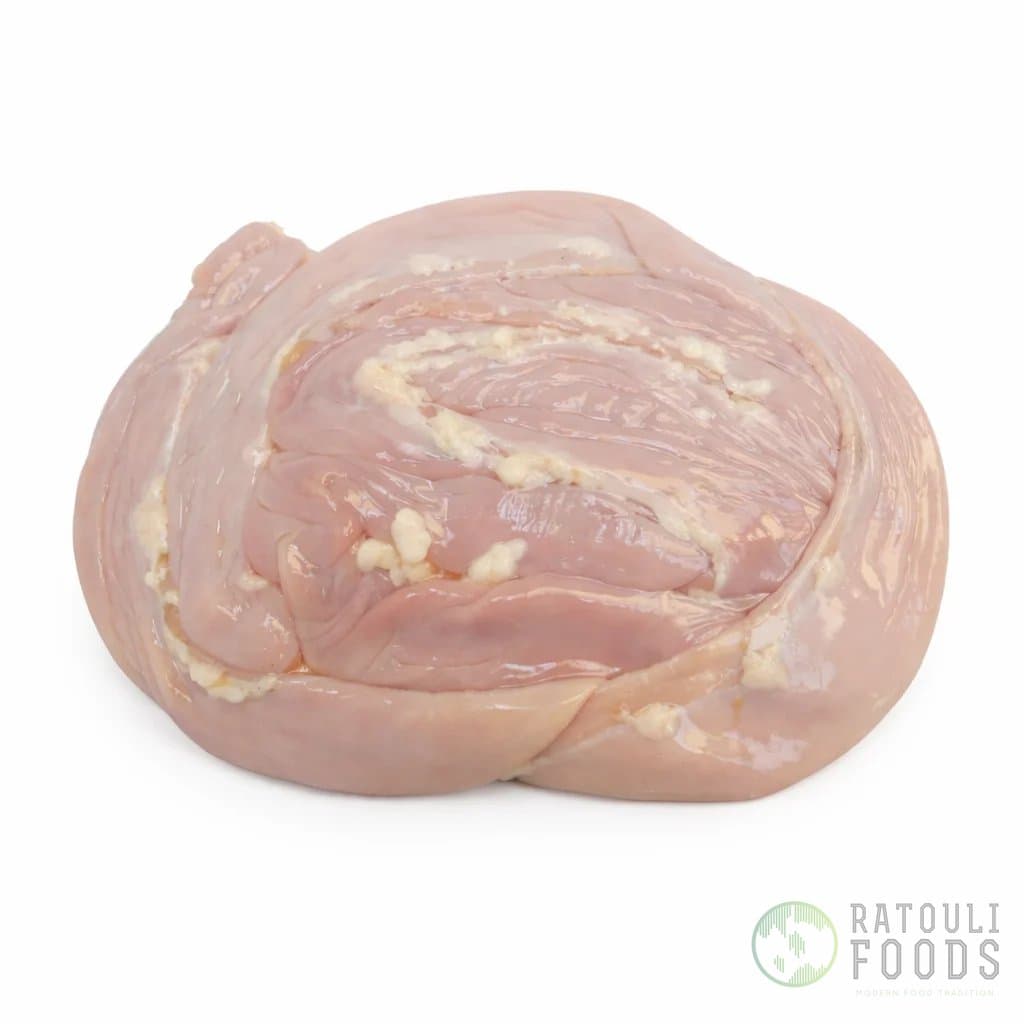 ·7 min read
Round about (roundabout): frozen cow small intestine for wholesale in the EU and UK
Round about is cow small intestine. A staple of assorted meat in Nigerian cooking. Learn what it is, how customers use it, and how to source it frozen in the EU and UK.
Read more- ·8 min read
Ponmo (kpomo, kanda): burned cow skin frozen for wholesale in the EU and UK
Ponmo (kpomo, kanda) is cow skin, called cow hide in English. Learn what ponmo is, the dishes it suits, and how to source it frozen wholesale in the EU and UK.
Read more - ·8 min read
Burned cow feet and legs (bokoto): frozen beef feet for wholesale in the EU and UK
Cow feet (bokoto) are burned, frozen beef legs. A core SKU for African, Caribbean and Surinamese stores. Learn what it is, how customers use it, and how to source it in the EU and UK.
Read more - ·8 min read
What is Shaki? Frozen beef tripe wholesale in the EU and UK
Shaki is beef tripe (cow stomach), called honeycomb or towel tripe in English. Learn what it is, the dishes it suits, and how to source it frozen wholesale in the EU and UK.
Read more - ·8 min read
What is Abodi? Frozen beef reed (cow stomach) wholesale in the EU and UK
Abodi is beef reed (cow stomach), called reed tripe in English. Learn what abodi means, how it differs from shaki, and how to source it frozen wholesale in the EU and UK.
Read more - ·8 min read
Buying for Kwaku 2026: a wholesale checklist for caterers, restaurants and toko's
Kwaku 2026 runs from 11 July through 2 August in Nelson Mandelapark. This is the buying checklist for caterers, restaurants and toko's (Surinamese-Caribbean grocery shops): the products that move at the festival, the order list by category, and the lead times of an EU-approved supplier (NL208262EG).
Read more - ·7 min read
Kwaku purchasing list: how much sausage and bakkeljauw you really need per weekend
A fully worked purchasing list for stallholders and caterers at Kwaku 2026. Kilos per 100 guests, the 10kg case as the base unit, and an ordering schedule for all four weekends.
Read more - ·7 min read
Fresh or frozen import: why you do not want your sausage shipped in a styrofoam box
The difference between fresh, EU-approved Surinamese sausage and bakkeljauw (salted, dried cod) and an anonymous frozen import comes down to thaw risk, traceability and HACCP. For anyone buying for the Kwaku season, that difference shows up on your plate and in your margin.
Read more - ·11 min read
How to Source Frozen Offal and Salted Fish for Your African or Surinamese Store in the EU
The question every shop owner asks: where do I find one reliable wholesale supplier for frozen beef offal and salted fish, what is the minimum order, and can it reach my door across the EU and UK? Here is how it works with an EU-approved maker, the three supply routes side by side, pack sizes from 1kg to a full pallet, and the steps to open a wholesale account.
Read more - ·11 min read
African Grocery Store Supplier: A Full Stock List for Shaki, Abodi, Ponmo, Cow Feet, Cow Ears and Salted Fish Across the EU and UK
A buying guide for African and Surinamese shop owners. The frozen offal and salted-fish range you can order from one EU-approved supplier, with the local names your customers use, pack sizes from 1kg to pallet, and DAP delivery across the EU and the UK.
Read more - ·8 min read
Ponmo, Kpomo, Wele, Canda, Kplo: One Cow Skin, Every Name, and Where to Buy It in Europe
Ponmo, kpomo, wele, canda and kplo are community names for the same thing: cow skin. This guide puts the names in one place, sorts out brown from white, and shows the two ways to buy it in Europe, fresh from a shop for tonight's pot or in frozen cartons for your store.
Read more - ·10 min read
Beef Reed (Abodi) and Bokoto (Cow Foot): the Names, the Dishes, and Where Shops and Home Cooks Buy Them in Bulk Across the EU and UK
Abodi is beef reed, the long beef intestine that cooks down into abodi roundabout. Bokoto is cow foot, the gelatin cut behind nkwobi and pepper soup. Here are the names in one place, the dishes that drive demand, and the two clean ways to buy them: small frozen packs from 500g for the kitchen, and singed or scalded cartons for shops and caterers, delivered DAP across the EU and UK.
Read more - ·9 min read
African, Caribbean and Surinamese Food Terms Glossary: Shaki, Abodi, Ponmo, Bokoto, Bakkeljauw, Makayabu and More
A plain-language glossary of the offal, salted-fish and Surinaamse terms shoppers and store owners search for across Europe. Each term gets a short, citable definition, the dishes that drive demand, and the trade words (DAP, HACCP, MOQ) a buyer needs to place an order.
Read more - ·9 min read
How a UK African or Caribbean Food Shop Sources From an EU-Approved Supplier Without Border Friction
A UK shop can still buy frozen offal, salted fish and stockfish from a Dutch EU-approved supplier after Brexit. On DAP delivery the supplier handles export and import clearance, so the goods arrive at your door at one price. Here is how it works, what NL208262EG and HACCP tell you, how fast a sample ships, and what the minimum order looks like.
Read more