

Stocking abodi in your African food store: pack sizes, pricing and labelling that sells
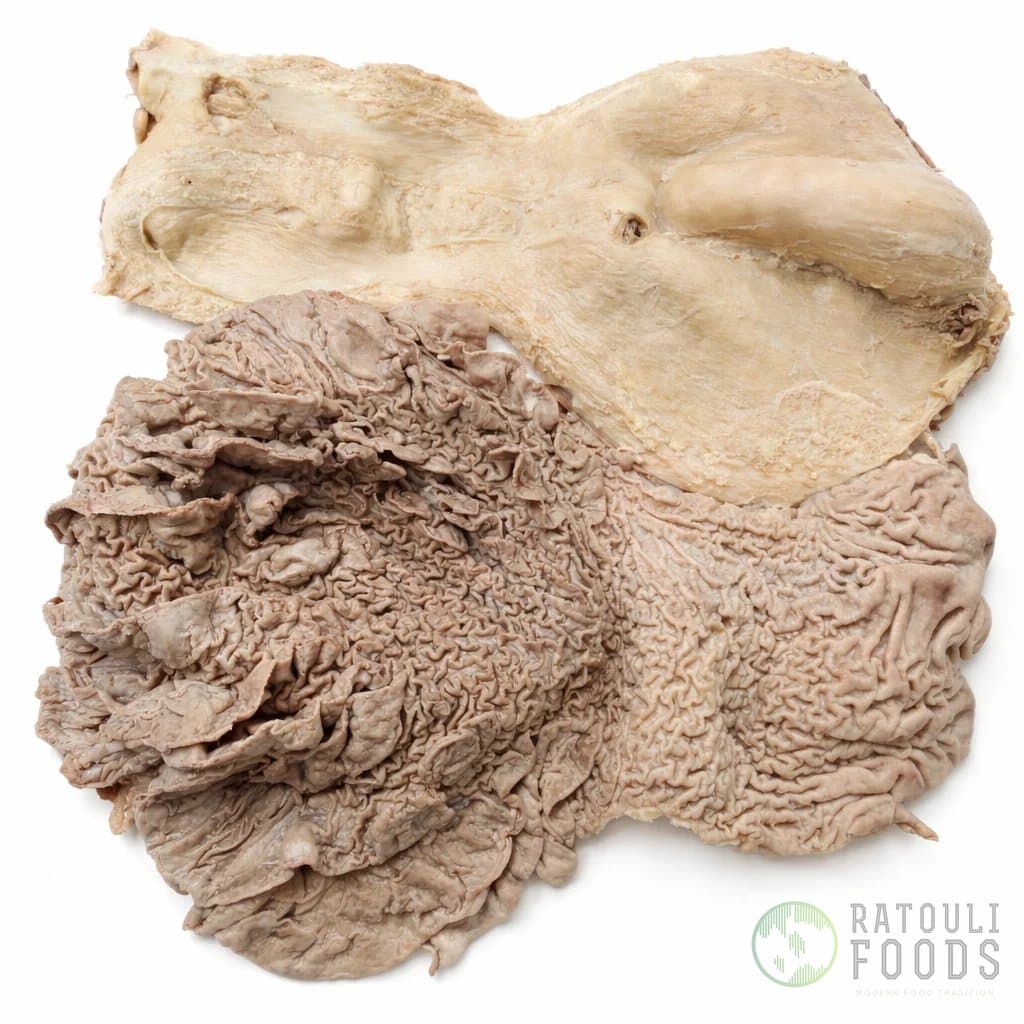
Stock abodi in two cases. 12 x 1 kg for the households that buy big, 24 x 500 gram for the smaller baskets. Keep it scalded, cleaned and cut, frozen at -18°C, delivered DAP. Reorder by the pallet so you never run short before a festival weekend. On the shelf, label it both Abodi and Beef reed.
What abodi is, and why your customers ask for it
Abodi is beef reed. It is the abomasum, the cow's fourth and last stomach chamber. Of the four, it is the only one that works like a human stomach, with acid and rennin. That is why the old cheese-makers called it the true stomach. For your shelf, the point is simpler. Abodi chews softer than shaki and it drinks up pepper and spice, so it goes into the pot for pepper soup, assorted meat, egusi, nkwobi and ofada or ayamase stew.
Your Nigerian and Ghanaian regulars call it abodi. Your Surinamese and Caribbean customers, and the wider West-African crowd across the EU, often know it by the English trade name, beef reed. Same product. The chamber gets sold under half a dozen names in the trade: beef reed, reed tripe, reed crown when it is rolled into a ring, cow reed, cow stomach, maw. That mess of names is exactly why labelling matters, and I come back to it at the end.
One thing worth telling the customer who hesitates at the offal counter. The abomasum is a real delicacy in Europe, not scrap. In Florence they make lampredotto from it, the classic street sandwich. So you are not selling a leftover. You are selling a cut people travel for.
Sourcing for your store or wholesale?
Request a quote or browse the full catalogue.
Pack sizes: 12 x 1 kg or 24 x 500 gram
We run abodi in two cases. Between them they cover most stores.
| Pack | Best for | Why |
|---|---|---|
| 12 x 1 kg | Households that cook a big pot, party trade, restaurants | Fewer units to handle, lower price per kilo, moves fast around festivals |
| 24 x 500 gram | Single shoppers, smaller baskets, trial buyers | Lower shelf price per pack, more facings, easier impulse buy |
If you want one to start, take the 12 x 1 kg. The kilo bag is the size most West-African cooks expect, and it is the cleaner reorder. Once you see who is buying, add the 24 x 500 gram to catch the shoppers who do not want to commit to a full kilo. Plenty of stores run both side by side and let the price gap do the selling.
Every bag is the same spec underneath. So a customer who buys the 500 gram and likes it trades up to the kilo with no surprise. That consistency is the whole reason to buy abodi wholesale from one supplier instead of chasing whatever the market van has that week.
The spec: scalded, cleaned and cut, frozen at -18°C
This is where most of the trouble in the offal trade lives, and where you earn your margin back. Our abodi comes scalded, cleaned and cut, then frozen. Your customer opens the bag and starts cooking. No scraping, no smell, no half hour at the sink. For a shop, that is the line between a cut people buy again and one they buy once.
- Scalded: the membrane is handled before it reaches you, so the reed comes pale and clean, not raw and green.
- Cleaned and cut: portioned and ready for the pot. In a mixed assorted-meat pot the tougher offal goes in first, and cut pieces let the cook judge that.
- Frozen at -18°C: locked at temperature from our cold store to your delivery.
The numbers behind the cut are honest too. Cooked beef reed sits in the tripe range, roughly 85 to 95 kcal per 100 grams, 18 to 20 grams of protein with a high collagen share, well over a day's B12, useful selenium and zinc, and less fat than most beef cuts. Lean protein, slow-cook cut. You can put that on a shelf talker without overselling it.
Ratouli Foods runs under EU approval NL208262EG, with HACCP and a public NVWA inspection record, out of Volendam. As a frozen beef reed supplier, that record is what lets you answer a customer or an inspector without flinching.
Cold chain, delivery and reorder by the pallet
Frozen offal is only as good as the chain that carried it. We deliver DAP, frozen at -18°C, across NL, BE, DE, FR, ES, IT and the UK. DAP means it lands at your door at temperature. You are not arranging freight or chasing a carrier. Your job is to get it straight into the freezer.
For reordering, think in pallets, not bags. If you are serious about beef reed wholesale, a pallet of mixed cases is the unit that keeps your price right and your shelf full. The mistake I watch new stores make is ordering thin, selling out on a Friday, and sitting empty over the exact weekend when assorted meat sells hardest.
Plan stock around the calendar. Demand for assorted meat spikes three times a year: the New Yam Festival in August, Eid, and December. Order your festival pallet two to three weeks ahead so it is in your freezer before the rush, not stuck on a truck during it. The stores that stock abodi for the festival weekend and still have it on Sunday are the ones people come back to.
Pair abodi with our shaki range while you are at it. The same cooks buy both for the same pots. Shaki is the honeycomb tripe, the reticulum, a different chamber and a different chew. Stock the two together and the assorted-meat shopper fills a basket from one shelf.
Labelling that actually sells: Abodi and Beef reed, together
Here is the part that quietly costs stores money. The same product gets labelled all over the place: beef reed, reed crown, cow stomach, sometimes loosely as beef intestine reeds, sometimes just mislabelled. So a customer searching for abodi walks past a bag marked beef reed, and a customer who only knows beef reed walks past a bag marked abodi. You lose the sale to the label.
Fix it on the shelf. Put both names on the shelf label, plus a short English description:
- Abodi as the primary name your West-African regulars search for.
- Beef reed as the English trade name everyone else reads.
- A one-line description, for example: "Beef reed (abodi), cow's reed tripe, scalded, cleaned and cut, frozen. For pepper soup, assorted meat and egusi."
That one label catches both halves of your customer base. It also covers the spellings people type in search, abody, abudi, abuddi, when they look you up online before they come in. If you run a sign in Dutch as well, lebmaag is the closest anchor, though most of your customers will still ask for abodi or beef reed by name.
Be straight in your description. Call it the abomasum, the reed, and leave it there. You do not need to pretend the trade is tidy. Customers trust the store that names the cut plainly over the one that hides it under a vague label.
Sourcing for your store or wholesale?
Request a quote or browse the full catalogue.
Related guides