

How to clean and cook abodi (beef reed): pepper soup, assorted meat and stew
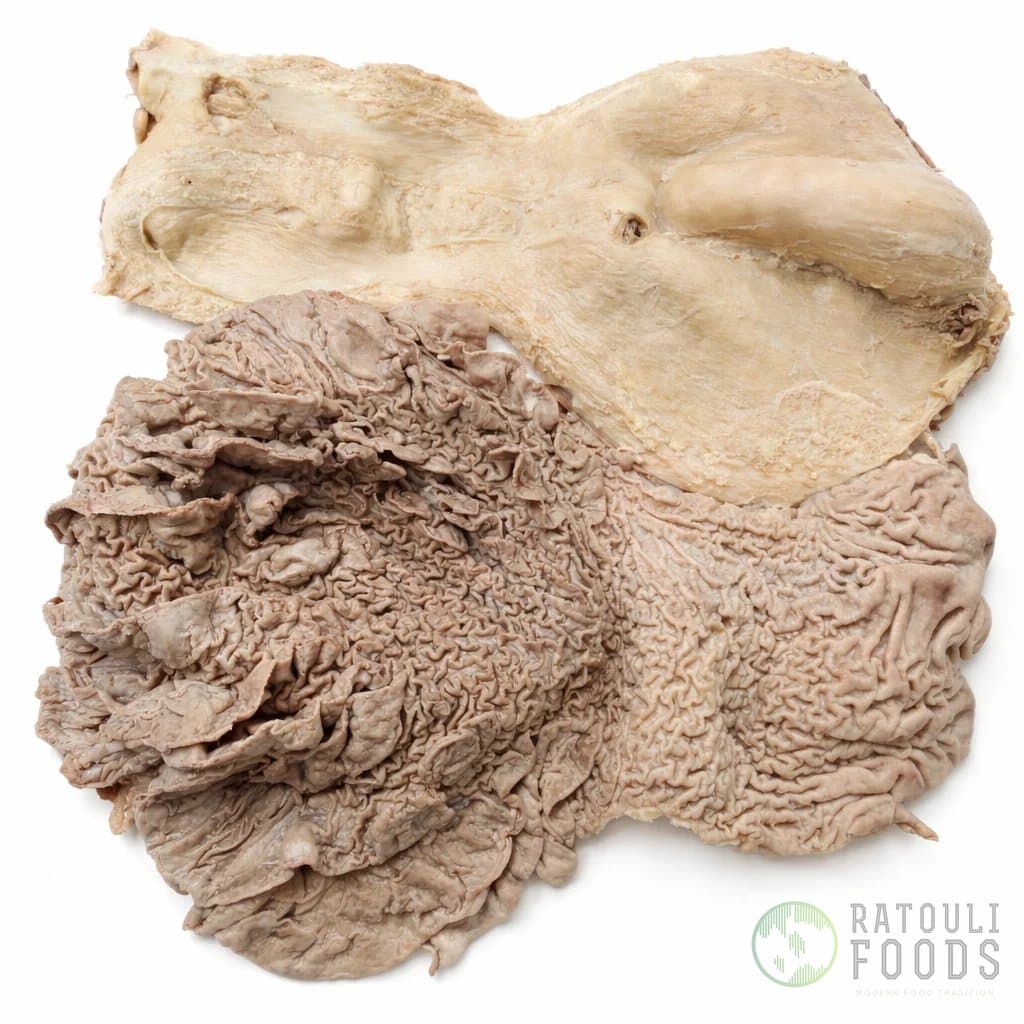
To cook abodi, scrub the beef reed with rock salt and vinegar or lime, scrape it, rinse it well. Par-boil for 10 minutes and throw out the first water. Then it needs a long, slow simmer, an hour or more, because reed is tough. After that it goes into pepper soup, assorted meat or stew.
What abodi actually is
Abodi is beef reed. In butcher terms it is the abomasum, the cow's fourth and last stomach chamber. A cow has four chambers and each one gives you a different tripe. The rumen is blanket or smooth tripe. The reticulum is honeycomb tripe, which in the West-African trade we call Shaki. The omasum is book or bible tripe. The abomasum is reed tripe, and that is abodi.
Here is what sets the reed apart. The abomasum is the only chamber that works like a human stomach, with acid and the enzymes that break down food. It is the true stomach. Some call it the rennet bag or the cheese stomach, because people have pulled rennet for cheese out of it for thousands of years. On the plate that means a smoother chew than shaki, and a stomach that takes pepper and spice very well.
One honest word on naming, because the trade is not tidy. The same product turns up as beef reed, reed tripe, reed crown when it is rolled into a ring, cow reed, cow stomach, maw, sometimes loosely "beef intestine reeds", and now and then it is just mislabelled. The labels shift from shop to shop. The definition does not. Abodi is the abomasum, the beef reed. If you want the longer version with cut diagrams, read our Shaki guide next to this one. Shaki and abodi come off the same animal but they are not the same part. Shaki is honeycomb tripe. Abodi is reed.
Sourcing for your store or wholesale?
Request a quote or browse the full catalogue.
This is a global delicacy, not scrap
People new to offal sometimes treat the stomach as the thing you cook when you cannot afford better. The rest of the world does not see it that way. In Florence the abomasum is lampredotto, a street-food sandwich people line up for, part of what the Italians call the quinto quarto, the fifth quarter. The reed splits into two there. The gala sits lower, layered and bold. The spannocchia sits higher up and cooks softer and milder.
And almost every cheese you have eaten owes something to this chamber. Rennet, the thing that curdles milk into curd, came from the abomasum first. That is why so many European names for it point at cheese and curd. The Dutch call it lebmaag. The French call it caillette, from caillé, curdled. The Germans say Labmagen, the rennet stomach. So when you cook abodi you are working with a cut that Italy, France and the Netherlands have prized for centuries. The Yoruba, Igbo and Hausa kitchens just have their own long way with it.
How to clean abodi
Cleaning is the step people skip, then complain about the smell. Do not skip it. Abodi comes from the digestive tract, so cleaning is about cutting the raw stomach odour and pulling off any film before it hits the pot. Here is how to clean abodi at home, the way it has been done for generations.
- Rinse the reed under cold running water first, then cut it into large flat pieces so you can reach every surface.
- Rub it hard with coarse rock salt. The salt grips the surface and lifts the slime. Work it in. Do not just sprinkle.
- Add vinegar, or the juice of a few limes if you have them. The acid kills the raw smell. Lime is the classic choice in a West-African kitchen. Vinegar does the same job.
- Scrape the inner surface with the back of a knife to take off any dark film or residue. Reed has folds, so open them and get into them.
- Rinse again under running water until the water runs clear and the surface squeaks. If it still smells raw, repeat the salt and acid once more.
You want it clean, pale and odour-free before any heat touches it. That is the whole point of this step.
How to cook abodi: par-boil first, then cook it long
Two rules with reed tripe. Par-boil it first, then give it real time. Reed is muscle that worked hard for the whole life of the animal, so it does not go tender on a short cook. Rush it and you get rubber.
Par-boil first. Put the cleaned reed in a pot, cover with water, add a little salt and a bay leaf or an onion if you like, and bring it to a boil for about 10 minutes. Drain that first water completely. It pulls out the last of the raw odour and any scum, and it leaves you a clean base to build flavour on. Then start your real cook in fresh liquid.
Now cook it long. Cover the par-boiled reed in fresh water or stock, season it, and simmer it gently. Plan on an hour or more before it is properly tender, longer if the pieces are thick. You are after a soft, yielding chew that still has body, not something that falls apart. Test it with a knife. If it still fights back, it needs more time, not more heat.
One thing worth knowing if you cook for a shop or a kitchen rather than a single pot. The abodi we ship at Ratouli is already scalded, cleaned and cut before it is frozen, so the salt, vinegar and scraping work is done before it reaches you. You par-boil and cook. That is it. For a caterer doing volume, that takes out the slowest, messiest part of the job. More on that in the FAQ.
Pepper soup, assorted meat and stew
Once your reed is tender, it carries the big-flavour dishes well. Three regular homes for it.
Abodi pepper soup. This is where the reed shines, because it drinks up a hot, aromatic broth. Build a pepper soup base with your pepper-soup spice, scotch bonnet, onion and a little stock, then let the cooked abodi sit in it long enough to take the flavour. Smooth chew of reed against a sharp, peppery broth. That is why a lot of people buy it in the first place.
Assorted meat, what the Yoruba call orisirisi. This is the mixed-offal pot you see at every big gathering, where different cuts share one base. Reed belongs here next to the other parts. The rule in a mixed pot is simple. The tougher offal goes in first so everything finishes tender at the same time. Reed is on the tougher side, so it leads.
Stew. Abodi takes well to a long-simmered ofada or ayamase, to egusi, and to an Igbo nkwobi treatment. Anywhere a rich, spiced base needs a cut that holds its shape and soaks up sauce, reed earns its place.
| Dish | What the reed gives it |
|---|---|
| Pepper soup | Smooth chew in a hot, aromatic broth |
| Assorted meat (orisirisi) | A firmer offal that anchors the mixed pot |
| Stew (ofada, ayamase, egusi, nkwobi) | Holds shape and soaks up a spiced base |
On the table, cooked beef reed sits in the normal tripe range nutritionally. Roughly 85 to 95 kcal per 100 grams, around 18 to 20 grams of complete protein with a high collagen share, well over a full day's B12, useful selenium and zinc, and less fat than most beef cuts. No health claims past that. It is honest, protein-dense food that has fed families for a very long time.
Sourcing for your store or wholesale?
Request a quote or browse the full catalogue.
Related guides