
The dishes that need ponmo: from egusi to peppered ponmo and Ghanaian wele
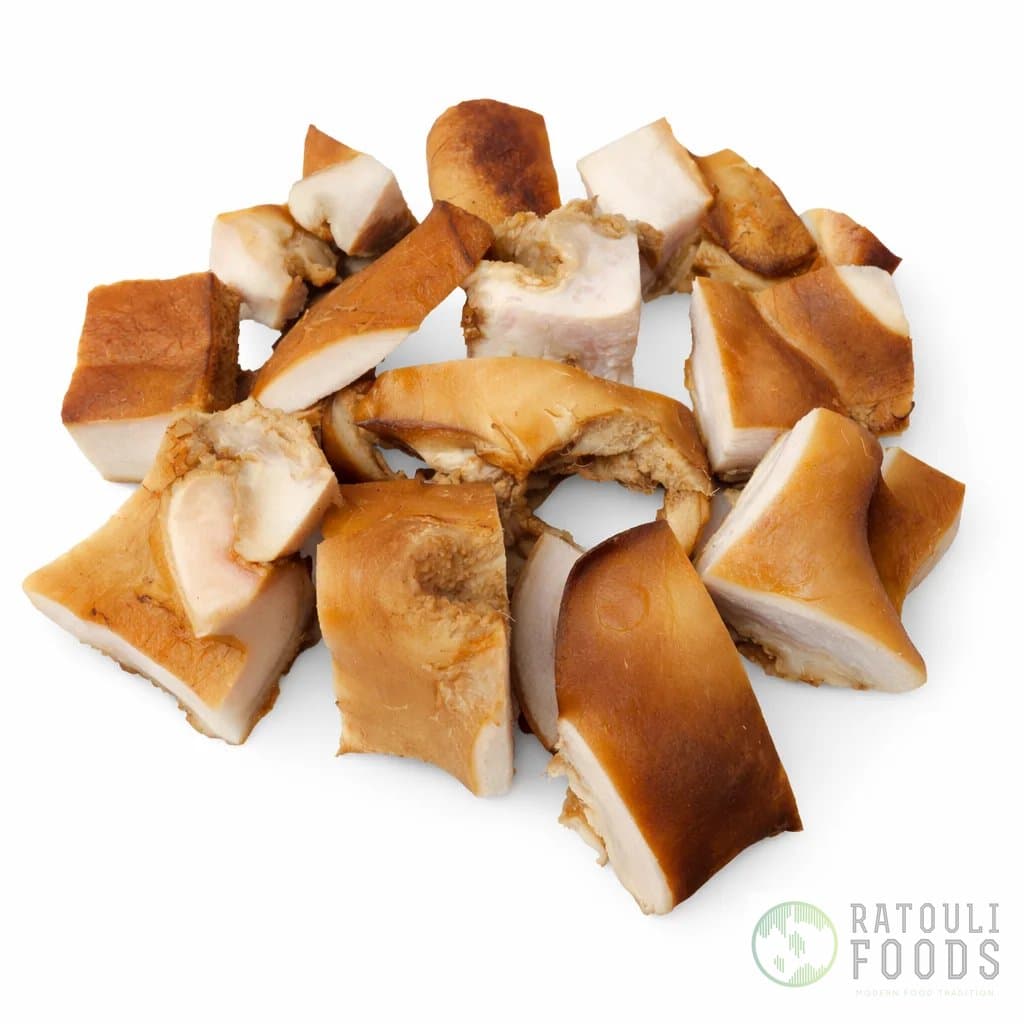
Ponmo is edible cow skin, and it goes into the dishes that taste like home. Egusi soup, ofada and ayamase, efo riro, okra and ogbono, abula, ewa agoyin, pepper soup, and peppered ponmo small chops at parties. In Ghana the same skin is wele, cooked into waakye. It thickens the pot and adds chew.
What ponmo is, and why it ends up in so many pots
Ponmo is cow skin. You take the outer hide, clean it, take the hair off, then cook it. That is the whole story. It is not tripe. Tripe is Shaki, the stomach lining. And it is not the firm pocket some people call beef reed, which is Abodi, the abomasum. Three cuts, three jobs in the pot. I sell all of them, so I get the mix-up by phone most weeks.
The reason ponmo lands in so many dishes is texture. It is chewy and gelatinous. Sit it in a hot pot long enough and it breaks down into gelatin, and that gelatin gives the soup body and a bit of thickening you cannot fake with a stock cube. So cooks reach for it twice. Once for the bite, once for what it does to the sauce.
On nutrition I keep it honest. Ponmo is lean and low in fat, mostly collagen, so on its own it is not a complete protein. You eat it next to fish, goat, chicken or beef, not instead of them. People call it the common man's protein for a reason, and that is a compliment to the cook.
One more thing before you shop. There are two grades. Brown or burnt ponmo has the hair singed off over flame, so it comes out darker, firmer and smoky. White ponmo is scalded and shaved with no flame, so it stays paler and softer and reads as cleaner. The thick, prized regional one is Ponmo Ijebu from Ogun State. Most of the dishes below take the burnt grade, because the smoke earns its place in a heavy soup.
Sourcing for your store or wholesale?
Request a quote or browse the full catalogue.
Egusi, ofada, ayamase and the heavy soups
This is the home ground. Ponmo in egusi is almost a default. You build the egusi with melon seed, palm oil, leafy greens and your assorted meat and fish, and the cut ponmo goes in to soak up the sauce and add chew between the soft bits. By the time the soup is done the skin has given off enough gelatin to make the whole pot cling to the eba or pounded yam. That is the point of it.
The same logic carries the rest of the draw and stew family.
- Ofada and ayamase. The smoky green pepper stew that eats with ofada rice is an assorted-meat affair, and ponmo belongs in it next to the shaki and the beef. The burnt grade matches the locust bean and the dark heat of the sauce.
- Efo riro. The Yoruba spinach stew. People drop ponmo in for body and so there is something to chew on with the greens.
- Okra and ogbono. The two draw soups. Ponmo holds its shape in the slip and gives the spoon something to catch.
- Pepper soup. Lighter and hotter, often the morning-after pot. Cut the ponmo small, let it go soft in the broth with the spice and scent leaf.
For all of these you want burnt ponmo, sold cleaned and cut so you are not standing over a flame in your own kitchen. If you cook shaki and abodi into the same assorted-meat pots, our shaki guide and abodi guide cover those two cuts the same way this post covers ponmo.
Abula, ewa agoyin and the everyday plates
Ponmo is not only a Sunday soup ingredient. It runs through the cheaper everyday plates too, which is part of why people miss it so badly when they cannot find it abroad.
Abula is the Yoruba combination plate, amala with gbegiri and ewedu, and the stew that crowns it carries assorted meat. Ponmo is one of the regulars in that stew, sitting next to the beef and the shaki. It is the cut that makes the plate feel full without costing much.
Ewa agoyin is the soft mashed beans with that dark, sweet-hot pepper sauce. Strictly the beans and the sauce are the dish, but plenty of people lay ponmo on top, or cook it into the sauce, so there is a chewy bite against the soft beans. On a Lagos street that is a normal ask. In a diaspora kitchen it is the small detail that makes the plate read as the real thing instead of a near miss.
That near-miss feeling is the whole reason I started carrying ponmo frozen. You can find beans and palm oil in most cities in Europe. The skin is the part people drive an hour for, or give up on. When the ponmo is in the freezer, the home plate is back to full.
Peppered ponmo: the party and street version
Now the fun one. Peppered ponmo is ponmo as the main event, not a soup ingredient. You boil the cleaned skin until tender, cut it into bite pieces, then toss it in a peppery sauce of blended scotch bonnet, onion, a little oil and seasoning. Sometimes you finish it hot in a pan so the edges catch. Served on a stick or in a small bowl, it is one of the classic small chops at any owambe, any party, any street corner with a grill.
This is where the chew works for you instead of in the background. There is no soup to hide in, so the bite of the skin and the sting of the pepper are the dish. At a party tray it sits next to the puff puff and the asun, and it disappears first. If you have ever wondered why ponmo dishes get talked about with so much feeling, peppered ponmo is the reason. Finger food that tastes like a celebration.
For peppered ponmo I would still reach for the burnt grade. The smoke from the flame stands up to the scotch bonnet, and the firmer bite holds together when you cut and fry it. White ponmo works if you want it softer and milder, but the brown one is the party standard.
Ghanaian wele in waakye, and the same skin across borders
Cross into Ghana and the skin does not disappear, it changes name. In Akan and Twi ponmo is wele. You will also see welle, wale, or kahuro. Same cow skin, same collagen, cooked into Ghanaian staples instead of Nigerian ones.
The headline dish is waakye, the rice-and-beans plate cooked with dried millet or sorghum leaves that turn it that deep reddish brown. A proper plate of waakye comes loaded, and wele is one of the things people pile on next to the shito, the gari, the egg and the stew. Wele waakye is a normal weekday order in Accra. It is also one of the dishes Ghanaians abroad name first when they talk about what they cannot get right outside home.
The skin travels under a lot of names, which matters if you are shopping in Europe and the English label is hiding it. A short map.
| Language or group | What they call ponmo |
|---|---|
| Yoruba | Ponmo, also pomo, kpomo, kponmo |
| Igbo | Kanda, akpukpo anu |
| Hausa / Northern Nigeria | Ganda, ganada, fata, awo |
| Edo / Igala | Ohian / ano |
| Ghana (Akan, Twi) | Wele, welle, wale, kahuro |
| French / Ivorian | Peau de boeuf, kplo (smoked) |
| Plain English / UK retail | Cow skin, beef skin, beef mask |
One trap when you search in Europe. The literal local words mostly return leather, not food. Dutch koeienhuid or runderhuid, German Kuhhaut or Rinderhaut, Spanish cuero de res, Italian cotenna di manzo, Portuguese pele de boi. Type those alone and you get tanneries. Pair them with the African name and you find the food. That gap is exactly why I list it under both.
We sell it frozen at -18 C under the Afri-mama brand: cow skin head mask and cow skin from legs, burned, in 12 x 1 kg and 24 x 500 gram, with white ponmo available. EU approval NL208262EG, HACCP in place, a public NVWA inspection record, packed in Volendam and delivered DAP across NL, BE, DE, FR, ES, IT and the UK. Demand climbs around the New Yam Festival in August, Eid, December and any big owambe weekend, so order ahead of those if you cook for a crowd.
Sourcing for your store or wholesale?
Request a quote or browse the full catalogue.
Related guides