

How to clean and cook cow feet (bokoto): nkwobi, pepper soup and cow foot soup
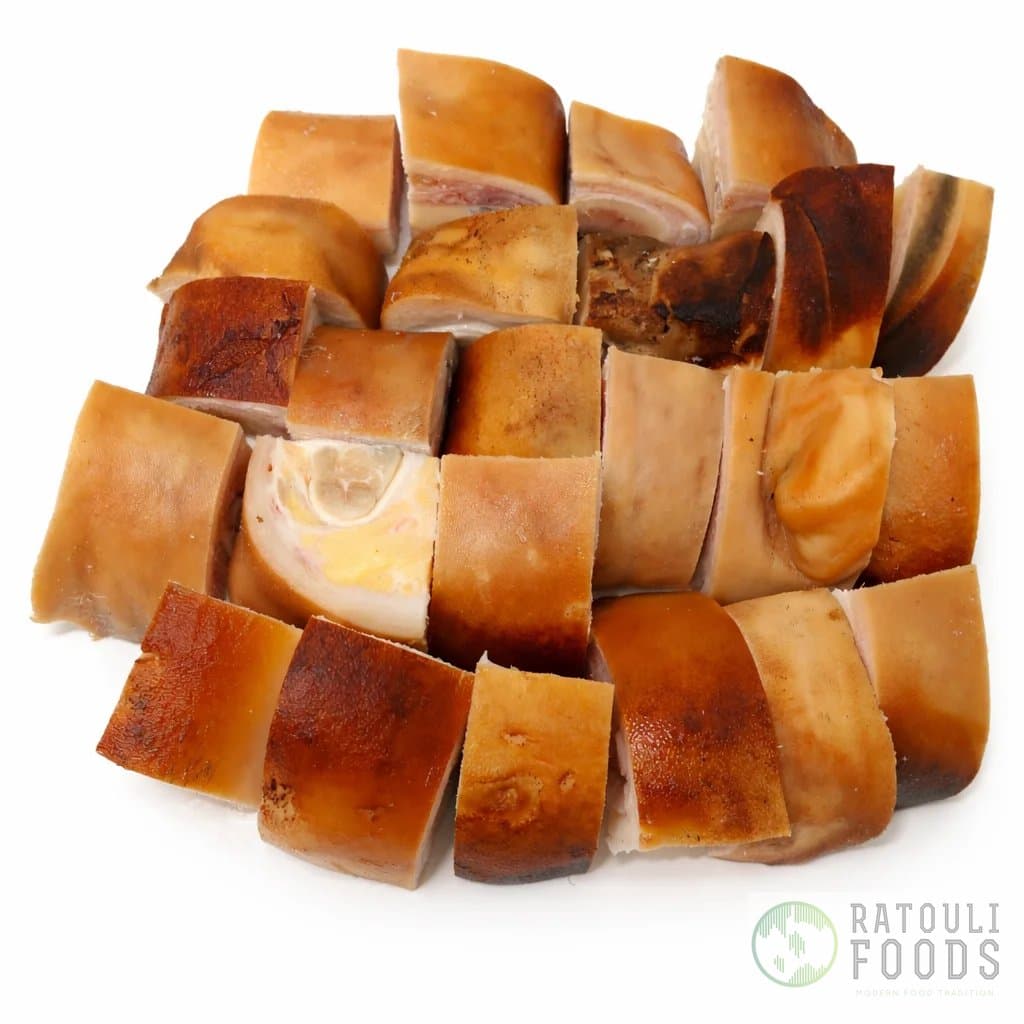
To clean cow feet, singe off any hair, scrape the skin, wash well, then cut at the joints. To cook them, simmer low and slow for two to three hours. They are bone, tendon and collagen with almost no muscle. From there you build nkwobi, pepper soup or cow foot soup.
What you are working with
Cow feet, or bokoto in Yoruba, is the foot and lower leg of the animal. Trotter, hoof, tendons, cartilage, the skin around the bone. There is almost no muscle meat on it. What you are paying for is collagen and gelatine, and that is the point. Cook it slow and the connective tissue melts into the pot. It gives soup a thick, sticky body you cannot fake with a stock cube.
It gets sold under a lot of names. Cow foot, cow leg, beef trotters, cow heel, cow hoof, and bull foot in the Caribbean. Some halal shops in the UK cross-tag it as Paya. Keep it straight in your head from the other cow parts. Bokoto is the foot and lower leg. Not shaki, which is the stomach. Not abodi. Not ponmo, which is the skin. Different parts, different cooking.
Sourcing for your store or wholesale?
Request a quote or browse the full catalogue.
How to clean cow leg before you cook
Most of the cleaning is the hair and the surface. If you bought feet that are already burned, meaning de-haired by machine and then singed over flame, half the job is done. The flame leaves a light-brown colour and a faint smoky note, and the hair is gone. Still, go over it.
- Check for hair remnants. Singe stray hairs over an open flame. A gas burner works fine. Then scrape that spot with a knife.
- Scrape the skin all over with the back of a knife to lift scorched bits and grit.
- Wash under running water. Some cooks rub it with salt, lemon or a little vinegar and rinse again. That is for smell and surface. Not strictly needed, but it does no harm.
- Cut at the joints. The leg has natural breaks where the bones meet. Find the joint, work a heavy knife or cleaver into it, and you can section it without sawing through solid bone. If you want smaller pieces for soup, ask the butcher to cut it, or buy it pre-cut.
That is the full answer on how to clean cow leg. Singe, scrape, wash, cut at the joints. It is not delicate work.
How to cook cow feet: the slow part
Here is the rule on how to cook cow feet. It is bone and collagen, so it needs time and it needs water. Not high heat for a short blast. Rush it and you get rubbery skin and tough tendon. Go slow and you get tender, gelatinous pieces and a stock that sets like jelly when it cools.
Basic method, whatever dish you are heading for:
- Put the cleaned, cut feet in a heavy pot. Cover with water.
- Bring it to a boil, then drop it to a low simmer. Skim the grey foam off the top in the first 15 minutes.
- Season the base with onion, salt and whatever aromatics your dish wants. A pressure cooker cuts the time hard, about 45 to 60 minutes. On the stove, count on two to three hours until the skin is soft and the meat pulls off the bone.
- Keep the cooking liquid. That is your stock. The leg bones on their own, simmered for hours, make some of the best beef stock you will get.
Once the feet are tender you split off toward nkwobi, pepper soup or cow foot soup. Same starting point, three very different finishes.
Three ways to finish it: nkwobi, pepper soup, cow foot soup
One pot of cleaned, simmered cow feet feeds three cuisines. Here is roughly where each one goes.
Nkwobi. The Igbo small chops classic, cow foot in spiced palm oil. For an nkwobi recipe you melt palm oil and bind it with a little potash or baking soda dissolved in water, which thickens the oil into a paste. Stir in ground ehuru (calabash nutmeg), ground crayfish, ground pepper and a touch of salt. Fold the warm cow feet through it, then top with sliced utazi leaves and ugba (oil bean). Served warm in a small bowl, eaten with a toothpick and a cold drink.
Pepper soup. The Nigerian and Ghanaian route. Keep the cow feet in their cooking stock, add pepper soup spice mix, scotch bonnet, onion and ground crayfish, and simmer until the broth is hot and sharp. Light, peppery, no oil paste. Good when someone is cold or feeling rough.
Cow foot soup. The Caribbean and Jamaican version, also called cow heel soup or bull foot soup. Cook the feet down with yam, green banana, cocoyam, dumplings (spinners), thyme, scotch bonnet and a soup mix. It comes out thick and filling, a full meal in a bowl. Jamaican souse is a related cold version, the feet pickled in lime, onion and pepper.
| Dish | Region | Finish |
|---|---|---|
| Nkwobi | Igbo, Nigeria | Spiced palm oil paste, utazi, ugba |
| Pepper soup | Nigeria, Ghana | Light peppery broth, no oil |
| Cow foot soup | Caribbean, Jamaica | Thick soup with ground provisions and dumplings |
A note from the trade
That is the home version. For a shop or a caterer, the cleaning is the slow, messy part, and at volume it eats your prep hours fast.
We ship cow feet under our Afri-mama brand already burned and cut, frozen at -18 C. De-haired and singed over flame, so the colour is right and most of the hair work is done before it reaches you. We do whole feet in 20 kg cartons, cow legs cut in 10 x 1 kg and 20 x 500 gram, the leg bones alone in 24 x 500 gram for stock, and cow skin from the legs separately. EU approval NL208262EG, HACCP, a public NVWA record, delivered DAP across NL, BE, DE, FR, ES, IT and the UK. One SKU covers nkwobi, pepper soup, Caribbean cow foot soup and Surinamese soups at once. Demand climbs around the New Yam Festival in August, around Eid, in December and any big party cooking, so order ahead of those.
Sourcing for your store or wholesale?
Request a quote or browse the full catalogue.