
The margins on cow feet: one SKU that earns across communities
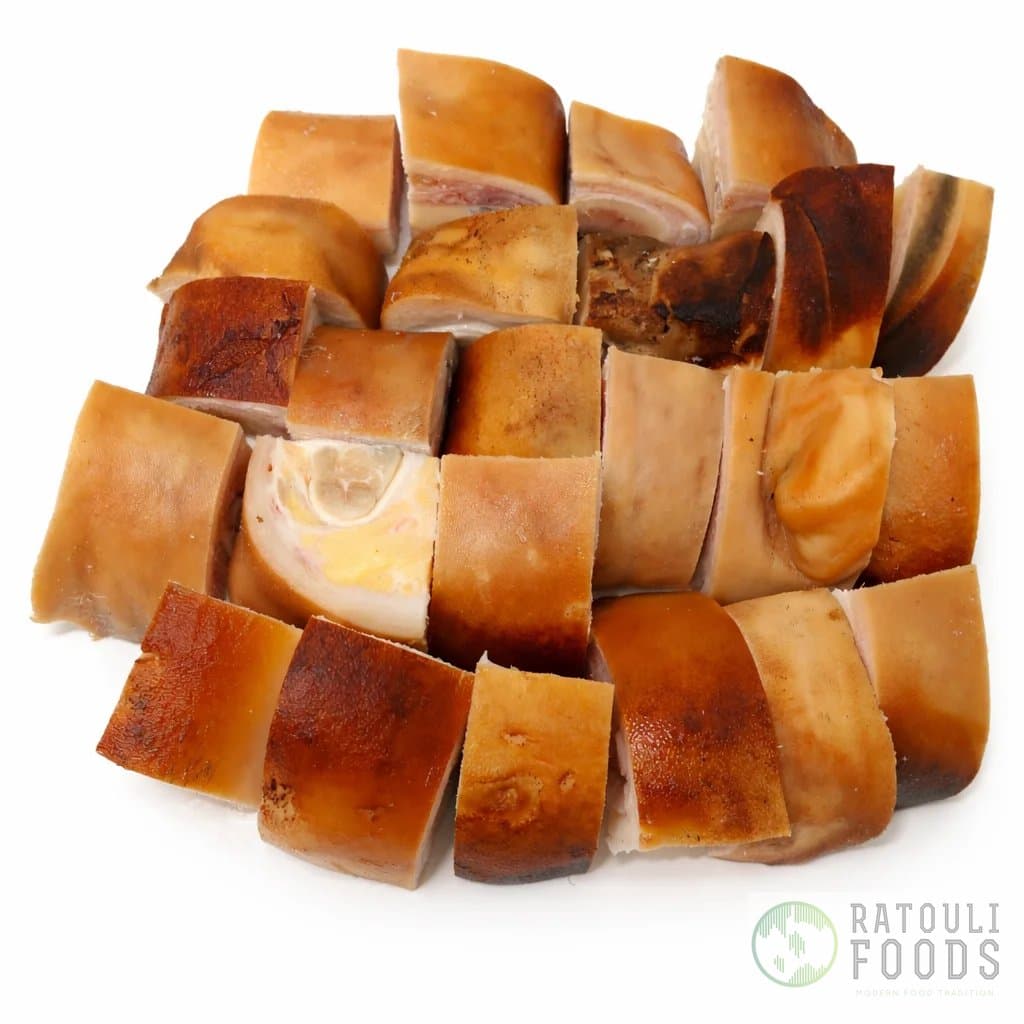
Cow feet, bokoto in the diaspora trade, is the foot and lower leg of cattle. Your margin is the gap between your landed case cost per kg and what your accounts will pay, with stores reselling frozen at roughly GBP 4 to 9 per kg. One SKU feeds Nigerian and Caribbean kitchens at once, so it reorders. What follows is the method, not a quote.
What bokoto actually is, and why one name covers many buyers
Get the product straight before you price it. Burned cow feet, bokoto in Yoruba, is the foot or trotter and the lower leg of cattle. Bones, hoof, tendons, cartilage and skin, with almost no muscle meat on it. Nobody buys it for the meat. They buy it for the collagen and gelatine, which cook down slow and give soup a full, sticky body and stock a deep base.
Burned, gebrand in Dutch, means the feet are machine de-haired and then singed over open flame. That takes off the hair, leaves a light-brown colour and a mild smoky note. It is the same product the trade lists under a pile of names: cow foot, cow feet, cow leg, beef feet, beef trotters, cow's trotter, cow heel, cow hoof, and the Caribbean bull foot. Some UK halal shops cross-tag it as Paya, the South-Asian name. Igbo buyers want it for nkwobi, cow foot in spiced palm oil with ugba, utazi, ehuru and crayfish. Caribbean accounts sell cow heel soup, cow foot soup, bull foot soup and cow heel souse in Jamaica and Trinidad. There is even a cross-diaspora thread here: the Angolan and Brazilian mocoto comes from Kimbundu mbokoto, plausibly a cousin of the Yoruba bokoto.
Why this lands on your invoice is simple. One frozen SKU feeds Nigerian, Ghanaian, Caribbean, Congolese and Surinamese kitchens. You are not betting on one community. You are stocking a line several of your accounts already cook every week. Keep it strictly apart from Shaki, the honeycomb tripe, Abodi, the beef reed, and ponmo, the cow skin. Bokoto is the foot and lower leg. Mislabel it and you confuse the buyer and your own reorder data along with him.
Sourcing for your store or wholesale?
Request a quote or browse the full catalogue.
The two numbers behind your frozen cow foot margin
Margin on offal is not complicated. Two numbers and the gap between them.
Number one is your landed cost per kg. Take the case price, divide by the kilos in the case, then add your share of freight and handling. That share stays low when the product ships frozen at -18 C and arrives DAP, because getting it to your door sits with the supplier instead of buried in your own logistics. A whole-foot 20 kg carton and a 10 x 1 kg cut case will not land at the same per-kg cost, so run each format on its own line.
Number two is your ceiling: what your afro-store and Caribbean-store accounts will actually pay. Their resale sets it, the shelf price they can charge without losing the sale. In the UK that shelf band runs roughly GBP 4 to 9 per kg depending on cut and presentation.
Your gross margin is your sell price to the store minus your landed cost, divided by your sell price. Set your wholesale list under the store's shelf with enough room for them to earn, or the line stalls and they call a second importer. The bokoto margin lives in that gap. You widen it by buying well and holding your list firm in the busy weeks, not by squeezing the store.
Reading the UK retail bands honestly
I will be straight with you. Nobody can hand you a cow feet wholesale price that holds across every city and every month. Cow foot moves with the cattle market, with freight, and with how many containers landed that week. What I can give you is the band the stores below you work inside, so you set your list with their resale in view.
Treat the table as a working frame, not a quote. It is the retail end. Your job is to sit your wholesale price under it.
| Cow foot on the store shelf | Typical UK retail band | Who buys it |
|---|---|---|
| Whole or large bone-in foot, frozen | GBP 4 to 6 per kg | Pepper soup and big assorted pots, value buyers |
| Cut or sectioned cow leg, even pieces | GBP 6 to 8 per kg | Nkwobi, cow heel soup and souse, buyers who want no prep |
| Clean cut, well-dressed, festival presentation | GBP 8 to 9 and up per kg | Occasion cooking, Eid and December spreads |
Read the cow foot price per kg at retail first, then back into your own. If a store sells clean cut cow leg at GBP 7.50 and needs a working margin, your wholesale has to land well under that. The cut and dressed grades carry the better band because they save the store and the home cook real time. That premium is partly yours to hold if you supply the line already sectioned.
Pack-size economics, and the leg-bones line as a cheap stock SKU
Format is where a lot of margin is won or lost. It decides prep, waste, and who in your channel can carry the line at all. We run cow feet whole in 20 kg cartons, cow legs cut in 10 x 1 kg and 20 x 500 gram, and cow leg bones in 24 x 500 gram, all frozen at -18 C.
- Whole, 20 kg carton. Cheapest per kg, heaviest to handle. It suits accounts that butcher and portion in-store and want the lowest landed number. Bone-in and uncut, so the store carries the prep.
- Cut, 10 x 1 kg and 20 x 500 gram. The 1 kg bag is the everyday home pack. The 500 gram bag widens the buyer pool to smaller households and lets a store hit a sharp shelf price point. Cut and sectioned means no band-saw work for your account, which is why these grades sit higher in the retail band.
- Cow leg bones, 24 x 500 gram. This is the quiet one. Leg bones sold alone are excellent for stock. A cheap stock SKU you list low, move steadily, and use to fill a case. A store that buys cut cow leg usually wants the bones too, for soup bases and for customers who cook stock at home. We also carry cow skin from the legs as a separate line, which slots in next to ponmo on the same order.
The practical point: offer the format the account can actually sell. A small store cannot move a 20 kg whole carton fast, but it will reorder 20 x 500 gram and a case of leg bones all month. Match format to channel and the line turns over instead of sitting in their freezer eating into your next order.
Why one SKU reorders across Nigerian and Caribbean buyers
Here is the quiet part, and it is where the money is for a distributor. Cow foot is not a hero line you ride for one season. It is a dependable one, and it has a rare property in this trade. A single SKU sells into two large communities at once. The Nigerian and Ghanaian buyer wants it for pepper soup and nkwobi. The Caribbean buyer wants the same foot for cow heel soup and souse. The Congolese buyer cooks pieds de boeuf. The Surinamese buyer puts it in soup. You stock one frozen line and it pulls reorders from accounts that serve very different kitchens.
That cross-community pull is what makes bokoto sticky. A store comes for cow foot, sees you list the cut sizes, the whole carton and the leg bones, and consolidates the order on you instead of splitting it. Carry it next to your Shaki, Abodi and ponmo lines and they pull each other. The assorted-meat pot wants several of them together, so an account that finds the full set rarely calls a second importer. And second importers have a habit of taking the whole basket once they get a foot in the door.
Then stock the calendar. Demand is not flat. It climbs hard for the New Yam Festival in August, around Eid, through December, and for party cooking the year round, when families cook assorted meat, nkwobi, cow heel soup and big festival pots. Carry deeper cut sizes and leg bones into those weeks, hold your wholesale list steady or firm it, and your margin per kg rises without touching the product. As a frozen cow foot supplier shipping at -18 C, delivered DAP across NL, BE, DE, FR, ES, IT and the UK, EU approval NL208262EG with HACCP and a public NVWA inspection record, you give your accounts one less reason to split the order. If you want the companion read, our Shaki retail-margins post walks the same maths from the store's side, and the Abodi and ponmo distributor guides cover the lines that ride in the same pot. That is how a steady, cross-community line becomes a reliable earner.
Sourcing for your store or wholesale?
Request a quote or browse the full catalogue.