
Kippenworst or vleesworst: the difference and which to choose
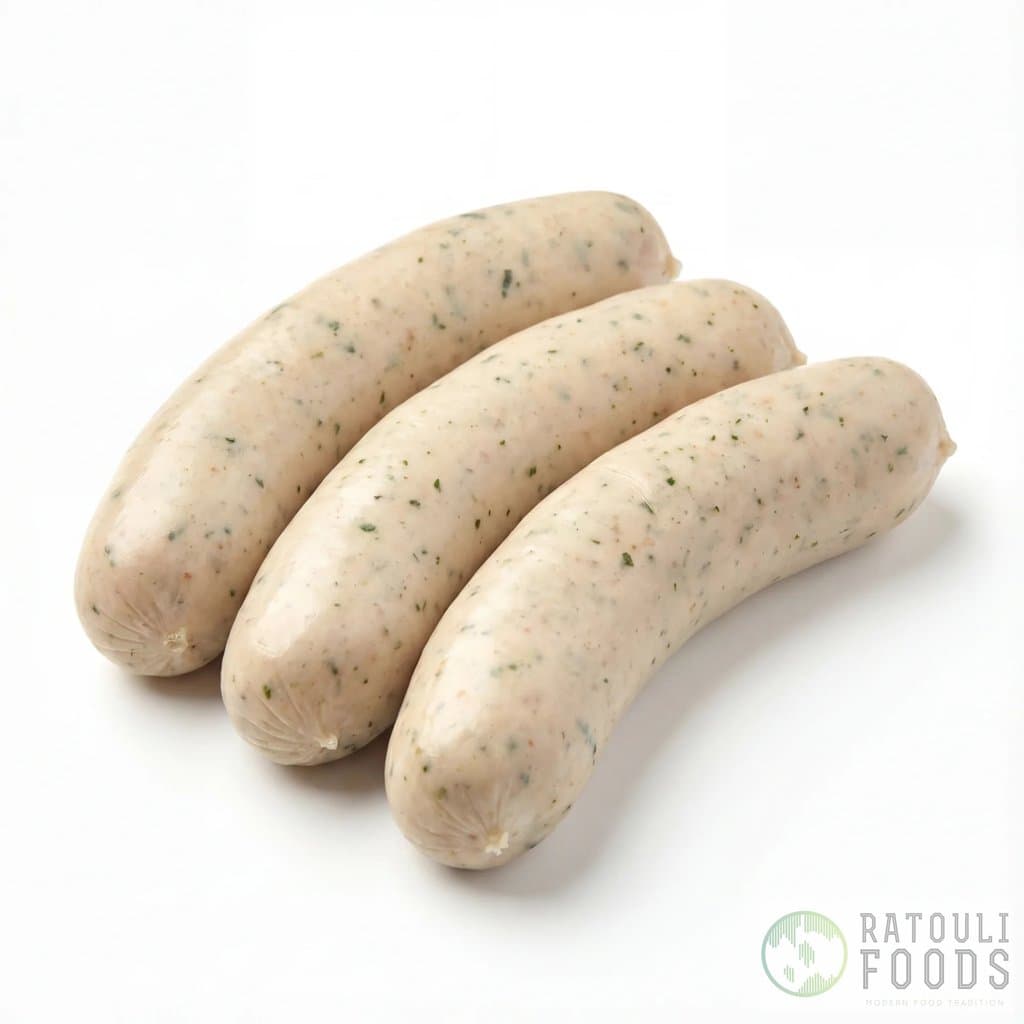
Kippenworst is made from 100% kip, with no pork and no beef, so it suits buyers who skip pork. Classic Surinaamse vleesworst is the broader name and is usually beef, pork, or a half-om-half blend. Avoid pork? Pick kippenworst. Want the original taste? Classic vleesworst.
The short answer first
I get this question at the toko counter most weeks. Is the worst kip or varken? Honest answer: it depends on which worst you are holding.
Vleesworst is the umbrella name for a coarse, heavily peppered Surinamese meat sausage. It does not point to one fixed meat. The classic version sold from the Bijlmer stalls is made entirely from beef. The version most home cooks and tokos make uses pork, or a half-om-half blend of beef and pork with speklap. Then there is kippenworst, a newer 100% kip line built for buyers who do not eat pork.
So when someone searches vleesworst kip of varken, the real answer is to read the label, because all three exist under names that sound almost the same. Below I lay out what each one is, then tell you which to choose.
Sourcing for your store or wholesale?
Request a quote or browse the full catalogue.
What classic Surinaamse vleesworst actually is
Classic vleesworst is street food before it is a supermarket pack. Picture the warm-worst stall at Amsterdamse Poort in the Bijlmer, in front of Slagerij Nico, six days a week. The sausages sit pre-cut in a spiced kruidenbouillon, with celery and Madame Jeanette pepper keeping them warm, served in paper with sambal. That stall makes its worst from beef on purpose, so Hindu and Muslim customers can eat it. With that beef version the diner squeezes the filling out of the beef casing rather than eating the skin. It is the real-world precedent for no-pork Surinamese worst, and it has been there for years.
The home and toko version is a different recipe. Most cooks reach for pork, or a half-om-half blend with speklap, bound with egg and milk-soaked bread. The seasoning is where it comes alive. Fresh pepper, garlic, onion, celery, beef bouillon and a pinch of ajinomoto. It gets stuffed into varkensdarmen and steamed for about 45 minutes.
However you make it, the eating ritual stays the same. Hot, sliced, warmed in spiced bouillon, eaten as a snack or stuffed into a broodje, always met peper en zuur. That is the taste people grew up with, and it is the taste the classic line protects.
What kippenworst is, and why it exists
Kippenworst, also written kipworst, is the 100% kip line. No pork, no beef, no lamb. It is the no-pork counterpart to the classic worst, and it usually comes in a vegetarian casing rather than an animal one, so the whole sausage works for buyers avoiding pork.
This did not appear out of nowhere. The Surinamese community in the Netherlands is around 365,000 people, the largest Caribbean community in Europe, and it includes Creole, Hindostani and Javanese families. Vleesworst grew up in the Afro-Surinamese kitchen. The no-pork reformulation simply widens the table, so Hindostani and Muslim buyers get the same peppered, savoury worst without the pork. The beef stall in the Bijlmer solved this one way. A 100% kip worst solves it another.
A word on the halal question, because shoppers ask it straight out. Surinaamse kippenworst is made with 100% halal ingredients, 100% kip, no pork and no beef. That is the simple, factual description, and it is what I will stand behind.
Kippenworst vs vleesworst, side by side
Here is the comparison I would draw on a napkin for you. Kippenworst vs vleesworst, the parts that decide which one goes in your basket.
| Point | Classic vleesworst | Kippenworst (kipworst) |
|---|---|---|
| Main meat | Beef (market version), or pork / half-om-half (home and toko version) | 100% kip, no pork, no beef, no lamb |
| Casing | Beef or varkensdarmen, depending on the recipe | Often a vegetarian (non-animal) casing |
| No-pork buyers | Only the beef market version works | Built for no-pork buyers |
| Ingredients | Not by default | 100% halal ingredients, 100% kip, no pork and no beef |
| Taste | The original, fuller and richer, especially with pork or speklap | Lighter, leaner, still well peppered |
| How to eat | Hot and sliced, warmed in bouillon, in a broodje, met peper en zuur | Cooked and reheated, or fried, same peper en zuur |
| Allergens to check | Egg, milk, gluten from the bread binder | Selderij, soja, gluten |
One line to remember. If pork is off the table, the question vleesworst kip of varken answers itself: kip.
So which one should you choose
For most of my no-pork customers the choice is simple. Kippenworst. You get the peppered Surinamese taste, in a casing you can eat, with no pork and no beef in it. It reheats or fries in minutes and takes the same peper en zuur as the original. That is why the kip line keeps growing.
If you grew up on the classic and you eat pork, the pork or half-om-half vleesworst is the fuller, richer one, and I would not talk you out of it. If you want the original but skip pork, the beef market style is your worst, the same one the Bijlmer stall has served for years.
Cooking for a mixed crowd at Kwaku, Keti Koti or a Sunday with family? Put both on the table. Kippenworst so everyone can eat, and the classic for the people who want the taste they remember. For shops and tokos, we run retail packs at 500g and 1kg plus bulk cartons, branded or unbranded, with DAP delivery across the EU and UK, cold chain held at -18 C, EU approval NL208262EG, HACCP-compliant. Tell me whether your buyers want kip, beef or pork, and I will load the right boxes.
For the 100% chicken, no-pork option: is crispy vleesworst halal?
Sourcing for your store or wholesale?
Request a quote or browse the full catalogue.
Looking for the crispy 100% chicken version? See our sister brand Crispy Vleesworst.