
The Surinaamse worstplankje: vleesworst, bloedworst, kippenworst and fladder together
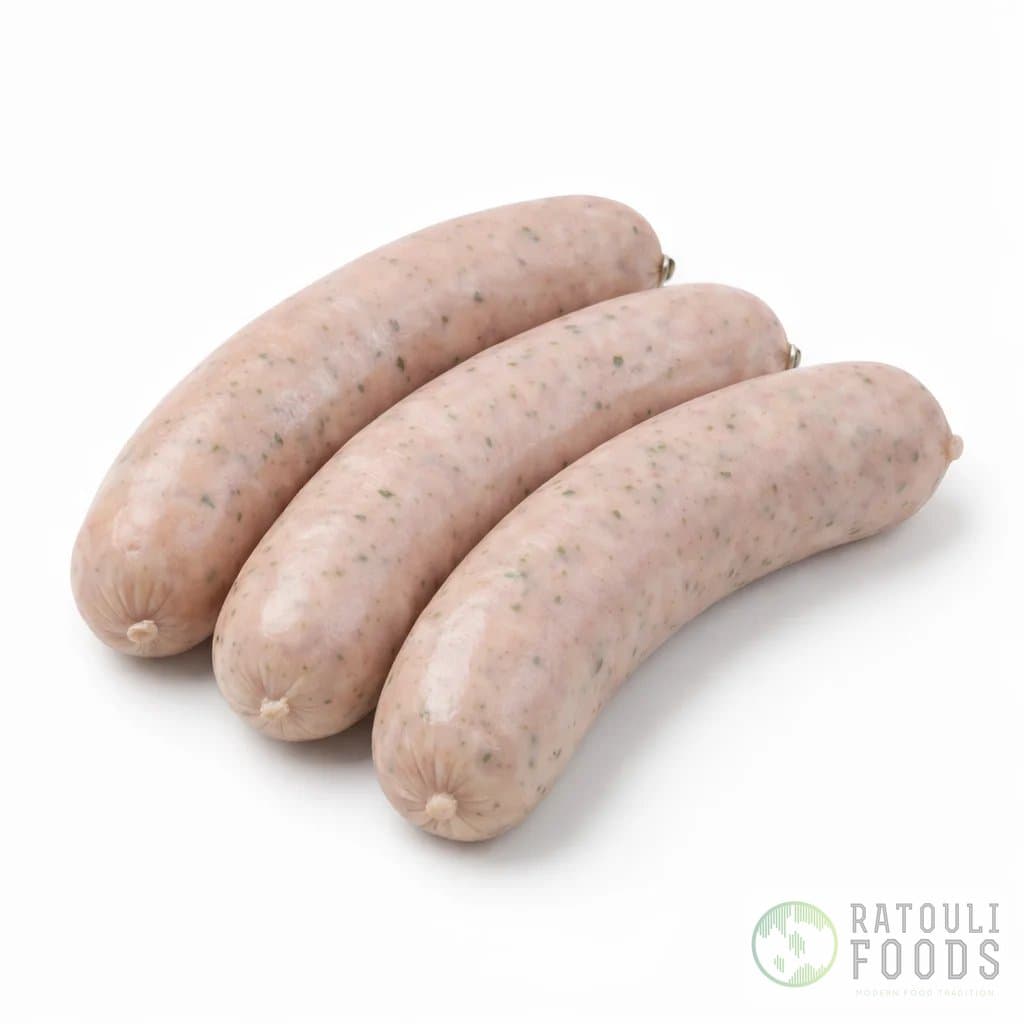
A Surinaamse worstplankje is a warm sharing board built from four things: sliced vleesworst, bloedworst, kippenworst and strips of fladder. You keep them hot in a spiced bouillon, lay them out together, and serve them with peper en zuur and bread. That is the whole idea.
What goes on the board, and why all four
A worstplankje is not one sausage. It is a small spread. The kind a warm-worst stall in the Bijlmer puts together six days a week, right in front of the butcher, pre-cut and held hot in a heavily spiced kruidenbouillon. At home you do the same thing on a board, so people can reach in and build their own bite.
The four pieces each do a different job.
- Vleesworst is the coarse, heavily peppered Surinamese meat sausage. The classic is pork, or a half-om-half blend with speklap, bound with egg and milk-soaked bread, seasoned with fresh pepper, garlic, onion, celery and beef bouillon, stuffed into varkensdarmen and steamed about 45 minutes. The street version from the Bijlmer stalls is made entirely from beef, in a beef casing, so you squeeze the filling out rather than eat the casing.
- Bloedworst is Surinamese blood sausage. Traditionally pork blood with breadcrumbs, onion, sea salt, ginger, sugar and marjoram in a pork casing, boiled. It is coarser, less sweet and less creamy than a French boudin noir. Beef-blood and chicken-blood versions exist for buyers who avoid pork.
- Kippenworst is the 100% chicken line, eaten cooked-and-reheated or fried. It is the no-pork counterpart to the classic, so a mixed table has something for everyone.
- Fladder is the Creole beef-offal piece, sliced into strips and simmered slowly. More on that below, because it deserves its own paragraph.
Lay them next to each other and the whole range sits on one board. Rich and peppery, dark and earthy, lean and mild, and the chew of worst en fladder right alongside. That contrast is the point.
Sourcing for your store or wholesale?
Request a quote or browse the full catalogue.
Fladder, with respect
Fladder is beef offal. The most authoritative sources, including public broadcaster KRO-NCRV, point to the lebmaag, the cow's fourth stomach. Some general sources loosely call it pens or runderpens. You soak it overnight, slice it into strips, and cook it slowly in a soup-vegetable bouillon with Madame Jeanette peppers until it is tender. Then it goes on the board in strips, next to the hot sausages. We sell it under the Surinaamse Worsten brand, cooked and uncooked. The uncooked is the cleaned raw offal you simmer yourself.
Worst en fladder belong together on the same board. But fladder is not a novelty item, and we do not treat it like one. Fladder and bloedworst carry a real Afro-Surinamese history. These were the scraps the enslaved were handed, and they turned them into something worth sharing. When you put them on a table at Keti Koti, you put that history on the table too. Cook it well, season it properly, and serve it with the same care you would give any dish you are proud of.
The bouillon is what makes it a worstplankje
The one thing that turns four sausages into a real worstplankje is the bouillon. The stall in front of the butcher does not just heat the worst. It holds everything warm in a spiced kruidenbouillon built on celery and Madame Jeanette pepper, and that broth keeps the sausages juicy and carries the heat through every slice.
At home, build a pot of bouillon first. Then warm the sausages and fladder in it.
- Start with water, beef bouillon, plenty of celery (leaves and stalk), onion and garlic.
- Drop in a whole Madame Jeanette or two. Keep them whole for aroma without raw heat. Burst them if you want the table to feel it.
- Simmer the fladder strips here until tender. They take the longest, so they go in first.
- Slide the vleesworst, bloedworst and kippenworst in to warm through. Bloedworst only needs to heat gently, it is already cooked.
- Lift everything out, slice the sausages on the diagonal, and keep a small bowl of the hot bouillon next to the board so nothing dries out.
This is the same logic as the toko broodje. A puntje filled with worst, pom, bakkeljauw or kip kerrie is always served met peper en zuur, never dry. Your board follows the same rule.
Peper en zuur, bread and the sides
A worstplankje without peper en zuur is unfinished. Peper means a Surinamese sambal, the real heat. Zuur means the pickled vinegar vegetables, sharp and cooling, that cut through the fat of the worst and the richness of the fladder. Put both in small bowls on the board and let people balance their own bite. Hot, sour and fatty held in balance, that is the whole Surinamese way of eating these.
Around the sausages, keep the sides simple and warm.
| On the board | What it does |
|---|---|
| Peper (sambal) | The heat. Non-negotiable. |
| Zuur (pickled vinegar veg) | The sharp, cooling cut against the fat. |
| Fresh puntjes or soft bread | For squeezing vleesworst into, or mopping bouillon. |
| A bowl of hot bouillon | Keeps everything juicy, doubles as a dip. |
| Pom, moksi alesi or telo on the side | Turns the board into a full table for a gathering. |
For a bigger spread, set the worstplankje in the middle and let the rest of the Surinamese kitchen orbit it. Pom, moksi alesi, bara, a pot of heri heri. The board is the warm, shareable centre that people keep coming back to.
Building it for a gathering, and a Keti Koti note
Scale is easy. One board for four people wants roughly one sausage per person across the three kinds, plus a good handful of fladder strips for the table to share. For a larger group, run a second pot of bouillon and refill the board in waves instead of laying everything out cold at once. The food stays hot, and the table stays around it longer.
This is Keti Koti eten at its most honest. Keti Koti on the first of July commemorates the abolition of slavery with shared meals, and a warm worstplankje is exactly the kind of dish that gets passed around. The same products turn up at Kwaku in Amsterdam Zuidoost every summer, where the stalls sell vleesworst, bloedworst and kippenworst next to bara, pom and roti. The 2026 Kwaku runs from 11 July to 2 August. Cooking for Keti Koti, for Kwaku weekend, or just for a Sunday with family, the board does the same work. It gives everyone a reason to reach for the same dish.
One practical note for a mixed table. The classic vleesworst and the traditional bloedworst are pork. The kippenworst is 100% chicken with no pork, and fladder is beef. If you are cooking for Hindu or Muslim guests, build the board around the chicken and beef and the beef-blood or chicken-blood versions, the way the Bijlmer stalls already do for their customers. Everyone gets a worstplankje they can actually eat, which is the point of sharing it in the first place.
Sourcing for your store or wholesale?
Request a quote or browse the full catalogue.
Looking for the crispy 100% chicken version? See our sister brand Crispy Vleesworst.