

Abodi vs shaki: the real difference (reed vs honeycomb tripe)
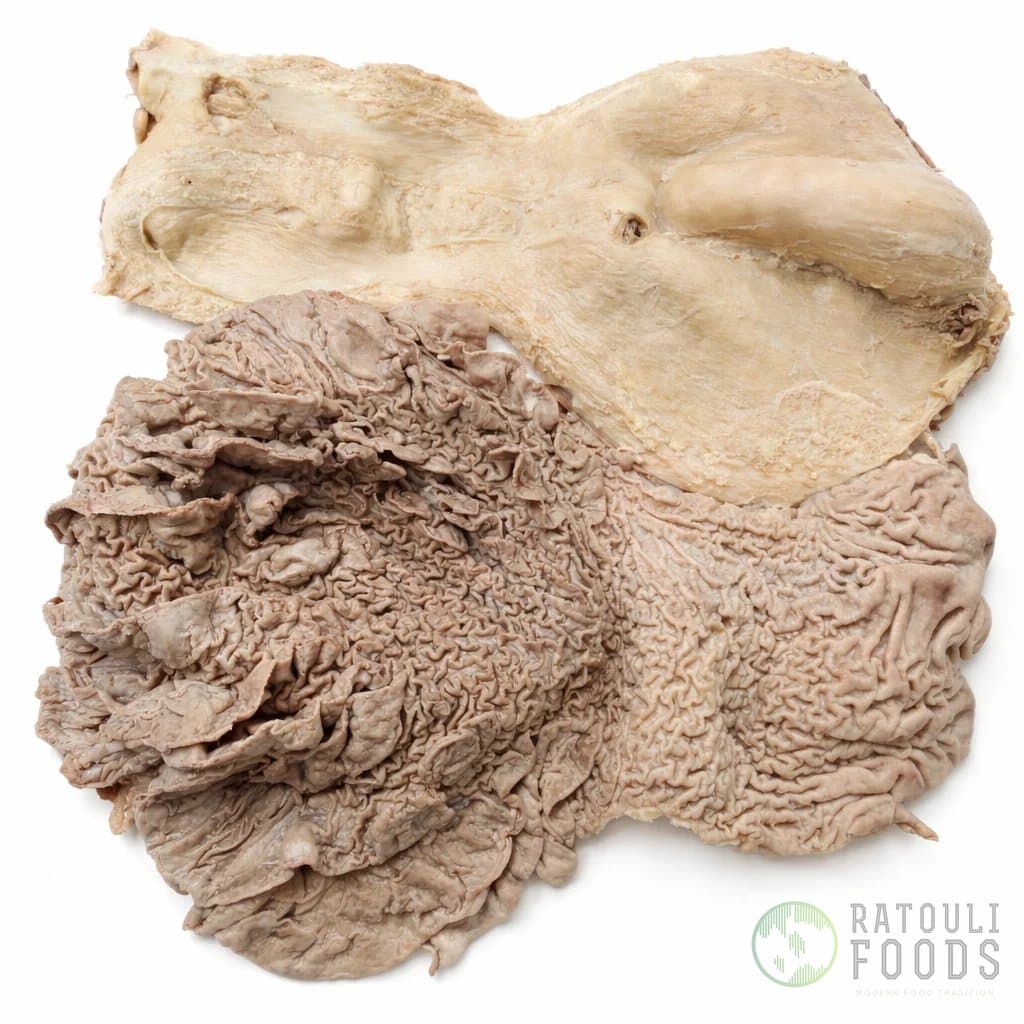
No, abodi is not the same as shaki. Abodi is beef reed, the cow's abomasum or fourth stomach, with a smoother chew. Shaki is honeycomb tripe, the reticulum, chewier and lined like a honeycomb. Same animal, two separate chambers, two different cuts at the counter.
The short answer on abodi vs shaki
Customers ask me this almost every week, so let me settle it. Abodi and shaki come from two different stomach chambers. A cow has four. Abodi is the abomasum, the fourth and last chamber, sold in the trade as beef reed or reed tripe. Shaki is the reticulum, the second chamber, sold as honeycomb tripe because the inside wall looks like a honeycomb.
So when someone asks me if abodi is the same as shaki, the answer is no. They sit in the same animal a few inches apart, but they cook and eat differently. Abodi has a smoother, denser chew and takes pepper and spice very well. Shaki is chewier, with that ridged texture people either love or want cooked right down soft. Both are offal, both are cheap protein done well, and both go in the assorted-meat pot. They are not interchangeable. A customer who knows the trade can tell the moment they bite in.
Sourcing for your store or wholesale?
Request a quote or browse the full catalogue.
Four chambers, four tripes: where each cut sits
Here is the part that clears up most of the confusion. Each of the four stomach chambers gives a different tripe, and the trade names are all over the place. Abodi and shaki are only two of the four.
| Chamber | Tripe type | Diaspora name |
|---|---|---|
| Rumen (1st) | Blanket / flat / smooth tripe | part of assorted tripe |
| Reticulum (2nd) | Honeycomb tripe | Shaki |
| Omasum (3rd) | Book / bible / leaf tripe | part of assorted tripe |
| Abomasum (4th) | Reed tripe | Abodi |
The abomasum is the interesting one. It is the only chamber that works like a human stomach, with acid, pepsin and rennin. That is why people call it the true stomach or the cheese stomach. Rennet, the enzyme that curdles milk into cheese, comes from this chamber, and people have used it that way for thousands of years. So abodi is not scrap. The Italians turn the same abomasum into lampredotto, the Florentine street-food sandwich, and treat it as a delicacy.
One thing I will not pretend about. The labelling in the diaspora trade is a mess. You will see abodi sold as beef reed, reed crown, cow stomach, maw, rennet-bag, and sometimes labelled as something else entirely. The wholesale definition that holds up is simple. Abodi is the abomasum, the beef reed. Everything else is a nickname for the same cut.
Abodi vs shaki side by side
This is the table I wish every shop had taped behind the counter. It is the quickest way to explain shaki and abodi to a customer who is standing there deciding.
| Feature | Abodi | Shaki |
|---|---|---|
| Chamber | Abomasum (4th) | Reticulum (2nd) |
| English name | Beef reed, reed tripe | Honeycomb tripe |
| Texture | Smoother, denser chew | Chewier, ridged honeycomb wall |
| Takes spice | Very well, holds pepper | Well, but needs longer to soften |
| Cook time | Long and slow | Long and slow |
| Best in | Pepper soup, nkwobi, assorted meat | Pepper soup, egusi, assorted meat |
The headline difference is the chew. Abodi is smoother and reads cleaner on the plate, so it carries pepper and spice well. Shaki has more bite, and that honeycomb structure grabs sauce. Neither is better. They do different jobs, and a good cook keeps both.
Which one for which dish
In a mixed pot the tougher offal goes in first, then the rest, so everything finishes tender at the same time. Abodi and shaki both cook long and slow. Rush them and you get rubber.
- Assorted meat (orisirisi): use both. This is the dish that built the demand. Abodi for the smooth chew, shaki for the texture, alongside ponmo and the other cuts.
- Pepper soup: abodi shines here. The smoother reed soaks up the pepper and spice without going stringy.
- Nkwobi: abodi works well in the ofe nkwobi sauce, where you want a cut that holds its shape and carries the seasoning.
- Egusi and ofada / ayamase stew: shaki earns its place. The honeycomb texture holds the thick sauce and gives the pot that proper bite.
Demand for both peaks at the same times. New Yam Festival in August, Eid, and December. That is when assorted meat moves in volume, and that is when a shop wants both abodi and shaki in the freezer, not one or the other.
How a shop should label both so customers find them
This is where money gets left on the table. If your counter or your webshop only says "tripe," half your customers walk past it. The diaspora shopper is searching for the exact word they grew up with. Label for that word.
- Put the diaspora name first and the English name second. Abodi (beef reed) and Shaki (honeycomb tripe). Both names on the same label.
- Keep them as two separate products, never one mixed bag of "tripe." A customer who wants abodi for pepper soup does not want to fish shaki out of the pack.
- Cover the spelling people actually type. Abody, abudi, abuddi for abodi. If your search matches one spelling, you lose the rest.
- Do not blur the lines. Abodi is reed, shaki is honeycomb tripe, ponmo is cow skin, roundabout is small intestine. Four different things. Mislabel one as another and you lose the buyers who know.
For the trade side, this is what we ship from Volendam. Ratouli Foods runs abodi packs in 12 x 1 kg and 24 x 500 gram cases, scalded, cleaned, cut and frozen at -18°C. We are EU approved under NL208262EG, HACCP controlled, with a public NVWA inspection record, and we deliver DAP across NL, BE, DE, FR, ES, IT and the UK. We run a full shaki range too, so a shop can stock both from one supplier and label them the way customers actually search.
Sourcing for your store or wholesale?
Request a quote or browse the full catalogue.
Related guides