
Importing frozen beef reed (abodi) into the EU and UK: approval numbers, HACCP and cold chain
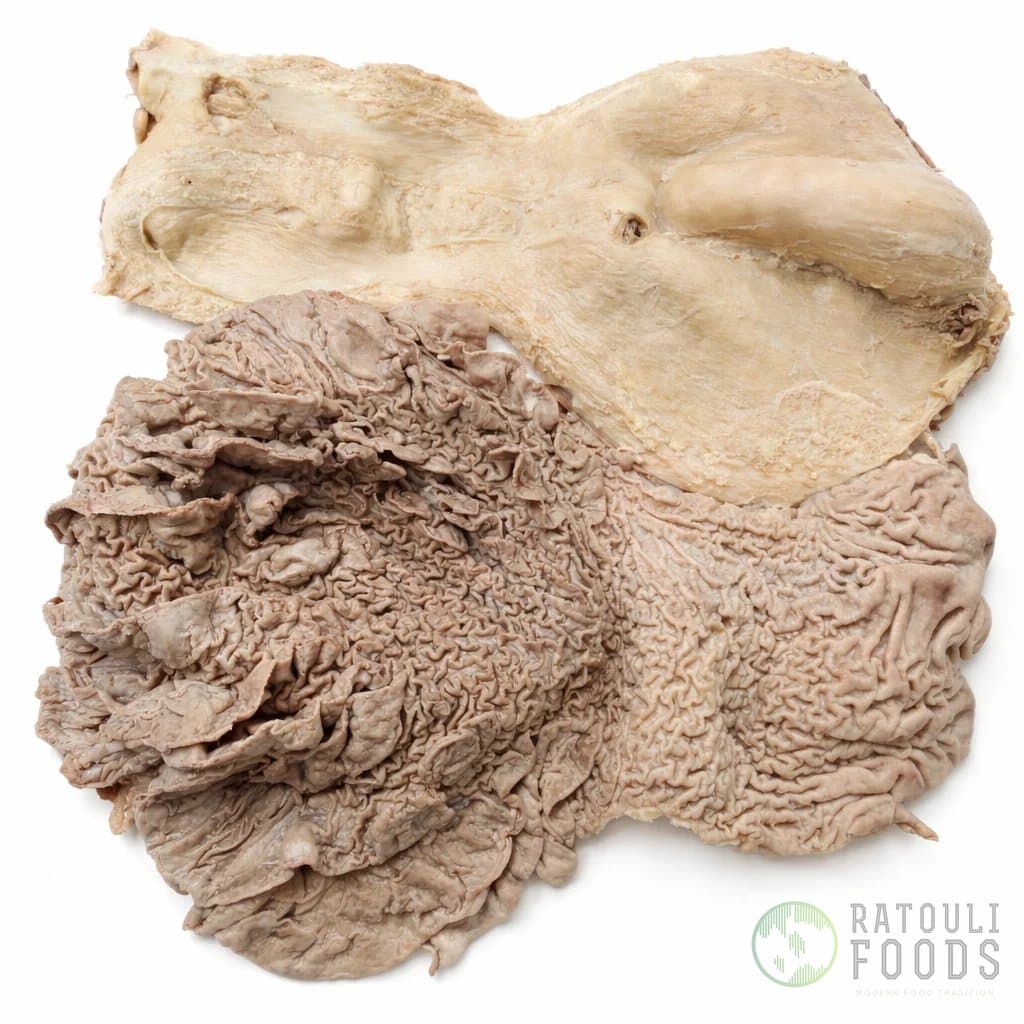
To import frozen beef reed (abodi) you need an EU approved supplier with an establishment number, a working HACCP system with batch traceability, and an unbroken cold chain at -18°C. Inside the EU the goods move in free circulation. Into the UK there is now an extra border step.
What an EU establishment number actually proves
Check the number before you talk price or pack size. Ours is NL208262EG. That code sits on the box and on the paperwork. It is an EU establishment approval number, granted by the NVWA, the Dutch food safety authority. It says the plant handling your frozen offal has been inspected and approved to make food for the EU market, and the inspection record is public.
For a buyer this is the first gate. An EU approved frozen offal supplier has passed plant checks on hygiene, layout, pest control, water and process flow. The number ties a real, approved site to the product sitting in your freezer. If your own customer asks, or an inspector asks, you point straight back to the establishment that made it.
Read the code itself. NL is the country. The digits are the plant. EG marks it as an approved establishment under EU rules. Ask any frozen beef reed wholesale partner for their number before the first pallet moves. No number, no deal.
Sourcing for your store or wholesale?
Request a quote or browse the full catalogue.
HACCP and traceability: from carcass to case
HACCP is the system that finds where things can go wrong and puts a control on each of those points. For abodi, which is the abomasum, the cow's fourth and final stomach, the real work is in the cleaning, the scalding and the holding temperature. The reed gets scalded, cleaned and cut, then frozen. Behind every one of those steps there is a check, and every check gets written down.
Traceability sits on top of HACCP. Every case carries a batch code. From that code we walk back to the production run and the source. You walk forward to the customer you sold it to. If a recall ever hits anywhere in the chain, you want to pull one batch, not empty your whole freezer. That only works when the codes are clean from the start.
What to ask an EU approved frozen offal supplier for:
- The EU establishment number on every case, matching the paperwork.
- Batch codes you can read and log on receipt.
- A short HACCP summary, plus proof the NVWA record is current.
- A clear product spec: scalded, cleaned, cut, frozen, with the pack format stated.
We pack abodi two ways: 12 x 1 kg and 24 x 500 gram cases. Same product, same checks. The case weight changes depending on how your customers buy.
The cold chain at -18°C, door to door
Frozen offal is only as good as the coldest link in the chain, and the rule is -18°C the whole way. We freeze the reed and hold it there. We deliver DAP, frozen, so the goods reach your door already cleared and handled, and the temperature never gets to wander in between.
The cold chain is where a lot of import frozen offal EU shipments quietly fail. Product leaves a good plant at the right temperature, then sits two hours on a warm dock and partially thaws. Refreezing it does not undo the damage. The texture goes, drip loss climbs, shelf life drops. Abodi has a smoother chew than shaki, and that texture is part of what your customers pay for, so it pays to protect it.
On receipt, do three things. Check the product temperature, not just the air in the truck. Note it against the delivery. Get it into your own freezer fast. If a load comes in soft, or shows heavy ice glaze and freezer burn, log it and raise it the same day, while the batch code still ties cleanly back to the run.
Inside the EU vs into the UK after Brexit
This is where the two markets split, and I will be straight about it. Inside the EU, once goods are in free circulation they move between member states with no customs import step. We deliver across NL, BE, DE, FR, ES and IT. A pallet of abodi to a customer in Germany or Italy moves the way a domestic order does. No import declaration, no border health check on the EU leg.
The UK is different now. Since Brexit, a shipment from the EU into Great Britain is an import. That means a customs declaration, the right health paperwork for products of animal origin, and a possible check at the border. It is not a wall. We deliver to the UK. But it is a real step with real paperwork and a bit more lead time. Plan for it instead of getting caught out by it.
| Step | EU to EU | EU to UK |
|---|---|---|
| Customs declaration | No | Yes |
| Border health check | No | Possible |
| Animal-origin paperwork | Within free circulation | Required for the import |
| Lead time | Standard | Add buffer for clearance |
For a UK distributor the honest takeaway is this. The product and the standards are exactly what the EU customers get. The admin around the border is the part that changed. So build a little slack into your ordering for the festival peaks in August and December, when volume jumps.
Getting the naming right on the label and order
The trade is honest about almost everything except naming, so pin it down before you order. Abodi is the abomasum, the true or rennet stomach, the same cut Italians sell as lampredotto. In the diaspora trade you will see it labelled beef reed, reed crown, cow stomach, maw, and sometimes loosely as beef intestine reeds. The labels move around. The cut does not.
Keep abodi clearly apart from shaki, which is honeycomb tripe, and from ponmo, which is cow skin. They cook and chew differently, and your customers know the difference even when a label blurs it. If you stock both, our shaki range and guide covers the honeycomb side.
To buy with confidence into your own market, line up three things: the EU establishment number, the HACCP and traceability proof, and the cold chain commitment at -18°C. We are a B2B wholesaler in Volendam, 14 years in West-African and Surinamese food. We will send all three before you order a single case.
Sourcing for your store or wholesale?
Request a quote or browse the full catalogue.
Related guides