

Moksi alesi with bakkeljauw: one pot, everything in
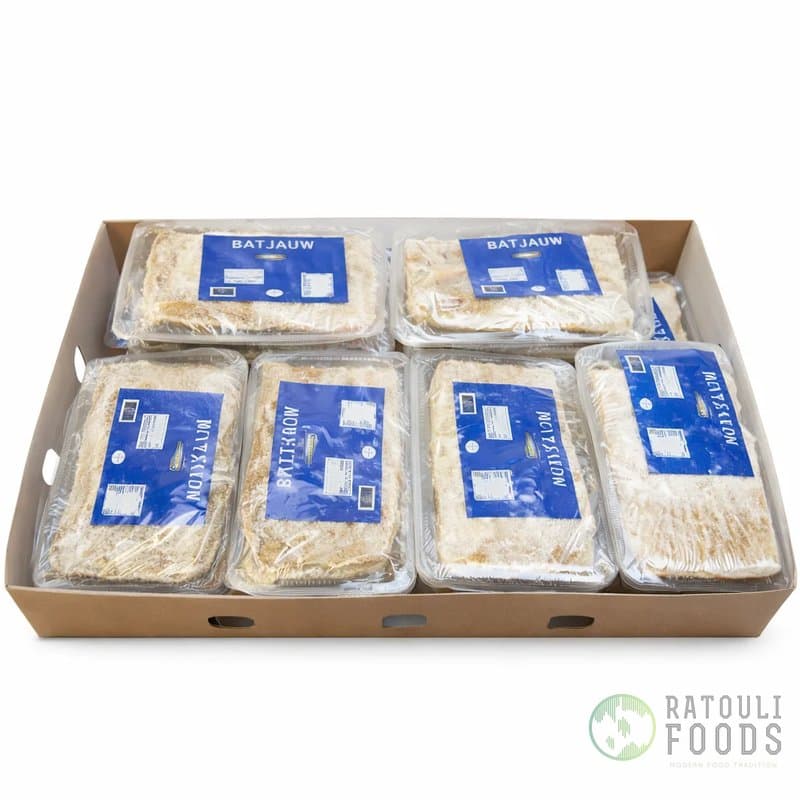
Moksi alesi is a Surinamese one-pot rice dish where rice, beans, vegetables and bakkeljauw cook together in the same pan. The name means mixed rice. You desalt the bakkeljauw first, then build everything in one pot. It feeds a family from one burner in about 40 minutes.
What moksi alesi actually is
Moksi alesi means mixed rice in Sranantongo. It is the dish you make when you want one pot to do the whole job. Rice goes in, beans go in, vegetables go in, a protein goes in, and they finish together so the rice soaks up everything around it. In my family it was the Monday meal, the one that used up what was left from the weekend.
The protein changes by household. Salted meat, chicken, smoked pork. But the version I keep coming back to is moksi alesi bakkeljauw, made with salted white fish. The fish breaks down into soft flakes that spread through the whole pan, so every spoon carries some. It is honest food. One pan, a bit of patience, and dinner is done.
If you have only made plain Surinaamse rijst before, think of moksi alesi as that, except you stop measuring and start layering. The rice is the base. Everything else gets built on top while it cooks.
Sourcing for your store or wholesale?
Request a quote or browse the full catalogue.
The bakkeljauw, and why uitkoken comes first
Bakkeljauw is salted white fish, traditionally also dried. In standard Dutch it is klipvis, also called rotsvis. The name comes from the Portuguese bacalhau, and you will also see it written bakkeljouw, bakkaljauw or batjauw. Most people assume it is salted cod. It usually is not. The fish traded for the Surinamese kitchen is normally saithe, which the Dutch call koolvis, sometimes ling or tusk. Albert Heijn even labels theirs as Alaska pollock. We name the species honestly, because it matters for taste and for trust.
Before any of it goes near rice, you have to desalt it. This step is called uitkoken and it is not optional. The fish is salted heavily enough to keep for up to a year, so straight from the pack it is far too salty to eat. Two ways to do it:
- Boil it 15 to 20 minutes in plenty of water. Drain, taste a small piece, and repeat if it is still sharp.
- Or soak it about 24 hours, changing the water every 3 to 4 hours.
Then rinse it under cold water, squeeze it dry, and flake it with your fingers. Pick out every bone as you go. If you buy filet it is near boneless already, which is why I reach for that on a busy weeknight. The cheaper split-and-salted format on the bone, sold heel or in moten, needs more shredding, and Migas, the small shredded pieces, sits in between.
Building the pot
This is where moksi alesi rewards a little order. Start with the base. Heat oil and soften a chopped onion, garlic and a piece of celery. Add tomato and a spoon of tomato puree, then a Maggi cube for depth. Some cooks add a touch of trassi here for that salted-shrimp background note. Let it cook down for a few minutes, until it smells like a kitchen and not like raw onion.
Now layer in the rest:
- Beans. Brown beans or kidney beans, drained.
- Vegetables. Green beans, carrot, sweet pepper, whatever you have. Cut them small so they cook in the same time as the rice.
- The flaked bakkeljauw you desalted.
- The rice, raw, stirred through so each grain gets coated.
Pour in water or stock, roughly one and a half times the volume of rice, bring it up, then drop to low and put the lid on. Leave it alone for about 18 to 20 minutes. No stirring. The rice steams, the flavours marry, and a thin golden layer forms on the bottom. That bottom layer is the best part. Lay a Madame Jeanette pepper whole on top while it cooks for warmth without raw heat, and lift it out before serving if your table is shy with spice.
How I serve it, and how I change it up
Moksi alesi is a full plate on its own. Fish, beans, vegetables and rice are all there. At home I put the pot in the middle of the table with zuurgoed pickle on the side and extra sambal for the people who want it. A wedge of lime over the top wakes the whole thing up.
Things I change depending on the week:
- More vegetables, less fish, when the fridge needs clearing.
- A handful of salted meat alongside the bakkeljauw when I want it richer.
- Coconut milk swapped for part of the water when I want it softer and a little sweet.
Leftovers are honestly better the next day. The rice keeps soaking up the tomato and fish, so a bowl reheated for lunch tastes deeper than the first plate did. Keep it in the fridge and eat it within two days.
A note on getting good bakkeljauw
The dish lives or dies on the fish. Cheap, badly processed saltfish goes mushy and tastes only of salt. Good bakkeljauw flakes into clean, firm pieces and still tastes of fish after you desalt it. That is the difference between a moksi alesi people ask for again and one they pick at.
We have been in the salted-fish trade for 14 years, and we name what we sell honestly. Bakkeljauw is salted saithe or pollock, not cod, and not stokvis. Stokvis is air-dried and unsalted, a different product entirely, so do not let a recipe blog talk you into treating them as the same thing. It is not makayabu either, which is salted cod split with the backbone in, a Central African staple we sell as its own SKU. If you cook this dish often, buy the near-boneless filet. It saves you ten minutes of deboning and your moksi alesi comes out cleaner for it.
Sourcing for your store or wholesale?
Request a quote or browse the full catalogue.
Sourcing or reselling salted fish? Our sister company Ratouli Seafood handles the trade side.