
What Nigerians, Ghanaians and Surinamese call cow offal: abodi, shaki, ponmo, roundabout and more
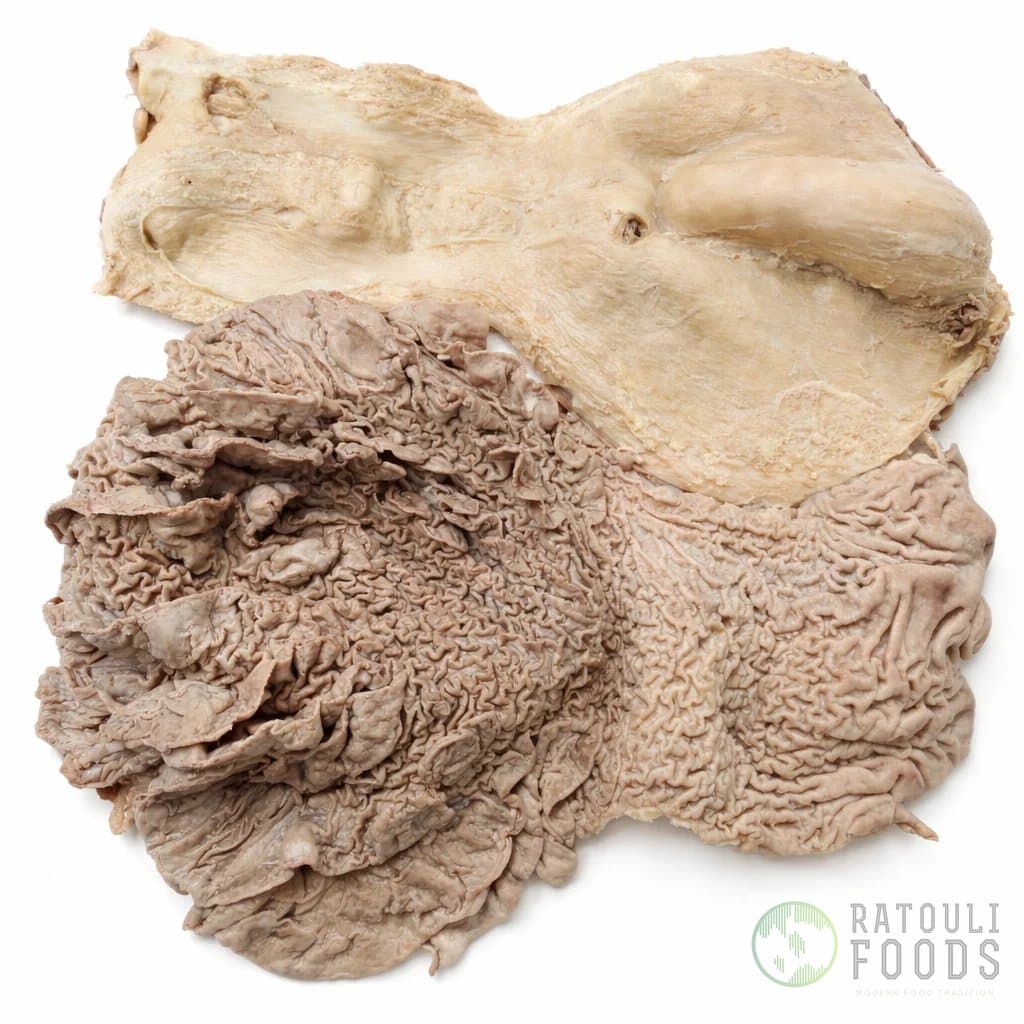
Cow offal carries a different name in every kitchen. Abodi is beef reed, the fourth stomach. Shaki is honeycomb tripe. Ponmo is cow skin. Roundabout is small intestine. The cuts are real and they are different from each other. Only the words change as you move from Yoruba to Igbo to Hausa to Ghanaian to Surinamese trade.
Why the same cut has five names
I have sold West-African and Surinamese offal out of Volendam for 14 years. The thing that causes the most trouble at a shop counter is not the meat. It is the word. A Yoruba customer asks for shaki. An Igbo customer points at the same tray and says afo. A Surinamese buyer calls it koe pens. And the new kid behind the counter freezes, because the freezer label says "honeycomb tripe".
The cow is the cow. One animal, one set of organs. What moves is the language and the local habit around which part gets eaten and how it gets cut. So this is a map. It lines up the nigerian offal names you hear most, puts them next to the Ghanaian and Surinamese terms, and ties each one back to one part of the animal that nobody can argue about. Get this right on your SKU labels and two things happen. Buyers stop arguing, and you stop handing a customer ponmo when they came in for shaki.
One rule before the table. Keep abodi shaki ponmo apart in your head. Three different parts of the cow, not three words for tripe. I come back to that below, because it is the mistake the trade makes over and over.
Sourcing for your store or wholesale?
Request a quote or browse the full catalogue.
The cow offal name map
Here is the lineup. Print it, tape it behind the counter, drop it into your SKU sheet. Each row is one cut, one part of the animal, with the names you actually hear across the diaspora. Brand and trade terms stay as they are written.
| The cut (English / trade) | Part of the cow | Yoruba | Igbo | Hausa | Ghanaian (Twi / Ga / market) | Surinamese / NL trade |
|---|---|---|---|---|---|---|
| Beef reed / reed tripe (Abodi) | Abomasum, the 4th and final stomach chamber | Abodi | Afo ehi (stomach) | Tumbi | Cow stomach / red red tripe | Lebmaag, runderlebmaag |
| Honeycomb tripe (Shaki) | Reticulum, the 2nd stomach chamber | Shaki, saki | Afo, akpan afo | Tumbi (tripe) | Tripe / honeycomb tripe | Koe pens, pens |
| Cow skin (Ponmo / Kpomo) | Hide / skin, no meat | Ponmo | Kpomo, kanda | Kanda, fata | Wele, welle | Koeienhuid, koe vel |
| Roundabout | Small intestine | Roundabout, ifun | Eriri afo / intestine | Hanji | Yenten / chinchinga gut | Koe darmen, darm |
| Cow foot | Lower leg and hoof | Bokoto | Ukwu ehi | Kafar saniya | Cow foot / nkrante | Koe poten, koepoot |
| Cow leg / shin | Upper leg, shank meat with bone | Ese malu | Ukwu | Kafa | Cow leg | Koe schenkel |
| Tongue | Tongue | Ahon | Ire ehi | Harshe | Cow tongue | Koe tong |
| Liver | Liver | Edo | Imeju | Hanta | Liver | Koe lever |
Spellings move around by region and by how a market trader writes them down. Treat the spelling as loose and the part of the cow as fixed. The cut is what you are actually selling.
Abodi vs shaki: both are stomach, and people still mix them
This is the pair that costs shops repeat customers, so it gets its own section. A cow has four stomach chambers. Two of them sit in your freezer under different names.
- Abodi is the abomasum, the fourth and final chamber. It is the only one that works like a human stomach, with acid and enzymes, which is why old butchers call it the true stomach. Trade names you will see: beef reed, reed tripe, reed crown when it is rolled into a ring, cow stomach, maw. The chew is smoother and a bit firmer than shaki, and it takes pepper and spice very well.
- Shaki is the reticulum, the second chamber, the honeycomb one. That webbed pattern is how you spot it on sight. Spongier than abodi, and it holds its shape through long cooking.
I will be straight about the trade, because pretending it is tidy helps nobody. The same beef reed gets labelled all sorts of ways across the diaspora. Beef reed, reed crown, cow stomach, sometimes loosely "beef intestine reeds", sometimes just mislabelled. The real definition is the abomasum, the beef reed. That is the wholesale standard I cut and pack to. If a label near you says something else, check the part of the cow, not the word. We keep separate, deeper guides on abodi and on shaki, and a full breakdown of all four chambers in the types of tripe guide.
Ponmo, roundabout and the rest of the assorted-meat pot
The other cuts get confused less often, but the label still matters. Here is the quick separation so nobody muddles up west african cow offal that has nothing in common except the pot it cooks in.
- Ponmo (kpomo) is cow skin. Hide, not tripe, not intestine. It cooks soft and gelatinous and soaks up flavour, which is why it goes into okra and ogbono. In Ghana the same skin is wele. In the Surinamese trade it is koeienhuid. If someone calls it a kind of tripe, correct them. It is skin. More in our ponmo guide.
- Roundabout is small intestine, cleaned and often coiled. Some traders sell it as "shaki roundabout" and the customer walks out thinking it is one cut. It is two. Shaki is the stomach wall. Roundabout is intestine. See the roundabout guide for the cleaning detail.
- Cow foot is the lower leg and hoof, all collagen and bone, the body of a pepper soup or a Surinamese soup. Yoruba bokoto, Ghanaian cow foot, koepoot in NL. Our cow feet guide covers it.
These are the types of cow offal that share an assorted-meat plate. The orisirisi in egusi, the mix in pepper soup, the spread on an ofada or ayamase plate, the protein in Igbo nkwobi. One pot, but four to six separate SKUs. Label them apart or your stock count and your customers both end up confused.
Sourcing offal you can label with confidence
A name map is only worth something if the product behind the label is actually what it says. That is the part I control. Ratouli Foods is a B2B West-African and Surinamese food wholesaler, 14 years out of Volendam, EU approved under NL208262EG, HACCP controlled, with a public NVWA inspection record. We deliver DAP, frozen at -18°C, across NL, BE, DE, FR, ES, IT and the UK.
For abodi we pack the abomasum, scalded, cleaned and cut, in 12 x 1 kg and 24 x 500 gram cases, so your freezer SKU and your counter label match the cut underneath. Same discipline runs across the full Shaki range and the rest of the offal line. When the label is right and the cut behind it is right, the rest is easy. Your staff stop guessing. Your buyers across the Nigerian, Ghanaian and Surinamese trade get exactly what they asked for. And the demand that spikes around the New Yam Festival in August, Eid and December does not turn into a counter full of returns. If you run a shop or a restaurant and want offal you can stand behind by name, that is what we supply.
Sourcing for your store or wholesale?
Request a quote or browse the full catalogue.