

Abodi in English is beef reed (the abomasum)
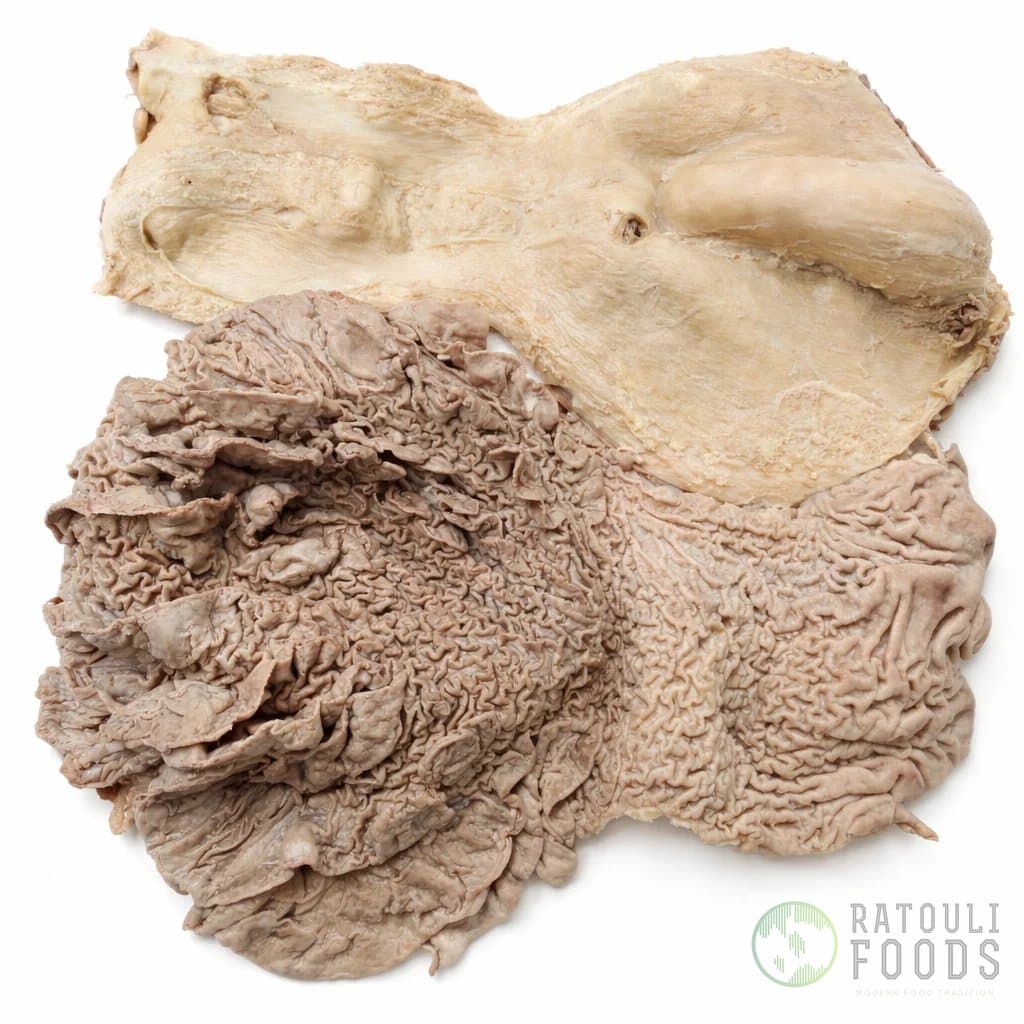
Abodi in English is beef reed, sometimes called reed tripe or cow stomach. It is the abomasum, the cow's fourth and last stomach chamber, and the only one that works like a human stomach with acid and rennin. It cooks down smoother than shaki and takes pepper very well.
The short answer: abodi is beef reed, the abomasum
Abodi is the Yoruba, Igbo and Hausa name for one specific cut of cow stomach. In English that cut is beef reed. The anatomical name is the abomasum, the fourth and last chamber of the cow's stomach. So when someone asks what part of the cow abodi is, the honest answer is short. It is one of the four stomachs, the true one.
A cow has four stomach chambers, and each gives a different tripe. The abomasum is the only chamber that works like a human stomach. It makes acid, pepsin and rennin to finish digestion, which is why butchers and old recipes call it the true stomach or the rennet stomach. That detail matters. The abodi name gets confused with the other three chambers all the time.
On texture, abodi gives a smoother, more even chew than the honeycomb tripe people know from shaki. It holds up in a long-cooked pot and soaks up pepper and spice the way a sponge soaks water. After 14 years selling this product across Europe, that is the line I give every buyer who has never cooked it. Long and slow, plenty of pepper, and it pays you back.
Sourcing for your store or wholesale?
Request a quote or browse the full catalogue.
Why so many people search for abodi in English
Most of the searches come from one situation. Someone grew up eating abodi at home, moved to the Netherlands, Germany, France or the UK, and now stands in front of a butcher or a webshop that never uses the word abodi. The shop says beef reed, or reed tripe, or just cow stomach. The cook has to match the two names before they can buy.
Then there is the recipe gap. A West-African recipe written in English calls for tripe, assorted meat or beef reed, and the cook back home knows that as abodi. So they search for the bridge between the two. Spelling adds to it. I see abody, abudi and abuddi typed into search all the time, all pointing at the same cut.
The last group is people checking what they already bought. The bag is labelled one way, the dish calls for another, and they want to be sure the thing in the freezer is the right thing. That doubt is fair. The trade is not consistent about naming, which is the next part.
The other English names you will see (and why they vary)
Here I have to be straight with you. The same product gets labelled several different ways in the diaspora trade. The proper definition is the abomasum, sold as beef reed. But on a packet or a price list you might see any of these:
- Beef reed (the standard trade name)
- Reed tripe
- Reed crown (the reed cut rolled into a ring)
- Cow reed
- Cow stomach
- Maw, or rennet-bag
You will also run into looser or plain wrong labels like "beef intestine reeds" on some imports. That one mixes up the reed with intestine, and it is a mislabel. I am not going to pretend the trade is tidy, because it is not. What stays fixed is the definition under the labels. Reed equals abomasum equals the fourth stomach. If a label uses any of the names above and the meat looks like reed tripe, you are looking at abodi.
Across Europe the butcher's word changes by country. Dutch calls it lebmaag. French uses caillette, from caille, meaning curdled. German says Labmagen, the rennet stomach, sometimes Kasemagen, the cheese stomach. Italian is abomaso, Spanish cuajar, Portuguese coalheira. If you buy local and the shop has no English, those are the words that get you the right chamber.
How abodi differs from shaki and ponmo
This is the part that trips most people, so here is a clean version. The four stomach chambers each give a named tripe, and only one of them is abodi.
| Local / English name | Cow part | What it is |
|---|---|---|
| Abodi (beef reed, reed tripe) | Abomasum, 4th stomach | The true stomach. Smooth, even chew. This is the one this page is about. |
| Shaki (honeycomb tripe) | Reticulum, 2nd stomach | The honeycomb-patterned chamber. Springier, more textured than reed. |
| Ponmo / kpomo | Cow skin | Not stomach at all. Skin, gelatinous when cooked. A different product entirely. |
| Roundabout | Small intestine | Also not tripe. The intestine, sold separately. |
So the quick rule. Abodi is reed, shaki is honeycomb, ponmo is skin, roundabout is intestine. People merge abodi and shaki because both are tripe and both go into the same assorted meat pot. They are not the same cut. Shaki has the honeycomb texture and more bite. Abodi is smoother and milder, and it carries pepper better. If you want the deeper detail on the honeycomb side, our shaki guide covers that chamber on its own.
Cooking abodi, and a note on where it sits in the world
Abodi belongs in the dishes most people already cook it in. Pepper soup, the Yoruba assorted meat plate (orisirisi), egusi, Igbo nkwobi, and ofada or ayamase stew. Cook it long and slow. In a mixed pot the tougher offal goes in first and the reed follows, because it softens to a clean, smooth bite. Pepper, onion, the usual base, and time. That is the whole trick.
One thing worth knowing. The abomasum is a respected delicacy far outside West Africa. In Florence the same chamber is lampredotto, the classic street-food sandwich, part of the offal tradition they call quinto quarto. The abomasum is also where rennet comes from, the enzyme used for thousands of years to turn milk into cheese. That is the reason it earned the name true stomach, or cheese stomach. So abodi is not scrap. It is a cut other food cultures pay good money for.
On nutrition, keep it honest. Cooked beef reed sits in the tripe range. Roughly 85 to 95 kcal per 100 grams, around 18 to 20 grams of complete protein with a high collagen share, well over a full day's B12, plus useful selenium and zinc. Lower in fat than most beef cuts. No health hype from me, just the numbers.
We sell abodi as a B2B wholesaler from Volendam, scalded, cleaned, cut and frozen at -18°C, in 12 x 1 kg and 24 x 500 gram cases. EU approval NL208262EG, HACCP, public NVWA inspection record, delivered DAP across NL, BE, DE, FR, ES, IT and the UK. If you run a shop or kitchen and want reed that arrives clean and ready, that is what we move every week.
Sourcing for your store or wholesale?
Request a quote or browse the full catalogue.
Related guides