

Heri heri with bakkeljauw: the oldest Surinamese dish on your plate
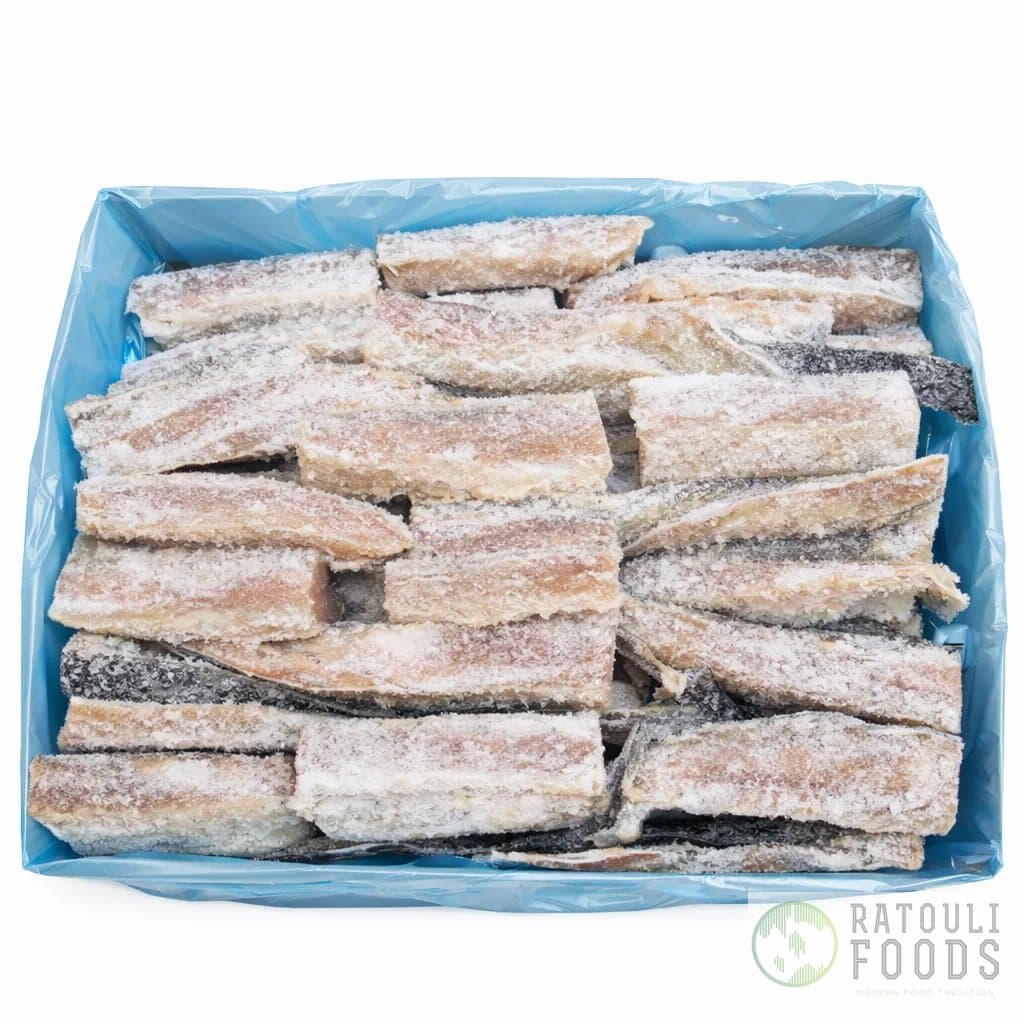
Heri heri is a Surinamese plate of boiled cassava, sweet potato and plantain, served with a boiled egg and bakkeljauw, salted white fish that you desalt first. It goes back to the plantation era and is now the traditional Keti Koti eten on July 1, the day that marks the end of slavery in Suriname.
What heri heri actually is
Heri heri is one of the oldest dishes the Surinamese kitchen still cooks the same way it always did. No reduced sauce, no garnish, no trick. You boil ground provisions and you serve them with fish. That is the whole dish, and that plainness is the point.
The plate has five parts:
- Cassava, peeled and boiled until a fork slides through clean
- Sweet potato, for the soft sweet edge against the fish
- Plantain (bakbanaan), boiled green or ripe, depending on the house
- A boiled egg, usually halved on top
- Bakkeljauw, desalted and flaked, sometimes stewed down with onion and tomato, sometimes left plain
Every family runs its own version. Some add a piece of salt meat. Some swap in tayer or a green banana. Some put a spoon of sambal on the side. The frame stays the same. Roots from the ground, fish from the salt barrel, egg for the protein. It fills you up and it keeps in the field, which is exactly why it exists.
Sourcing for your store or wholesale?
Request a quote or browse the full catalogue.
Where the dish comes from
Heri heri was born on the plantations. Enslaved people grew cassava, sweet potato and plantain on small plots, and the protein they were handed was salted fish. Salted fish kept without ice through the long voyage to Suriname, and through the heat once it landed. Bakkeljauw is heavily salted white fish, salted enough to last close to a year. That was not a flavor choice. It was the only way fish reached the colony at all.
So the plate is the ration plus the garden, cooked in one pot over one fire. People made it taste like home with what they could grow themselves. Over generations that necessity hardened into tradition, and the dish carried straight into the Surinamese-Dutch kitchen. Today there are around 365,000 people of Surinamese descent in the Netherlands, the largest Caribbean community in Europe, and heri heri is still a Sunday plate in plenty of those homes.
One detail deserves honesty, because it is the one most recipe blogs get wrong. Bakkeljauw is not salted cod, even though people call it that out of habit. Most diaspora-trade bakkeljauw is salted saithe (koolvis), with ling and tusk also in the mix, and modern saltfish is often pollock. Albert Heijn even labels its product "Bakkeljauw filet Alaska pollock" right on the pack. The cheaper species is part of the history here, not a downgrade. The plantation plate was built on the affordable salt fish of its day, and it still is.
Heri heri and Keti Koti on July 1
Keti Koti means "broken chains" in Sranantongo. It marks July 1, 1863, the abolition of slavery in Suriname, and it is the day heri heri stopped being only a home dish and became a public one.
On Keti Koti, heri heri is the eten. People cook it at home, share it at gatherings, and it turns up at the open commemorations across the country. In Amsterdam the Free Heri Heri initiative hands out more than 10,000 portions on July 1, free, to anyone who wants a plate. That is not a marketing number. It is thousands of people eating the same plantation dish on the same day, on purpose, to remember where it came from and not let that slip.
This is the real reason the dish matters beyond dinner. You eat it on July 1 and you are eating what people ate when they had almost nothing, on the day they were freed. Cassava, sweet potato, plantain, egg, bakkeljauw. The same five things. If you cook it this year to keep the tradition going in your own kitchen, you are doing the thing the day is for.
Desalting the bakkeljauw (the step that makes or breaks it)
If you get one thing right in this whole plate, make it the fish. Bakkeljauw comes out of the pack heavily salted, around 20 to 22 percent salt, and if you skip the desalting it is inedible. Salt on the tongue and nothing else. This step is called uitkoken, and there are two ways to do it.
The fast way (about 30 to 40 minutes): boil the fish in plenty of water for 15 to 20 minutes. Drain, taste a small flake, and if it is still too salty, boil it again in fresh water. Most pieces need two rounds.
The slow way (about a day): soak the fish in cold water for roughly 24 hours, changing the water every 3 to 4 hours. You get a softer texture and gentler control over the salt.
Either way, finish the same. Rinse cold, squeeze out the water, flake the fish with your fingers, and pick out every bone. Filet is near boneless, so the picking is quick. Whole or moten on the bone means you do the shredding and deboning yourself, and it costs less for the same fish. For heri heri, plain desalted flakes are traditional, though plenty of cooks stew the flakes down first with onion, garlic, tomato and a Maggi cube.
| Form | What it is | Best for |
|---|---|---|
| Filet | Near boneless, ready after desalting, the retail default | Quick cooking, less work |
| Heel / moten | Whole or chunks on the bone, cheaper, you shred and debone | Cooks who want value and don't mind the work |
| Migas | Small shredded boneless-skinless pieces, the economical format | Stews and fillings where shape doesn't matter |
Keep one thing straight. Bakkeljauw is salted fish (klipvis), not stokvis. Stokvis is air-dried and unsalted, a different product entirely. People sometimes call bakkeljauw "Surinaamse stokvis," but that name is wrong. If it was salted, it is bakkeljauw.
Cooking it at home, and where the fish fits in the rest of the kitchen
Cooking heri heri is mostly about timing the pot. Cassava takes longest, so it goes in first. Sweet potato and plantain need less time and turn to mush if you forget them, so add them later and test with a fork. Boil your eggs alongside. Desalt the bakkeljauw separately, as above, and either flake it plain or stew it down while the roots finish. Plate the roots, lay the fish and the halved egg on top, and put sambal on the side for anyone who wants heat.
A few honest notes from cooking this often:
- Buy a little more bakkeljauw than you think. It shrinks as it desalts, and people always reach for a second flake.
- Green plantain holds its shape, ripe plantain goes soft and sweet. Pick based on who is at the table.
- Taste the fish before you plate it, every time. Salt levels vary by batch, and one more rinse is cheaper than a ruined plate.
Once you have desalted bakkeljauw in the house, the same fish carries the rest of the Surinamese repertoire. Broodje bakkeljauw is the flagship: flakes stewed with onion, garlic, tomato, tomato puree, a Maggi cube and trassi, piled onto a Surinaamse witte puntje with zuurgoed and Madame Jeanette sambal. Telo, fried cassava with bakkeljauw, is the Surinamese answer to fish and chips. There is moksi alesi, and there are bakkeljauwballetjes. Learn the fish for heri heri and you already have half the kitchen in your hands.
That is what we sell it for. We are a family trading the salt fish our own people grew up on, and we name the species straight. Salted saithe and pollock, sometimes ling or tusk, never pretending it is cod. Cook the heri heri this July 1. Keep the plate going.
Sourcing for your store or wholesale?
Request a quote or browse the full catalogue.
Sourcing or reselling salted fish? Our sister company Ratouli Seafood handles the trade side.