
Real picanha vs padded picanha: how to spec the cut
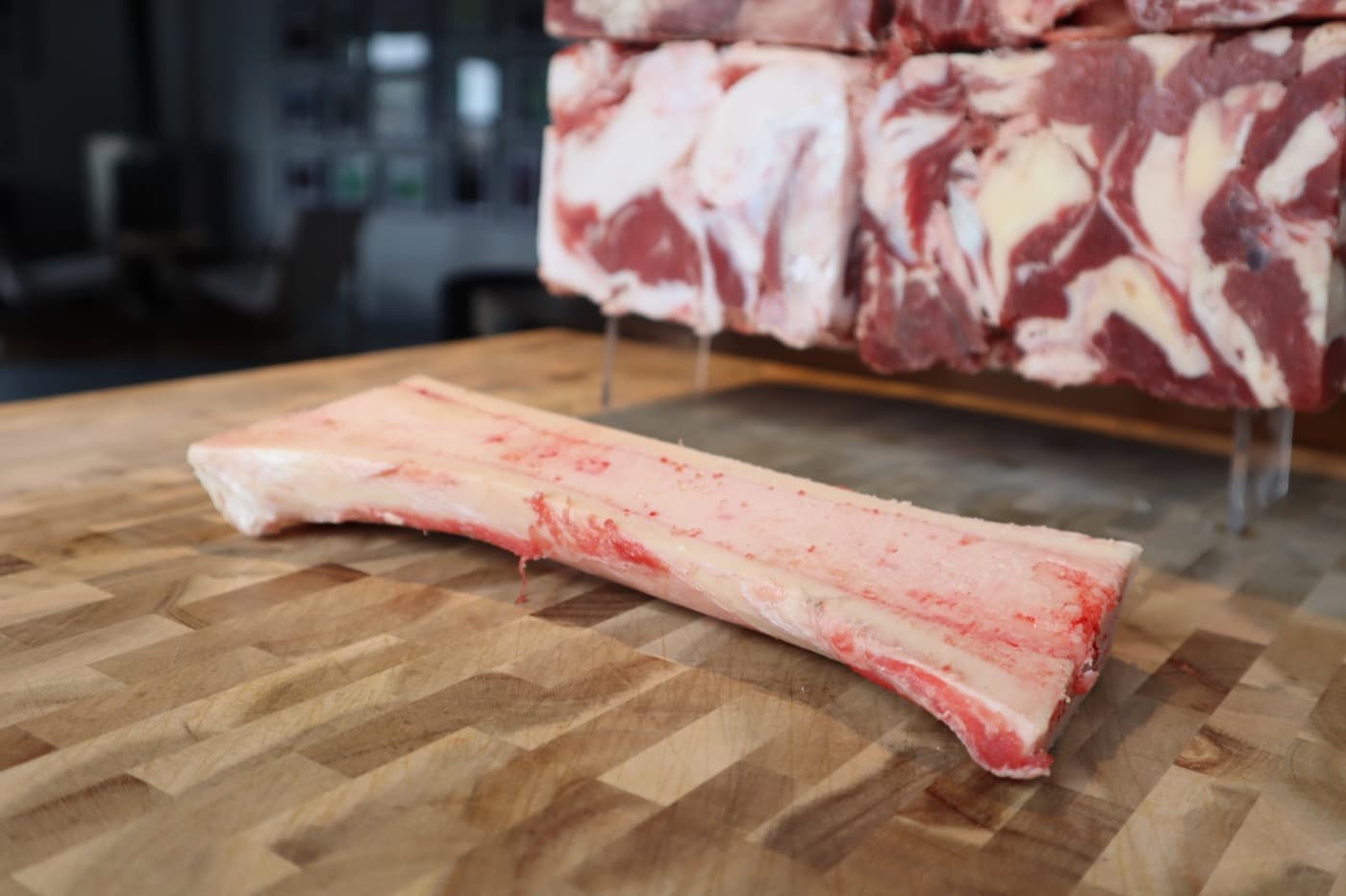
Picanha photographs well, it looks generous on a pallet, and a heavy piece reads as a deal. It usually isn't. A heavy picanha is rarely all picanha. This is a sourcing note on how to spec the cut so you pay for the cap and not for the muscle stuck next to it.
What picanha actually is
One muscle. The triangular tail end of the biceps femoris, sitting on top of the rump, fat cap left on. The Dutch trade name is staartstuk, and you will see picanha and staartstuk printed next to each other on the same listing. The cap is the whole reason the cut exists. Scored and left on, it renders over the fire and bastes the meat while it cooks. Strip it off and you are holding a plain rump steak. Leave it on and you have what a churrasco cook or a diaspora buyer asks for by name.
Sourcing for your store or wholesale?
Request a quote or browse the full catalogue.
The honest weight band: 1.0 to 1.5 kg
The real muscle is small. The trade puts it at roughly 1.0 to 1.5 kg a piece, and that figure holds up across sources because it is the actual size of the muscle, not a marketing range. A piece that lands in that band, true cap only, is almost certainly picanha and nothing else.
Run much past 1.5 kg and you have to ask what got added to make the weight. Nine times out of ten it is the muscle next door.
Where the padding comes from: coxao duro / silverside
The picanha sits right against the coxao duro, the bottom round, which the British and Dutch trade calls silverside. Cut the piece heavy and part of that silverside comes along for the ride. It is a different muscle, tougher, and cheaper. It pads the weight, and it pads the margin of whoever cut it. It is not picanha. So your 2 kg picanha is often a 1.2 kg cap with 0.8 kg of silverside hanging off it, billed at picanha money.
Why a heavy piece comes back as a complaint
The grill exposes it. Two muscles, different grain, different tenderness, so a heavy piece cooks unevenly. Half of it is tender. The other half is tough and chewy. The customer feels it on the plate, the toko or the butcher hears about it, and the complaint works its way back up the chain to you. You paid extra for the weight, then paid again in returns and a buyer who doesn't reorder. A tight single-muscle piece cooks even and never starts that conversation.
The other trap: a scalped cap
There is a mistake that runs the other way. Left to their own habits, a lot of British and Dutch butchers break the rump cap down into lean rump steaks and trim most of the fat off. For a churrasco or diaspora buyer that is exactly wrong. Put whole muscle, fat-cap-on in writing on the order, or you will get back a trimmed lean piece.
Fat-cap-on does not mean leave everything either. Dutch BBQ and butcher guidance settles around a 0.5 cm cap after dressing, scored crosswise. Enough to baste and render, not so much that you are selling your customer an inch of waste fat by the kilo. So fix the cap thickness too, or fat-cap-on drifts into either a scalped piece or a slab of trim.
What to put on the purchase spec
The spec that holds up is short and it shuts both traps at once:
- Piece weight: 1.0 to 1.5 kg, tight band
- True cap only, silverside (coxao duro) removed
- Whole muscle, fat-cap-on, not broken into steaks
- Fat cap dressed to about 0.5 cm, scored crosswise
- Vacuum-packed
Spec it like that and a heavy piece can't arrive padded, and a lean piece can't arrive scalped. That is the whole job. We cut and pack picanha to this spec for the trade, vacuum-packed, DAP delivery across the EU and UK from around one pallet. You will find it under beef in the catalogus, and we will send a sample weight breakdown before you commit to a first order.
Sourcing for your store or wholesale?
Request a quote or browse the full catalogue.