
Sizing your order: MOQ, pallet maths and DAP delivery for tokos and butchers
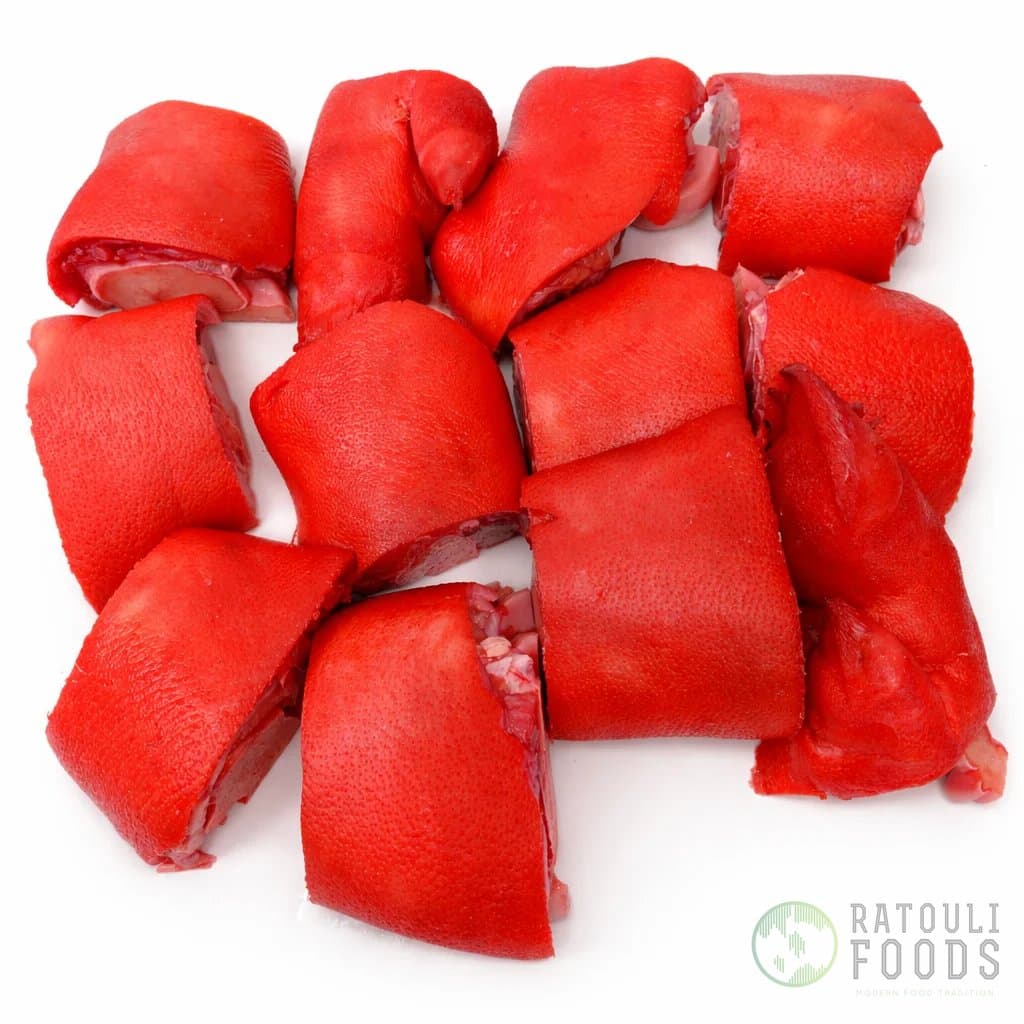
Most buyers who call about salted pig feet do not start with the product. They want to know how much they have to take, and where it lands. Fair question. A toko with one chest freezer is not working with the same numbers as a national wholesaler, and the order has to fit the freezer you actually own. Here is how it works on gezouten varkenspoten, and how a first order comes together without anyone shipping a container.
DAP from roughly one pallet
We deliver DAP, delivered at place, from about one pallet. That pulls the floor low enough for a small buyer to get in. No full truck, no container load to start. One pallet to your door, unloaded where you trade, freight already in the price you agree up front. For a single toko or one butcher, a pallet is usually the right size to test the salted-foot line and still sell through before it sits too long in the freezer.
Sourcing for your store or wholesale?
Request a quote or browse the full catalogue.
Carton weights and what fits a freezer
Frozen salted pig feet ship in cartons of around 10 kg, with 20 kg also available. Poly-lined boxes, several pieces per carton. The carton weight is the part that does real work for you. It tells you how many boxes go into the freezer space you have, and it lets you build a first order you can actually hold at minus 18.
Ask for the cartons-per-pallet figure on the line you want and you can plan backwards from your freezer instead of guessing. Once you know the carton kg and the count per pallet, you size the order to the room you have, not the other way around.
Mixing a pallet with other diaspora lines
You do not have to fill a whole pallet with feet. If a pallet of salted pig feet is more than you move in a season, put it on a mixed pallet next to other lines the same shoppers buy: zoutvlees, pig tail, spareribs. The freight per kilo spreads across the mix, so your delivery cost per box stays sensible even when no single line fills a pallet on its own.
The salted-foot line runs on the same recipes and the same desalting routine as zoutvlees, so it cross-sells to any buyer already moving salt beef. If your shelf already turns zoutvlees, feet sit right next to it and the customer has nothing new to learn. You can see the full range of salted and frozen lines on the Ratouli Foods catalog and decide what to load alongside the feet.
Cold chain, paperwork and traceability
The chain holds at minus 18 from our floor to yours, and we put the delivery temperature in writing. That is not a courtesy line. It is what keeps a salted, frozen product right when it reaches your freezer.
Every delivery travels with EU approval NL208262EG, HACCP, and batch and lot traceability. If you are reselling to other tokos or running a butcher counter, that is the paperwork your own checks and your customers expect to see.
Lead times and sourcing
Sourcing frozen feet inside the Netherlands and from nearby EU plants is straightforward, because the Netherlands moves a lot of pork by-products for export. Supply stays steady and lead times stay short next to lines that have to come from further out. When you place a first order, ask for the current lead time on the carton weight you want, so your freezer space and your delivery day line up.
How a small toko hits a workable first order
Put it together and a workable first order looks like this. Pick the carton weight that suits your freezer, 10 kg or 20 kg. Decide whether a pallet of feet sells through in your season, or whether you mix it with zoutvlees, pig tail and spareribs. Confirm the cartons per pallet so the order fits your cold space. Lock the DAP price and the delivery temperature in writing. Then place it. After that you reorder on what actually sold, and the second order sizes itself.
Sourcing for your store or wholesale?
Request a quote or browse the full catalogue.