
One picanha, three diaspora tables: how the rump cap sells across communities
One whole beef cut lands on three different tables. Picanha, the rump cap, sells to a Surinamese griller, an Antillean home cook, and a West-African restaurant owner from the same case, the same SKU, the same vacuum pack. For a wholesaler stocking diaspora accounts, that is rare. Most cuts pick one community and stop there. This one earns its space across all of them, and pulls in the mainstream BBQ trade on top. Below is how each buyer uses it, how they want it cut, and why one SKU keeps turning over.
Why picanha fits the diaspora grill
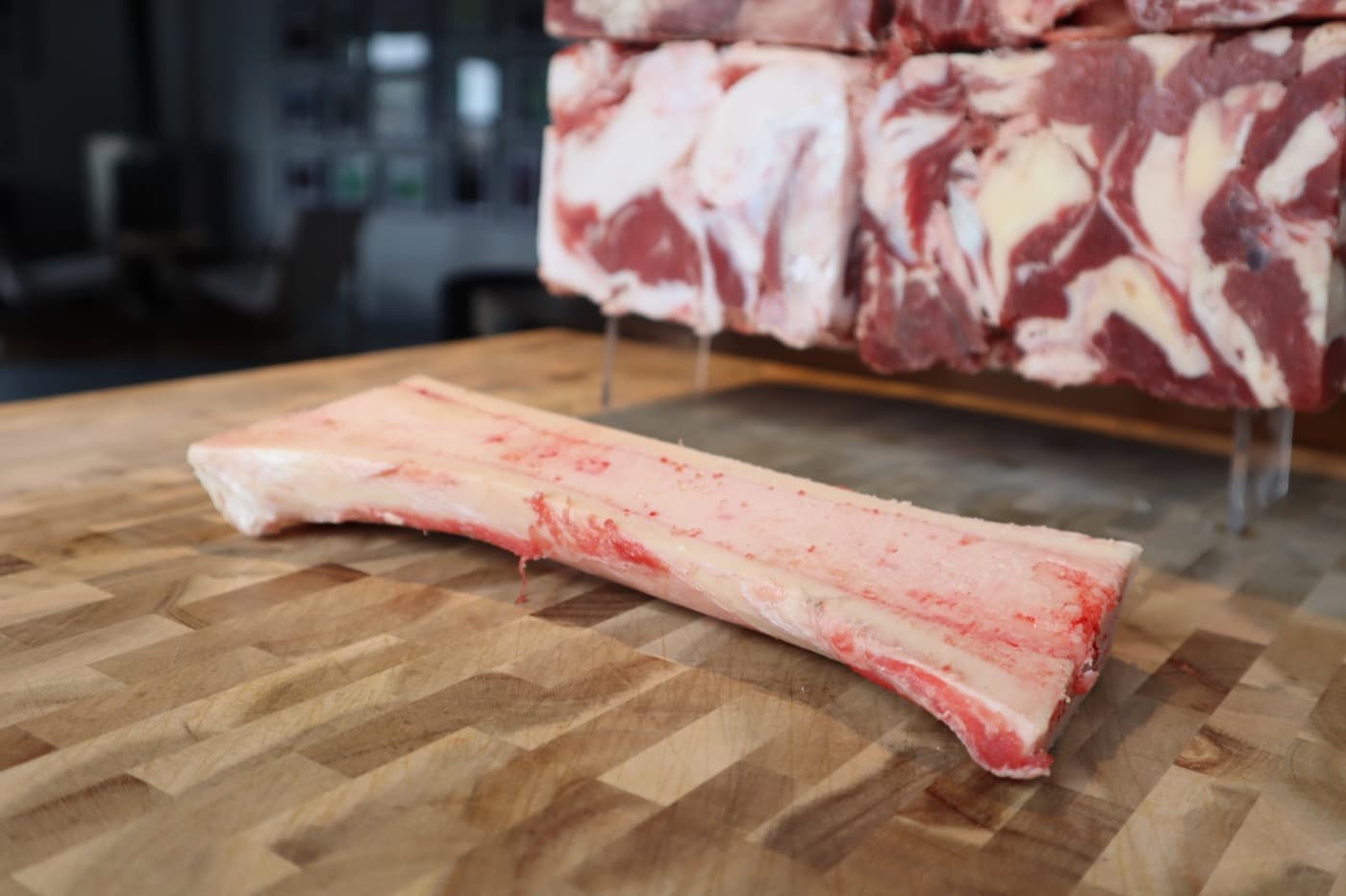
Picanha is the triangular cap on top of the rump, with a thick layer of fat left on. That fat cap is the whole point. It renders over fire, bastes the meat as it cooks, and lets the cut take hard heat and heavy seasoning without going dry. Every grilling culture below wants the same physical thing: a clean trim, fat cap on, the right size, roughly 1.0 to 1.5 kg, vacuum-packed so the buyer or their customer can score it and cook it whole.
The Netherlands is the centre of gravity for the Surinamese and Antillean trade, with solid volume into Belgium as well. Surinamese and Antillean grillers already know the term staartstuk. You are not introducing a new product to them. You are handing them a clean, consistent version of a cut they cook every weekend the sun shows up.
Sourcing for your store or wholesale?
Request a quote or browse the full catalogue.
The Surinamese and Antillean BBQ table
Surinaamse bbq is charcoal-led. The marinade runs on garlic, onion, soy and Madame Jeanette, and the meat goes on low and slow over coals. No quick sear and pull. A fat-cap beef piece drops straight into that routine. Grillers will often slice it into thick steaks across the grain, marinate, then grill, or cook the whole piece and carve it down after. Either way the fat cap does the work.
Antillean and Curacao cooking carries its own marinated-beef tradition, the lomito and bavette style, where beef is seasoned, left to rest in marinade, and grilled. Picanha fits that habit. For your toko and butcher accounts serving these communities, this is repeat weekend volume right through the grilling season, and they already say staartstuk without you teaching them the word.
Suya and the West-African account
For West-African buyers across NL, the UK, France, Belgium and Germany, the anchor grilled-beef dish is suya. It is a Hausa and Nigerian dry-rub preparation: thin beef coated in yaji, the peanut-based spice mix built from kuli-kuli, chili, ginger and the rest. Suya needs a tender cut that holds a dry rub and cooks fast.
Picanha works here because the cap is tender and the fat carries the spice. A restaurant or a celebration cook slices it thin across the grain, rubs it with yaji, and grills it hot. So the same SKU that feeds the Surinamese grill becomes the base for a suya plate or a weekend braai. The cut crosses the aisle and you carry no second line to make it happen.
The churrasco and mainstream BBQ pull
Picanha is a churrasco staple too, for the Brazilian and Portuguese-speaking communities across the EU and UK. The classic version: score the fat cap, pack it in coarse salt, grill or roast the whole piece, then slice across the grain. The C-shape skewer, where the strip is bent into a C and threaded onto the spit, is the signature.
This is where picanha stands apart. It is a deep diaspora cut and a mainstream steakhouse and kamado trend cut at once. The same item sells into general butchers and horeca chasing the picanha-spies trend. The diaspora grill base gives you loyal repeat volume across the year. The mainstream BBQ side adds extra demand and price support on top of it. That mix is what makes one SKU worth its shelf space.
One SKU, one format
The practical takeaway for a buyer: you do not need three products. You need one well-cut piece. The standard trade format is the whole rump cap, fat cap on, vacuum-packed, around 1.0 to 1.5 kg. From there the Surinamese griller, the Antillean cook, the suya kitchen and the churrasco house each cut and season it their own way. Your job is consistent trim and consistent weight.
We ship picanha DAP from roughly one pallet across the EU and UK, out of our EU-approved facility (NL208262EG) under HACCP. To order picanha at wholesale, the full beef line is on our beef catalogue page. If you already run Surinamese, Antillean or West-African accounts, this is one of the easier cross-community SKUs to add.
Sourcing for your store or wholesale?
Request a quote or browse the full catalogue.