

Reading a Frozen Pork Rib Spec Sheet: Glaze, IQF and Yield
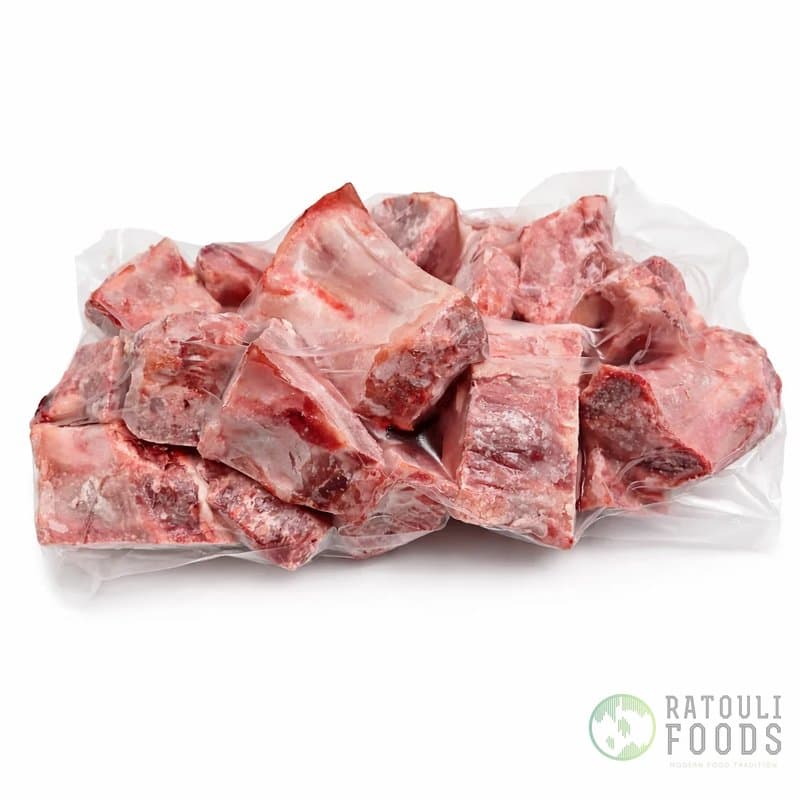
A frozen rib carton is only as good as the spec behind it. Two pallets can both say 'pork spareribs, 10 kg box' on the label and still cost you very different money per kilo of meat that actually reaches the plate. The gap hides in the glaze, the freezing method, the membrane, and how the racks were cut. Read the sheet before you sign for the carton.
Glaze: the water you pay for
Glaze is the thin skin of ice added to frozen product. A little of it protects the surface from freezer burn, and that is fine. Too much, left undeclared, and you are buying water at meat prices. Sell a carton gross with a heavy glaze and your real cost per kilo of meat is higher than the quote reads. Your yield drops the second it thaws.
So ask one thing. Is the weight net meat or gross with glaze, and what is the declared glaze figure. An honest supplier tells you without being chased. We quote net meat where we can, so the number on the order is the number you portion from. When you put two offers side by side, get them onto the same basis first. A lower headline price on a high-glaze carton is usually the dearer pallet once it hits the cutting board.
Sourcing for your store or wholesale?
Request a quote or browse the full catalogue.
IQF versus block frozen
Buyers ask about two freezing standards. Both are blast frozen down to a core of -18C. What changes is how the racks sit in the carton.
IQF, individually quick frozen, freezes each rack on its own so they stay loose. The kitchen pulls three racks for Friday service and the rest stay solid in the freezer. Block frozen, sometimes called interleaved, sets the racks together in one mass. It costs less to produce. The catch is the thaw, because it is all or nothing. You defrost the whole block or you defrost none of it. A butcher counter or a restaurant working small batches gets the IQF premium back in waste it never throws out. A stew kitchen that runs a full block in one go is often better off on block frozen. Match the format to how the product gets used, not to the cheapest line on the quote.
Membrane on or peeled
On the bone side of every rack sits the silverskin membrane. It is elastin. Cooking does not break it down. It stays tough and it keeps marinade off the meat. Peel it and the rub and the smoke get in. Leave it and they just sit on the surface.
St. Louis racks usually turn up already trimmed of it. Full spares often do not. Neither one is wrong. But it changes prep time and it changes how the meat takes a marinade, so it belongs on the spec. If the sheet says nothing about the membrane, ask. A counter selling racks ready-marinated wants it peeled. A kitchen that strips it in house probably does not care either way.
What a complete rib spec line looks like
'Pork ribs' on a quote is how disputes start. A line you can actually buy against spells out all of it:
- Cut: full spare rib (416) or St. Louis (416A)
- Breastbone on or off
- Rib count per rack
- Per-rack weight band
- Racks per carton
- Membrane peeled or left on
- Net meat weight, with declared glaze if sold gross
Weight uniformity matters more to some buyers than others. A counter selling by the rack wants a tight weight band so every rack rings up the same. A stew kitchen cutting everything down barely cares. Tell your supplier which one you are and the spec gets built to fit.
Cold chain and the paperwork
The chain stays unbroken at -18C from our freezer to yours. Ask how the product behaves on thaw and how much it drips, and ask whether it was previously frozen. A straight answer beats a refreezing claim nobody can stand behind. If a number cannot be backed on paper, treat it as marketing, not spec.
On the documents, our spareribs ship under EU approval NL208262EG with HACCP and batch traceability, so the carton in your hand maps back to a batch. That answers the inspection question before anyone asks it. Our pork spareribs and small cuts, with full specs and pack sizes, sit on the pork catalogue page. We deliver DAP from roughly one pallet across the EU and UK.
Read the sheet before the truck is loaded, not after the returns come back. The carton rarely lies. The label sometimes does.
Sourcing for your store or wholesale?
Request a quote or browse the full catalogue.