

Caribbean jerk and brown-stew pork ribs: supplying the UK trade
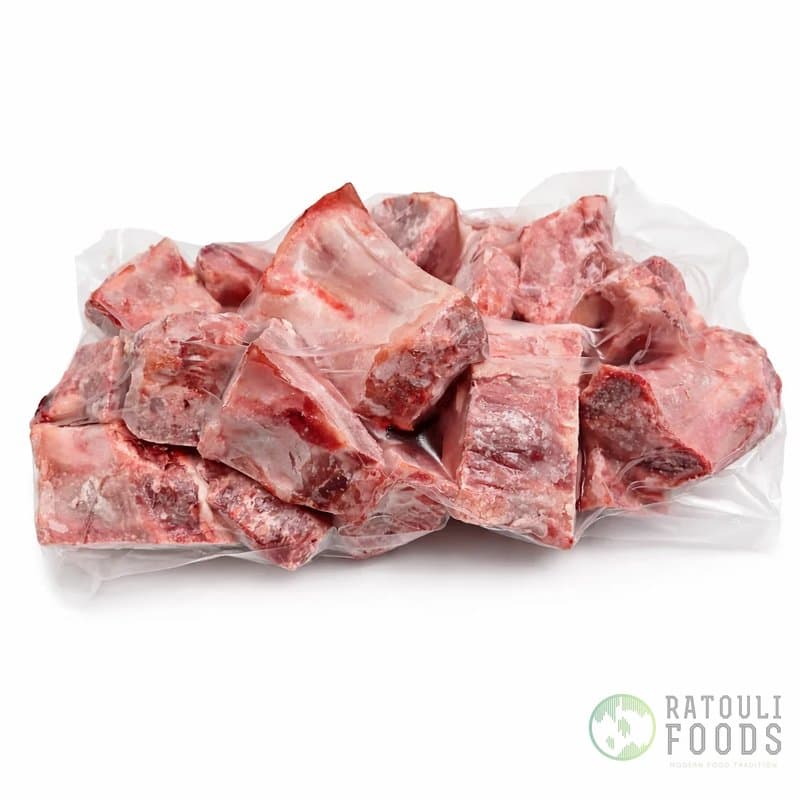
If you sell pork into Caribbean kitchens in the UK, ribs move. Jamaican and other Caribbean households in London and Birmingham buy them by the case, and the grocers, butchers and takeaways serving those households need a frozen supply they can reorder without drama. Here is what the buyer is actually after, why the cut matters, and how the cold chain holds up when ribs cross the Channel a pallet at a time.
Who buys Caribbean ribs in the UK
The Jamaican and wider Caribbean community is the main pork-rib audience in Britain, and it sits in the big cities. London first, Birmingham next, then the other urban centres. That demand comes through three kinds of buyer:
- Caribbean grocers stocking the freezer aisle.
- Butchers cutting and packing for local trade.
- Takeaways putting ribs on the menu week in, week out.
None of them buy fresh by the rib. They buy frozen by the case, because frozen holds and the volume pays for itself.
Sourcing for your store or wholesale?
Request a quote or browse the full catalogue.
Jerk and brown-stew ribs both want fat
Two treatments cover most of it. Jerk ribs take a wet or dry rub built on scotch bonnet, allspice (pimento), thyme and spring onion, cooked slow and finished over heat. Brown-stew ribs get browned first, then braised down in their own sauce. Two methods, one requirement: a fattier rib.
That is where the cut gets decided. Jerk and brown-stew cooking both run long and low, and they forgive a lot, so they lean on full spare ribs instead of lean baby back. The fat and collagen in a spare rib carry that long cook. They render, keep the meat moist, and give the sauce something to hang on. Lean baby back tightens up and dries out before the flavour has set. For a Caribbean buyer the spare rib is not the cheaper choice. It is the right one.
Frozen is the trade, not a compromise
Frozen pork is the largest single EU pork export category by volume, and ribs show why. They travel and store well at -18C, blast-frozen or IQF, and lose nothing in the pot or on the grill. For cross-border wholesale that is the whole point. A fresh rib has a clock running from the moment it is cut. A frozen rib buys a UK grocer or takeaway weeks of planning room and lets one delivery cover a real run of trade.
Our spareribs ship frozen in 10 kg boxes. Small-cut spareribs come in the same box size for buyers who want them broken down ready for the pot. Pack specs are on the pork catalogue page.
Getting ribs into London and Birmingham at pallet scale
Run properly, the cold chain into the UK is simple. Product stays at -18C from our cold store through transit to the buyer's freezer, on a temperature-controlled vehicle, with the lot documented per delivery. Nothing thaws on the road, nothing gets re-frozen.
The real problem for most UK buyers is not temperature, it is order size. The big processors set container-load minimums, often 15 to 30 tonnes. That works for a national distributor and is dead on arrival for one Caribbean grocer or one takeaway. We deliver DAP from roughly one pallet. So a single shop can take frozen ribs at a quantity that fits its freezer, hold them, and reorder when stock runs low, instead of being pushed into tonnage it will never turn over.
The paperwork that lets a buyer trust the box
Cross-border meat needs a paper trail or it has no business on the truck. We run under EU approval number NL208262EG and a HACCP plan, with batch and lot traceability on every delivery. For a UK buyer that is the part that counts: a documented chain from approved processing to the box in front of them, so the product clears, stocks and sells with no question mark over it.
Sourcing for your store or wholesale?
Request a quote or browse the full catalogue.